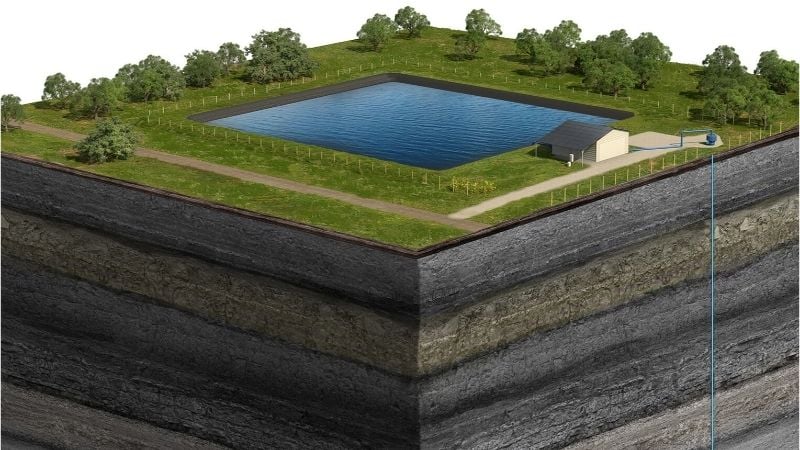
The Future of Energy Storage: Gridscale Energy Storage
In the quest for a more sustainable and reliable energy system, gridscale energy storage has emerged as a key technology with the potential to revolutionise the way we generate and consume electricity. By storing excess energy when production exceeds demand and releasing it when needed, gridscale energy storage systems play a crucial role in balancing the grid and integrating renewable energy sources into our power supply.
Why Gridscale Energy Storage Matters
One of the main challenges facing the transition to a renewable energy future is the intermittent nature of sources such as solar and wind power. The sun doesn’t always shine, and the wind doesn’t always blow, which can lead to fluctuations in energy supply that are difficult to manage with traditional power plants. Gridscale energy storage offers a solution by providing a buffer that can store surplus energy during peak production periods and discharge it during times of high demand or low generation.
The Technologies Behind Gridscale Energy Storage
Gridscale energy storage encompasses a variety of technologies, each with its own strengths and applications. These include:
- Battery Storage: Lithium-ion batteries are commonly used for gridscale applications due to their high efficiency and fast response times.
- Pumped Hydro: This technology involves pumping water uphill during off-peak hours and releasing it through turbines to generate electricity when needed.
- Flywheels: Flywheel systems store kinetic energy in a spinning rotor and can respond quickly to fluctuations in demand.
- Thermal Storage: Thermal storage systems use materials like molten salt to store heat generated from solar or other sources for later use.
The Benefits of Gridscale Energy Storage
Gridscale energy storage offers a range of benefits that are essential for building a more flexible, efficient, and sustainable electricity grid. These include:
- Grid Stability: By smoothing out fluctuations in supply and demand, gridscale storage helps maintain grid stability and reliability.
- Renewable Integration: By enabling better integration of renewable energy sources, gridscale storage accelerates the transition to a cleaner power system.
- Economic Savings: Energy storage can reduce peak demand charges, optimise asset utilisation, and provide ancillary services that contribute to cost savings for utilities and consumers.
- Emissions Reduction: By reducing the need for fossil fuel-based peaker plants, gridscale storage helps lower greenhouse gas emissions associated with electricity generation.
The Future Outlook
The future of gridscale energy storage looks promising as advancements in technology continue to drive down costs, increase efficiency, and expand deployment opportunities. As governments around the world set ambitious targets for decarbonisation and renewable energy adoption, gridscale storage will play an increasingly vital role in shaping the grid of tomorrow. With ongoing research and innovation, we can expect gridscale energy storage to become an indispensable tool for building a cleaner, more resilient energy system for generations to come.
Exploring Gridscale Energy Storage: Promising Technologies, Efficiency, and Limitations
- What is the most promising energy storage?
- Can you store energy from the grid?
- How efficient is grid scale battery storage?
- What are the disadvantages of grid level energy storage systems?
What is the most promising energy storage?
When it comes to the question of what is the most promising energy storage technology, gridscale energy storage stands out as a frontrunner. With its ability to store large quantities of energy from renewable sources and release it when needed, gridscale storage offers a versatile solution for balancing the grid and integrating variable renewables like solar and wind power. The diverse range of technologies used in gridscale storage, such as battery systems, pumped hydro, flywheels, and thermal storage, provide flexibility and reliability in managing energy supply and demand. As advancements in these technologies continue to drive down costs and improve efficiency, gridscale energy storage holds great promise in shaping a more sustainable and resilient energy future.
Can you store energy from the grid?
One frequently asked question regarding gridscale energy storage is whether it is possible to store energy from the grid. The answer is yes, gridscale energy storage systems are designed to store excess energy generated by the grid during periods of low demand or high renewable energy production. By storing this surplus energy, gridscale storage facilities can release it back into the grid when needed, helping to balance supply and demand and improve overall grid stability. This capability not only enhances the efficiency of the grid but also facilitates the integration of renewable energy sources, making gridscale energy storage a valuable asset in our transition towards a more sustainable and resilient energy system.
How efficient is grid scale battery storage?
Gridscale battery storage systems are known for their high efficiency levels, making them a valuable asset in the energy landscape. The efficiency of grid-scale battery storage refers to how effectively the system can store and discharge energy without significant losses. Typically, modern grid-scale battery technologies, such as lithium-ion batteries, boast efficiencies of around 85-95%, meaning that they can convert stored energy back into electricity with minimal wastage. This high efficiency not only helps to maximise the value of stored energy but also contributes to grid stability and reliability by ensuring that stored power is readily available when needed.
What are the disadvantages of grid level energy storage systems?
Gridscale energy storage systems offer numerous benefits for enhancing grid stability and integrating renewable energy sources, but they are not without their drawbacks. One disadvantage of grid-level energy storage systems is the initial high capital costs involved in deploying these technologies. Building and implementing large-scale storage facilities can require significant investment, which may pose a financial barrier for some utilities and operators. Additionally, certain storage technologies may have limited efficiency or energy loss during the charging and discharging processes, reducing overall system effectiveness. Furthermore, the environmental impact of manufacturing and disposing of storage components should be considered to ensure that the benefits of grid-level energy storage outweigh any negative consequences. Despite these challenges, ongoing research and development efforts aim to address these limitations and improve the performance and cost-effectiveness of gridscale energy storage systems in the future.