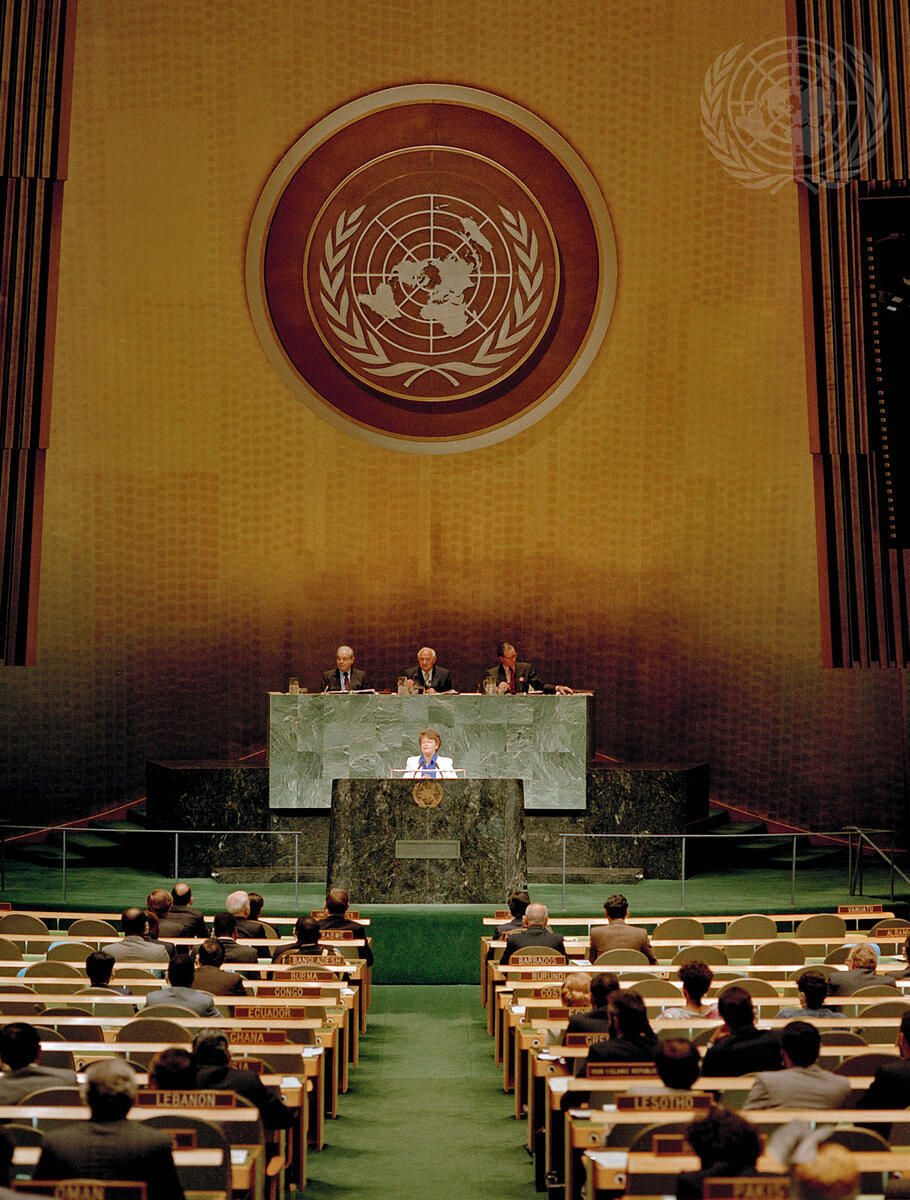
The Brundtland Commission and Sustainable Development
The Brundtland Commission, formally known as the World Commission on Environment and Development, was established by the United Nations in 1983. Chaired by Gro Harlem Brundtland, the former Prime Minister of Norway, the commission was tasked with examining urgent global environmental issues and formulating sustainable development policies.
One of the key contributions of the Brundtland Commission was its definition of sustainable development. In its landmark report titled “Our Common Future,” released in 1987, the commission defined sustainable development as “development that meets the needs of the present without compromising the ability of future generations to meet their own needs.”
This definition highlighted the interconnectedness of environmental, social, and economic aspects of development. The Brundtland Commission emphasised that sustainable development requires a balance between economic growth, social equity, and environmental protection to ensure a better quality of life for all.
Furthermore, the commission identified unsustainable patterns of consumption and production as major challenges to achieving sustainable development. It called for a shift towards more efficient resource use, cleaner technologies, and greater equity in wealth distribution to promote sustainability.
The legacy of the Brundtland Commission lives on in global sustainability efforts today. Its work laid the foundation for international agreements such as the Rio Declaration on Environment and Development and the United Nations Sustainable Development Goals (SDGs), which continue to guide countries towards a more sustainable future.
In conclusion, the Brundtland Commission played a pivotal role in raising awareness about sustainable development and shaping global policies to address pressing environmental challenges. Its vision of balancing economic progress with social well-being and environmental stewardship remains as relevant today as it was over three decades ago.
Key Contributions of the Brundtland Commission to Sustainable Development: A Comprehensive Overview
- 1. Defined the concept of sustainable development, emphasising the need to meet present needs without compromising future generations.
- 2. Raised global awareness about the interconnectedness of environmental, social, and economic issues in development.
- 3. Advocated for a balanced approach to economic growth, social equity, and environmental protection for long-term sustainability.
- 4. Highlighted unsustainable consumption and production patterns as key challenges to be addressed for sustainable development.
- 5. Called for a shift towards more efficient resource use and cleaner technologies to promote sustainability.
- 6. Emphasised the importance of equitable wealth distribution in achieving sustainable development goals.
- 7. Laid the foundation for international agreements such as the Rio Declaration on Environment and Development.
- 8. Contributed to the formulation of the United Nations Sustainable Development Goals (SDGs) that guide global sustainability efforts.
Criticisms of the Brundtland Commission’s Approach to Sustainable Development: Vagueness, Idealism, and Implementation Challenges
- Critics argue that the Brundtland Commission’s definition of sustainable development is vague and open to interpretation, making it challenging to implement concrete policies.
- Some detractors believe that the commission’s focus on achieving a balance between economic growth, social equity, and environmental protection is overly idealistic and unrealistic in practice.
- There are concerns that the recommendations put forth by the Brundtland Commission have not been effectively enforced or adopted by governments worldwide, leading to slow progress in addressing global sustainability issues.
1. Defined the concept of sustainable development, emphasising the need to meet present needs without compromising future generations.
The Brundtland Commission’s significant contribution to sustainable development lies in its clear definition of the concept, highlighting the imperative to address present needs without jeopardising the ability of future generations to meet their own. By emphasising this crucial principle, the commission underscored the importance of balancing economic growth, social equity, and environmental preservation in development strategies. This foundational idea continues to guide global efforts towards a more sustainable and equitable future, ensuring that progress today does not come at the expense of tomorrow.
2. Raised global awareness about the interconnectedness of environmental, social, and economic issues in development.
The Brundtland Commission made a significant impact by raising global awareness about the interconnectedness of environmental, social, and economic issues in development. By highlighting the importance of balancing these three aspects, the commission shed light on the complex relationships between human well-being, environmental sustainability, and economic growth. This proactive approach helped to shift the focus towards a more holistic understanding of sustainable development, encouraging policymakers and stakeholders to consider the long-term implications of their decisions on both present and future generations.
3. Advocated for a balanced approach to economic growth, social equity, and environmental protection for long-term sustainability.
The Brundtland Commission advocated for a balanced approach to economic growth, social equity, and environmental protection as a fundamental pro of sustainable development. By emphasising the importance of considering these three pillars in tandem, the commission highlighted the interconnectedness of economic prosperity, social well-being, and environmental preservation for long-term sustainability. This integrated approach ensures that development initiatives not only meet present needs but also safeguard the resources and opportunities for future generations, fostering a more equitable and resilient society in the process.
4. Highlighted unsustainable consumption and production patterns as key challenges to be addressed for sustainable development.
One significant pro of the Brundtland Commission’s approach to sustainable development was its emphasis on highlighting unsustainable consumption and production patterns as key challenges that needed to be addressed. By drawing attention to the detrimental impact of these patterns on the environment and society, the commission paved the way for a more holistic understanding of sustainable development. Recognising the need for more efficient resource use, cleaner technologies, and greater equity in wealth distribution, the commission underscored the importance of transforming these patterns to achieve a more sustainable future for all.
5. Called for a shift towards more efficient resource use and cleaner technologies to promote sustainability.
One significant pro of the Brundtland Commission’s approach to sustainable development was its advocacy for a transition towards more efficient resource utilisation and the adoption of cleaner technologies. By emphasising the importance of sustainable resource management and technological innovation, the commission aimed to promote environmental sustainability and reduce the negative impact of human activities on the planet. This proactive stance not only encouraged responsible consumption and production practices but also paved the way for a more sustainable future where resources are used wisely and technologies are designed to minimise environmental harm.
6. Emphasised the importance of equitable wealth distribution in achieving sustainable development goals.
The Brundtland Commission’s emphasis on equitable wealth distribution as a key pro in achieving sustainable development goals highlights the recognition that economic prosperity must be shared fairly to ensure long-term sustainability. By advocating for a more balanced distribution of wealth, the commission acknowledged the interconnectedness between social equity and environmental protection. This approach not only fosters inclusivity and social cohesion but also addresses disparities that can hinder progress towards sustainable development. Prioritising equitable wealth distribution as a fundamental aspect of sustainability underscores the commission’s commitment to creating a more just and prosperous future for all.
7. Laid the foundation for international agreements such as the Rio Declaration on Environment and Development.
The Brundtland Commission’s significant contribution to sustainable development is exemplified by its role in laying the foundation for international agreements like the Rio Declaration on Environment and Development. By advocating for a holistic approach to development that integrates environmental protection, social equity, and economic progress, the commission set the stage for global cooperation on sustainability issues. The Rio Declaration, influenced by the principles outlined in the Brundtland Report, continues to guide nations in their efforts to achieve a more sustainable and equitable future for all.
8. Contributed to the formulation of the United Nations Sustainable Development Goals (SDGs) that guide global sustainability efforts.
The Brundtland Commission’s significant contribution to the formulation of the United Nations Sustainable Development Goals (SDGs) has played a crucial role in guiding global sustainability efforts. By laying the groundwork for these goals, the commission has helped establish a comprehensive framework that addresses key environmental, social, and economic challenges facing the world today. The SDGs serve as a roadmap for countries and organisations to work towards a more sustainable future, reflecting the principles of balanced development and intergenerational equity that were central to the Brundtland Commission’s vision of sustainable development.
Critics argue that the Brundtland Commission’s definition of sustainable development is vague and open to interpretation, making it challenging to implement concrete policies.
Critics argue that the Brundtland Commission’s definition of sustainable development is vague and open to interpretation, making it challenging to implement concrete policies. The broad nature of the definition, which emphasises meeting present needs without compromising the ability of future generations to meet their own needs, has led to differing interpretations among policymakers and stakeholders. This lack of specificity can hinder the formulation of targeted strategies and actions needed to achieve sustainable development goals effectively. Critics suggest that a more precise and measurable definition may be necessary to guide practical decision-making and ensure meaningful progress towards a truly sustainable future.
Some detractors believe that the commission’s focus on achieving a balance between economic growth, social equity, and environmental protection is overly idealistic and unrealistic in practice.
Some detractors believe that the Brundtland Commission’s emphasis on achieving a balance between economic growth, social equity, and environmental protection is overly idealistic and unrealistic in practice. They argue that prioritising all three aspects simultaneously can be challenging, as economic interests often take precedence over social and environmental concerns in real-world decision-making processes. Critics suggest that the commission’s vision of sustainable development may be difficult to implement effectively without compromising on one or more of these pillars, raising questions about the feasibility of achieving true sustainability in a complex global context.
There are concerns that the recommendations put forth by the Brundtland Commission have not been effectively enforced or adopted by governments worldwide, leading to slow progress in addressing global sustainability issues.
There are valid concerns regarding the enforcement and adoption of the recommendations proposed by the Brundtland Commission on sustainable development. Despite the Commission’s efforts to promote a holistic approach to sustainability, many governments worldwide have been slow to implement these recommendations effectively. This lack of action has resulted in limited progress in tackling pressing global sustainability challenges, raising questions about the commitment of governments to prioritise long-term environmental and social well-being over short-term economic interests.