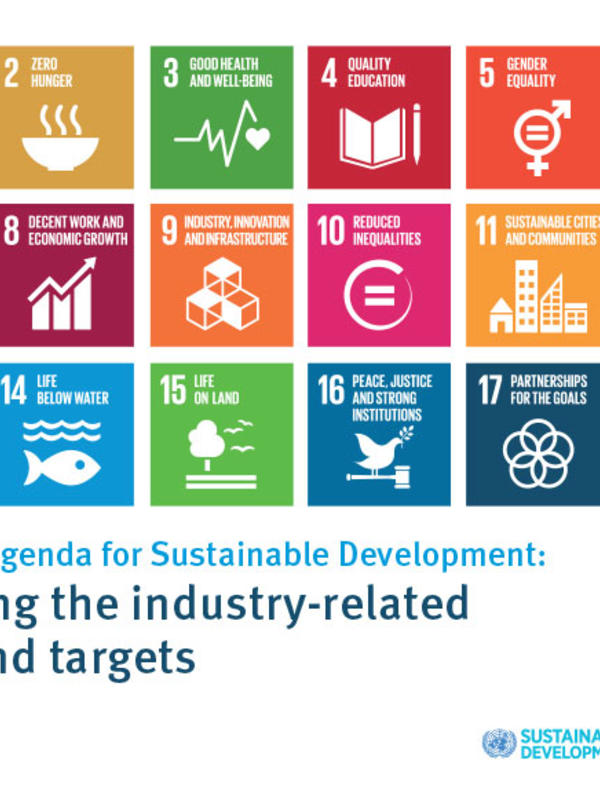
The 17 Sustainable Development Goals
The Sustainable Development Goals (SDGs) are a set of 17 global goals adopted by United Nations member states in 2015 as part of the 2030 Agenda for Sustainable Development. They provide a shared framework for tackling poverty, reducing inequality, protecting the planet and improving people’s lives. The goals are interconnected: progress in one area can support progress in others.
The SDGs apply to every country. Governments, businesses, communities and individuals all have a part to play in working towards them.
No Poverty
End poverty in all its forms everywhere. This includes improving access to essential services, social protection, resources and opportunities, particularly for people who are most at risk.
Zero Hunger
End hunger, achieve food security and improved nutrition, and promote sustainable agriculture. The goal includes ensuring that everyone has access to safe, nutritious food throughout the year.
Good Health and Well-being
Ensure healthy lives and promote well-being for people of all ages. Priorities include access to healthcare, preventing and treating disease, and supporting mental health and well-being.
Quality Education
Ensure inclusive and equitable quality education and promote lifelong learning opportunities for all. This means making education accessible, safe and effective, from early childhood through to adult learning.
Gender Equality
Achieve gender equality and empower all women and girls. The goal addresses discrimination and violence, while supporting equal opportunities, rights and participation in every area of life.
Clean Water and Sanitation
Ensure the availability and sustainable management of water and sanitation for all. This includes access to safe drinking water, adequate sanitation and hygiene, as well as the protection of water ecosystems.
Affordable and Clean Energy
Ensure access to affordable, reliable, sustainable and modern energy for all. Expanding renewable energy and improving energy efficiency are key parts of this goal.
Decent Work and Economic Growth
Promote sustained, inclusive and sustainable economic growth, full and productive employment, and decent work for all. This includes supporting safe working conditions, fair opportunities and sustainable economic activity.
Industry, Innovation and Infrastructure
Build resilient infrastructure, promote inclusive and sustainable industrialisation, and foster innovation. Reliable transport, communications and energy systems can help communities and economies thrive.
Reduced Inequalities
Reduce inequality within and among countries. The goal seeks to expand opportunities and inclusion, tackle discrimination, and ensure that the benefits of development are shared more fairly.
Sustainable Cities and Communities
Make cities and human settlements inclusive, safe, resilient and sustainable. This includes access to housing and transport, better urban planning, protection of cultural and natural heritage, and preparation for emergencies.
Responsible Consumption and Production
Ensure sustainable consumption and production patterns. Reducing waste, using resources more efficiently and making supply chains more sustainable can lessen pressure on the environment.
Climate Action
Take urgent action to combat climate change and its impacts. This involves reducing greenhouse gas emissions, strengthening resilience and preparing communities for climate-related risks.
Life Below Water
Conserve and sustainably use the oceans, seas and marine resources. Priorities include reducing marine pollution, protecting marine ecosystems and supporting sustainable fishing.
Life on Land
Protect, restore and promote the sustainable use of terrestrial ecosystems. The goal addresses issues such as deforestation, land degradation, biodiversity loss and the protection of threatened species.
Peace, Justice and Strong Institutions
Promote peaceful and inclusive societies, provide access to justice for all, and build effective, accountable and inclusive institutions. This includes protecting fundamental freedoms and strengthening the rule of law.
Partnerships for the Goals
Strengthen the means of implementation and revitalise the global partnership for sustainable development. Cooperation, finance, knowledge, technology and shared commitment are essential to achieving the other 16 goals.
Why the SDGs Matter
The SDGs offer a common way to understand some of the world’s most pressing challenges and to coordinate action towards a fairer, healthier and more sustainable future. Their success depends on practical progress at every level—from international agreements and national policies to local initiatives and everyday choices.
Although the goals are global, their impact is felt locally. Cleaner transport, accessible public spaces, reduced waste, better services and stronger communities can all contribute to sustainable development. By connecting social, economic and environmental priorities, the 17 SDGs provide a framework for building a better future for people and the planet.
The 17 Sustainable Development Goals: Frequently Asked Questions
- What are the 17 Sustainable Development Goals (SDGs)?
- Why were the 17 SDGs created?
- Who is responsible for achieving the SDGs?
- How can individuals contribute to the 17 SDGs?
- What is the deadline for achieving the Sustainable Development Goals?
What are the 17 Sustainable Development Goals (SDGs)?
The 17 Sustainable Development Goals (SDGs) are a set of global goals adopted by the United Nations in 2015 to help create a fairer, healthier and more sustainable world by 2030. They address challenges including poverty, hunger, health, education, gender equality, clean water, affordable clean energy, decent work, innovation, inequality, sustainable cities, responsible consumption, climate action, ocean and land conservation, peace and justice, and global partnerships. The goals are interconnected and call on governments, businesses, communities and individuals to work together towards a better future for people and the planet.
Why were the 17 SDGs created?
The 17 Sustainable Development Goals (SDGs) were created by the United Nations in 2015 to provide a shared global plan for tackling major social, economic and environmental challenges by 2030. Building on the earlier Millennium Development Goals, they address issues such as poverty, hunger, inequality and climate change, while recognising that these challenges are interconnected. The goals apply to every country and aim to improve people’s lives, protect the planet and promote peace and prosperity.
Who is responsible for achieving the SDGs?
Responsibility for achieving the Sustainable Development Goals is shared by all countries and sectors of society. National governments lead by setting policies, allocating resources and tracking progress, while local authorities, businesses, civil society organisations, communities and individuals can contribute through their decisions and actions. The United Nations supports international cooperation and monitors progress, but achieving the goals depends on sustained effort and partnership at every level.
How can individuals contribute to the 17 SDGs?
Individuals can support the 17 SDGs through everyday choices and community action. They can reduce waste, save water and energy, choose sustainable products and transport, and help protect local nature. Treating others fairly, challenging discrimination, volunteering, supporting local businesses and learning about global issues also contribute to goals such as reduced inequalities, decent work and quality education. People can further encourage progress by sharing reliable information, supporting organisations working towards the goals and asking businesses and decision-makers to act responsibly.
What is the deadline for achieving the Sustainable Development Goals?
The deadline for achieving the 17 Sustainable Development Goals is 2030. Adopted by UN member states in 2015 as part of the 2030 Agenda for Sustainable Development, the goals are intended to guide action over 15 years. Progress varies between goals and countries, so governments, organisations and communities continue to work towards meeting the targets by the end of 2030.