UNICEF and the Sustainable Development Goals
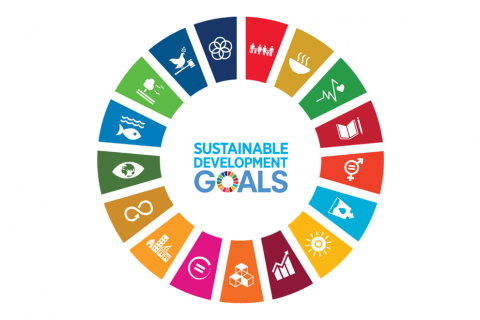
The Sustainable Development Goals (SDGs) are a shared global plan to improve people’s lives and protect the planet. Adopted by United Nations Member States in 2015, the 17 goals set out ambitions for a fairer, healthier and more sustainable world by 2030. Children’s rights and wellbeing are central to achieving them—and UNICEF works with governments, communities and partners to help make progress.
Why the SDGs matter to children
Children are affected by many of the issues the SDGs aim to address, including poverty, hunger, limited access to education and healthcare, unsafe water, discrimination and climate change. These challenges are closely connected. For example, poor health can prevent a child from attending school, while poverty may make it harder for a family to access nutritious food or safe housing.
At the same time, children are not only affected by the goals: they are essential to achieving them. Protecting children’s rights and investing in their development helps build healthier, more resilient societies for everyone.
UNICEF’s role
UNICEF works in more than 190 countries and territories to protect children’s rights and support their survival, development and participation. Its work contributes to all 17 SDGs, with a particular focus on goals that directly affect children, such as:
- Goal 1: No Poverty — helping to address child poverty and strengthen support for families.
- Goal 2: Zero Hunger — promoting good nutrition and preventing and treating malnutrition.
- Goal 3: Good Health and Well-being — supporting healthcare, immunisation and mental health services for children and families.
- Goal 4: Quality Education — working to make inclusive, safe and effective learning accessible to every child.
- Goal 5: Gender Equality — challenging discrimination and harmful practices that limit the rights and opportunities of girls.
- Goal 6: Clean Water and Sanitation — improving access to safe water, sanitation and hygiene.
- Goal 10: Reduced Inequalities — focusing on children who face exclusion because of poverty, disability, displacement or other barriers.
- Goal 13: Climate Action — supporting children and communities facing the effects of climate change and environmental harm.
- Goal 16: Peace, Justice and Strong Institutions — protecting children from violence, exploitation and abuse, and promoting their right to be heard.
- Goal 17: Partnerships for the Goals — working with public authorities, civil society, businesses and communities to achieve lasting change.
Turning global goals into local progress
The SDGs provide a common framework, but progress depends on action in individual countries and communities. UNICEF supports this work by providing expertise, collecting and analysing data, delivering services with local partners and advocating for policies that put children’s rights first. During emergencies, it also works to help children maintain access to essentials such as healthcare, education, safe water and protection.
Reliable data is important because it helps identify which children are being left behind and where support is most needed. Looking at progress by factors such as age, gender, disability, income and location can reveal inequalities that national averages may hide.
Challenges and the road to 2030
Achieving the SDGs is a major undertaking. Conflict, economic hardship, inequality, public health emergencies and the climate crisis can all slow progress and make children’s lives less secure. Because the goals are interconnected, setbacks in one area can affect many others.
Meeting the 2030 ambitions requires sustained investment, cooperation and accountability. It also means including children and young people in decisions that affect their lives. Their experiences and ideas can help shape solutions that are relevant, fair and effective.
A shared responsibility
UNICEF’s work towards the SDGs reflects a simple principle: every child has rights, and every child should have the opportunity to thrive. Governments have a central responsibility to deliver on the goals, but progress also depends on communities, organisations and individuals working together.
When children are healthy, safe, educated and able to participate, the benefits extend far beyond childhood. Advancing the SDGs for children is therefore not only an investment in their future—it is essential to building a more just and sustainable world for all.
UNICEF and the Sustainable Development Goals (SDGs): Frequently Asked Questions
- How many sustainable development goals are there according to UNICEF?
- What are the 17 SDGs Why is SDG important?
- What is the goal of UNICEF?
- What SDGs means?
How many sustainable development goals are there according to UNICEF?
According to UNICEF, there are 17 Sustainable Development Goals (SDGs). Adopted by United Nations Member States in 2015, they set out a shared plan to tackle global challenges such as poverty, hunger and inequality, improve health and education, and protect the planet by 2030. UNICEF works with partners to advance all 17 goals, with a particular focus on ensuring that children’s rights and wellbeing are at the heart of progress.
What are the 17 SDGs Why is SDG important?
The 17 Sustainable Development Goals (SDGs) are: No Poverty; Zero Hunger; Good Health and Well-being; Quality Education; Gender Equality; Clean Water and Sanitation; Affordable and Clean Energy; Decent Work and Economic Growth; Industry, Innovation and Infrastructure; Reduced Inequalities; Sustainable Cities and Communities; Responsible Consumption and Production; Climate Action; Life Below Water; Life on Land; Peace, Justice and Strong Institutions; and Partnerships for the Goals. Adopted by UN Member States in 2015, they provide a shared plan to tackle poverty and inequality, improve health and education, protect the environment and promote peace and prosperity by 2030. The SDGs matter because these challenges are interconnected, and progress depends on ensuring that no one is left behind—including every child, whose rights, safety and wellbeing are essential to a sustainable future.
What is the goal of UNICEF?
UNICEF’s goal is to protect the rights of every child and help ensure that all children can survive, thrive and fulfil their potential. Working in more than 190 countries and territories, UNICEF supports children’s health, nutrition, education and protection, with particular attention to those affected by poverty, conflict, discrimination or emergencies. Its work contributes to the Sustainable Development Goals by promoting a fairer, safer and healthier future for children everywhere.
What SDGs means?
SDGs stands for the Sustainable Development Goals: 17 interconnected goals adopted by United Nations Member States in 2015 as a shared plan for a fairer, healthier and more sustainable world by 2030. They address issues including poverty, hunger, health, education, equality, climate change and peace. UNICEF supports progress towards all the goals, with a particular focus on protecting children’s rights and ensuring every child has the opportunity to thrive.