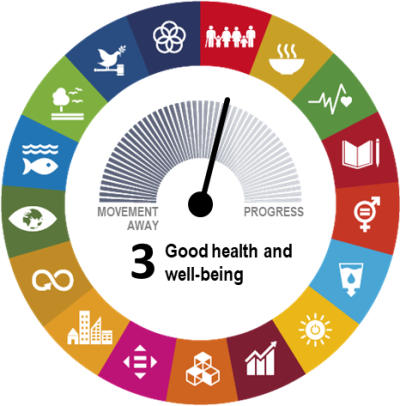
Sustainable Development Goal 3: Good Health and Well-being
Sustainable Development Goal 3 (SDG 3) aims to “ensure healthy lives and promote well-being for all at all ages”. It recognises that health is more than the absence of illness: it includes physical and mental well-being, access to healthcare, and the conditions that help people live healthy lives.
Why does SDG 3 matter?
Good health enables people to learn, work and take part in their communities. Yet access to healthcare and the chance to live a healthy life remain unequal. Poverty, conflict, discrimination, unsafe living conditions and a shortage of health services can all put people at greater risk of illness and prevent them from getting the care they need.
Health challenges also affect one another. Poor nutrition can increase the risk of disease, while mental health difficulties may make it harder to study or work. Pollution and climate change can worsen respiratory and other health problems. Improving health therefore requires action both within healthcare systems and in the communities where people live.
What does the goal aim to achieve?
SDG 3 includes a range of targets, such as reducing deaths during pregnancy and childbirth, preventing avoidable deaths among newborns and children, and tackling communicable diseases including HIV, tuberculosis and malaria. It also calls for greater attention to non-communicable diseases, mental health, road safety, substance misuse and access to sexual and reproductive healthcare.
A central part of the goal is universal health coverage. This means that everyone should be able to access essential, quality health services without being pushed into financial hardship. It also involves access to safe, effective medicines and vaccines, as well as a well-supported health workforce.
How can progress be made?
Progress depends on strong, accessible health systems. Primary care can help people receive advice, vaccinations, screening and treatment close to home. Investment in trained health workers, reliable facilities and essential medicines can make services more effective and resilient.
Prevention is equally important. Clean air and water, nutritious food, safe roads, good housing and opportunities for physical activity all contribute to health. Public information and community-led programmes can help people make informed choices, while policies that reduce poverty and discrimination can address some of the deeper causes of unequal health outcomes.
Governments, healthcare providers, researchers, businesses and community organisations all have a role to play. Individuals can also support progress by looking after their own well-being, seeking reliable health information and helping create inclusive, healthy communities. However, responsibility should not rest on individuals alone: everyone needs fair access to the services and conditions that make good health possible.
A shared commitment
SDG 3 is a commitment to make health and well-being a reality for all, rather than a privilege for some. Achieving it requires sustained investment, cooperation across sectors and attention to the needs of people who are often underserved. Progress towards this goal benefits individuals and strengthens families, communities and societies as a whole.
# Sustainable Development Goal 3: Seven Frequently Asked Questions About Good Health and Well-being
- What is Sustainable Development Goal 3?
- Why is SDG 3 important?
- What are the main targets of SDG 3?
- What does universal health coverage mean?
- How does SDG 3 address mental health?
- How can countries make progress towards SDG 3?
- What can individuals and communities do to support SDG 3?
What is Sustainable Development Goal 3?
Sustainable Development Goal 3 (SDG 3) is one of the United Nations’ 17 Sustainable Development Goals. It aims to “ensure healthy lives and promote well-being for all at all ages”. This includes improving access to quality healthcare, reducing preventable deaths, tackling communicable and non-communicable diseases, supporting mental health, and making essential medicines and vaccines available to everyone.
Why is SDG 3 important?
SDG 3 is important because good health and well-being are essential for people to live full, productive lives and for communities to thrive. It aims to ensure that everyone, at every age, can access quality healthcare and prevention services, while tackling challenges such as infectious diseases, mental ill health and avoidable deaths. By addressing inequalities in health and improving the conditions people need to stay well, SDG 3 helps build fairer, more resilient societies.
What are the main targets of SDG 3?
SDG 3’s main targets include reducing maternal, newborn and child deaths; ending major epidemics such as AIDS, tuberculosis and malaria; tackling non-communicable diseases and promoting mental health; preventing substance misuse and reducing deaths and injuries from road traffic accidents; ensuring access to sexual and reproductive healthcare and universal health coverage; and reducing illness caused by pollution and hazardous chemicals. It also aims to strengthen tobacco control, support research and access to affordable medicines and vaccines, increase health funding and the health workforce, and improve preparedness for health emergencies.
What does universal health coverage mean?
Universal health coverage means that everyone can access the quality health services they need, when and where they need them, without facing financial hardship. These services include health promotion, disease prevention, treatment, rehabilitation and palliative care. As part of Sustainable Development Goal 3, it also means ensuring fair access to essential medicines and vaccines, with particular attention to people who face barriers to care.
How does SDG 3 address mental health?
SDG 3 recognises mental health as an essential part of overall health and well-being. Its target 3.4 calls for the promotion of mental health and well-being, alongside reducing premature deaths from non-communicable diseases. This involves improving access to affordable, appropriate mental health support, raising awareness and reducing stigma, and strengthening prevention and treatment services. It also highlights the importance of supportive communities and addressing factors such as poverty, discrimination and social isolation that can affect mental health.
How can countries make progress towards SDG 3?
Countries can make progress towards SDG 3 by investing in accessible, affordable and high-quality healthcare for everyone, including strong local health services, trained health workers, essential medicines and vaccines. They can also prioritise prevention through better nutrition, clean air and water, road safety and public health education, while addressing mental health and the causes of health inequalities. Reliable data and cooperation between governments, communities and healthcare organisations help ensure that support reaches those who need it most.
What can individuals and communities do to support SDG 3?
Individuals and communities can support SDG 3 by making healthy choices, sharing reliable health information and helping create safe, inclusive places where everyone can thrive. This might include staying active, eating well, seeking appropriate medical and mental health support, promoting vaccination and taking part in local health initiatives. Communities can also advocate for accessible healthcare, clean air and water, safe streets and services that meet the needs of people who are often underserved. Small actions matter, but lasting progress also depends on working together to address the wider social and environmental factors that shape health.