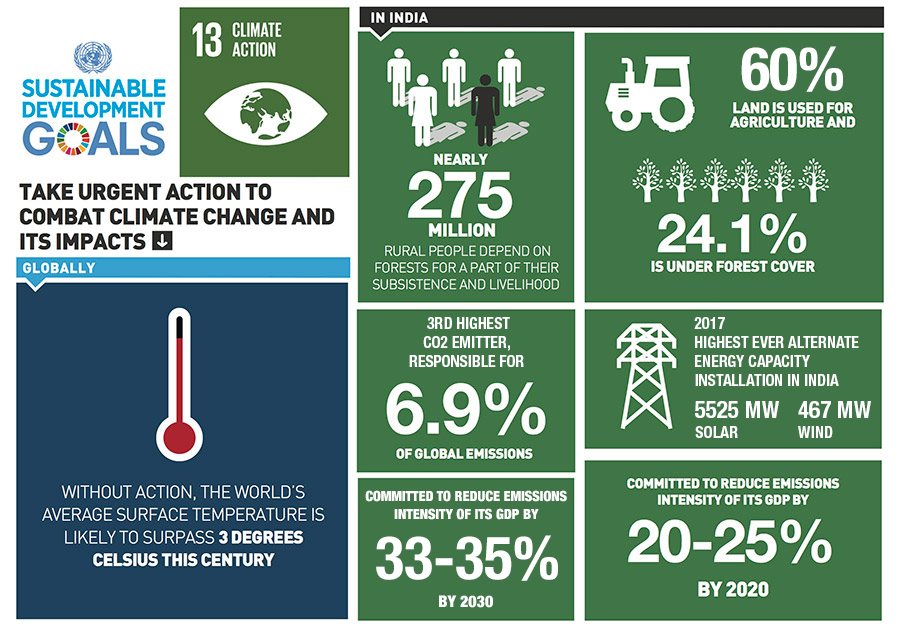
The Role of Sustainable Development Goals (SDGs) in Addressing Climate Change
Climate change is one of the most pressing challenges facing our planet today. Its impacts are far-reaching, affecting ecosystems, economies, and communities worldwide. In response to this urgent issue, the United Nations has set out a comprehensive framework known as the Sustainable Development Goals (SDGs) to guide global efforts towards a sustainable future.
Among the 17 SDGs established by the UN, Goal 13 specifically focuses on climate action. This goal recognises the need for immediate and decisive measures to combat climate change and its impacts. It calls for countries to strengthen their resilience and adaptive capacity to climate-related hazards and natural disasters.
By setting targets such as reducing greenhouse gas emissions, promoting renewable energy sources, and enhancing climate education and awareness, Goal 13 aims to mobilise collective action at both national and international levels. It emphasises the importance of partnerships and collaboration in achieving sustainable solutions to mitigate climate change.
Furthermore, integrating climate action into broader development strategies is essential for achieving multiple SDGs simultaneously. Addressing climate change can have positive ripple effects on poverty alleviation, health outcomes, biodiversity conservation, and more. By adopting a holistic approach that considers the interconnectedness of environmental, social, and economic issues, we can create a more resilient and sustainable future for all.
In conclusion, the SDGs play a crucial role in guiding global efforts to address climate change effectively. By embracing Goal 13 and working towards its targets with determination and innovation, we can pave the way for a greener, more sustainable world for current and future generations.
Seven Key Benefits of SDG Climate Action: Building a Resilient and Sustainable Future
- 1. Encourages countries to reduce greenhouse gas emissions and transition to renewable energy sources.
- 2. Promotes climate education and awareness to foster informed decision-making.
- 3. Strengthens resilience and adaptive capacity to climate-related hazards and natural disasters.
- 4. Mobilises global cooperation and partnerships for collective climate action.
- 5. Integrates climate objectives into broader development strategies, leading to synergistic benefits across multiple sectors.
- 6. Supports the preservation of biodiversity and ecosystems through sustainable practices.
- 7. Paves the way for a greener, more sustainable future for all by addressing the urgent challenges of climate change.
Key Challenges in Addressing Sustainable Development Goal on Climate Action
- Challenges in achieving consensus among nations on climate policies and commitments.
- Financial constraints may hinder the implementation of sustainable climate actions.
- Lack of enforcement mechanisms to ensure compliance with climate-related targets.
- Technological barriers may slow down the transition to renewable energy sources.
- Disproportionate impacts of climate change on vulnerable populations and regions.
- Potential conflicts of interest between economic development goals and climate priorities.
- Limited public awareness and engagement regarding the urgency of climate action.
1. Encourages countries to reduce greenhouse gas emissions and transition to renewable energy sources.
One significant advantage of the Sustainable Development Goal (SDG) related to climate action is its emphasis on encouraging countries to reduce greenhouse gas emissions and transition towards renewable energy sources. By setting clear targets in this regard, the SDG provides a framework for nations to adopt sustainable practices that not only mitigate the impacts of climate change but also promote cleaner and more environmentally friendly energy production. This proactive approach not only helps combat global warming but also fosters innovation in renewable technologies, leading to a more sustainable and greener future for our planet.
2. Promotes climate education and awareness to foster informed decision-making.
One significant advantage of the Sustainable Development Goal (SDG) related to climate action is its emphasis on promoting climate education and awareness. By raising public awareness and providing education on climate change issues, the SDG aims to empower individuals and communities to make informed decisions regarding environmental sustainability. This proactive approach not only enhances understanding of the challenges posed by climate change but also encourages the adoption of sustainable practices in daily life, ultimately contributing to more responsible and environmentally conscious decision-making at all levels.
3. Strengthens resilience and adaptive capacity to climate-related hazards and natural disasters.
One significant advantage of the Sustainable Development Goal (SDG) related to climate action is its focus on strengthening resilience and adaptive capacity to climate-related hazards and natural disasters. By prioritising this aspect, the SDG framework encourages nations to proactively prepare for and respond to the increasing frequency and intensity of extreme weather events caused by climate change. Building resilience not only helps communities withstand the immediate impacts of disasters but also enables them to recover more effectively, ultimately reducing vulnerability and enhancing long-term sustainability in the face of environmental challenges.
4. Mobilises global cooperation and partnerships for collective climate action.
The Sustainable Development Goal (SDG) focused on climate action serves as a powerful catalyst for mobilising global cooperation and fostering partnerships dedicated to collective climate action. By emphasising the importance of collaborative efforts at both national and international levels, this aspect of the SDG framework encourages countries, organisations, and individuals to work together towards common goals in combating climate change. Through shared knowledge, resources, and expertise, such partnerships can leverage diverse perspectives and innovative solutions to address the complexities of climate challenges effectively, ultimately leading to a more coordinated and impactful response to the global climate crisis.
5. Integrates climate objectives into broader development strategies, leading to synergistic benefits across multiple sectors.
By integrating climate objectives into broader development strategies, Sustainable Development Goal 13 fosters synergistic benefits across multiple sectors. This proactive approach not only addresses the urgent need to combat climate change but also creates positive ripple effects that enhance various aspects of sustainable development. By aligning climate action with broader development goals, such as poverty alleviation, health improvement, and biodiversity conservation, countries can maximise their impact and create a more resilient and sustainable future for all.
6. Supports the preservation of biodiversity and ecosystems through sustainable practices.
Goal 6 of the Sustainable Development Goals (SDGs) plays a vital role in supporting the preservation of biodiversity and ecosystems through sustainable practices. By promoting responsible water management, improving water quality, and enhancing ecosystem conservation, this goal contributes to the protection of vital habitats and species. Sustainable practices under Goal 6 not only ensure the availability of clean water for all but also help safeguard biodiversity, fostering a healthier environment for both wildlife and humans to thrive in harmony.
7. Paves the way for a greener, more sustainable future for all by addressing the urgent challenges of climate change.
Goal 7 of the Sustainable Development Goals (SDGs) stands out as a crucial proponent in paving the way for a greener, more sustainable future for all. By addressing the urgent challenges posed by climate change, Goal 7 emphasises the importance of transitioning towards renewable energy sources, increasing energy efficiency, and promoting sustainable practices. Through these targeted actions, Goal 7 not only mitigates the impacts of climate change but also fosters a more environmentally conscious and resilient global community. This proactive approach not only benefits the planet but also ensures a better quality of life for current and future generations.
Challenges in achieving consensus among nations on climate policies and commitments.
One significant challenge in the implementation of Sustainable Development Goal (SDG) climate initiatives is the difficulty in achieving consensus among nations on climate policies and commitments. With diverse economic, political, and social contexts across countries, reaching agreement on the urgency and scope of climate action can be a complex and protracted process. Varying priorities, interests, and levels of development often hinder cohesive global efforts to address climate change effectively. Overcoming this conundrum requires diplomatic skill, negotiation expertise, and a shared commitment to finding common ground for collective action towards a sustainable future.
Financial constraints may hinder the implementation of sustainable climate actions.
Financial constraints pose a significant challenge to the successful implementation of sustainable climate actions under the SDG framework. The ambitious targets set out by Goal 13 require substantial investments in renewable energy infrastructure, climate adaptation measures, and capacity-building initiatives. However, many countries, especially developing nations, may struggle to secure the necessary funding to support these efforts. Without adequate financial resources and support mechanisms in place, the ability to effectively combat climate change and achieve sustainable development goals may be severely hampered. Addressing these financial constraints is crucial to ensuring that climate action remains a priority on the global agenda and that progress towards a more sustainable future is not impeded by economic limitations.
Lack of enforcement mechanisms to ensure compliance with climate-related targets.
One significant drawback of the Sustainable Development Goal (SDG) related to climate change is the lack of robust enforcement mechanisms to guarantee compliance with the set targets. Without effective monitoring and enforcement measures in place, countries may struggle to meet their commitments towards reducing greenhouse gas emissions, promoting renewable energy, and enhancing climate resilience. This lack of accountability can undermine the overall effectiveness of SDG Goal 13 in combating climate change on a global scale, highlighting the need for stronger regulatory frameworks and oversight mechanisms to ensure meaningful progress towards a sustainable future.
Technological barriers may slow down the transition to renewable energy sources.
One significant challenge associated with the Sustainable Development Goal (SDG) related to climate action is the presence of technological barriers that could impede the swift transition to renewable energy sources. The reliance on traditional fossil fuels and outdated infrastructure poses a hindrance to the widespread adoption of cleaner and more sustainable energy alternatives. Overcoming these technological obstacles requires substantial investments in research and development, as well as the implementation of innovative solutions to enhance the efficiency and affordability of renewable energy technologies. Failure to address these barriers effectively may delay progress towards achieving SDG targets for climate action and exacerbate the impacts of climate change on a global scale.
Disproportionate impacts of climate change on vulnerable populations and regions.
The Sustainable Development Goal (SDG) focused on climate action, while crucial in addressing climate change, faces a significant challenge in the form of disproportionate impacts on vulnerable populations and regions. Climate change often exacerbates existing inequalities, with disadvantaged communities and regions bearing the brunt of its consequences. These vulnerable populations, including low-income groups, indigenous communities, and developing countries, are more likely to experience extreme weather events, food insecurity, water scarcity, and displacement due to climate-related disasters. Addressing this con of the SDG climate requires targeted strategies that prioritise equity and social justice to ensure that no one is left behind in the fight against climate change.
Potential conflicts of interest between economic development goals and climate priorities.
One significant challenge associated with the Sustainable Development Goal (SDG) on climate action is the potential conflicts of interest that may arise between economic development goals and climate priorities. In many cases, policies aimed at promoting economic growth, such as industrial expansion or increased energy production, can conflict with efforts to reduce greenhouse gas emissions and mitigate climate change. Balancing the need for sustainable economic development with the imperative to address climate concerns requires careful planning, innovative solutions, and a shift towards more environmentally friendly practices across industries. Failure to navigate these conflicts effectively could undermine progress towards achieving both economic prosperity and a sustainable future for our planet.
Limited public awareness and engagement regarding the urgency of climate action.
Limited public awareness and engagement regarding the urgency of climate action poses a significant con in the implementation of SDG climate goals. Without widespread understanding and active participation from individuals, communities, and governments, efforts to combat climate change may fall short of achieving meaningful impact. Increasing public awareness through education, advocacy, and outreach initiatives is crucial in mobilising collective action towards addressing climate change effectively. By fostering a sense of urgency and empowering people to take concrete steps towards sustainability, we can overcome this challenge and work towards a more sustainable future for our planet.