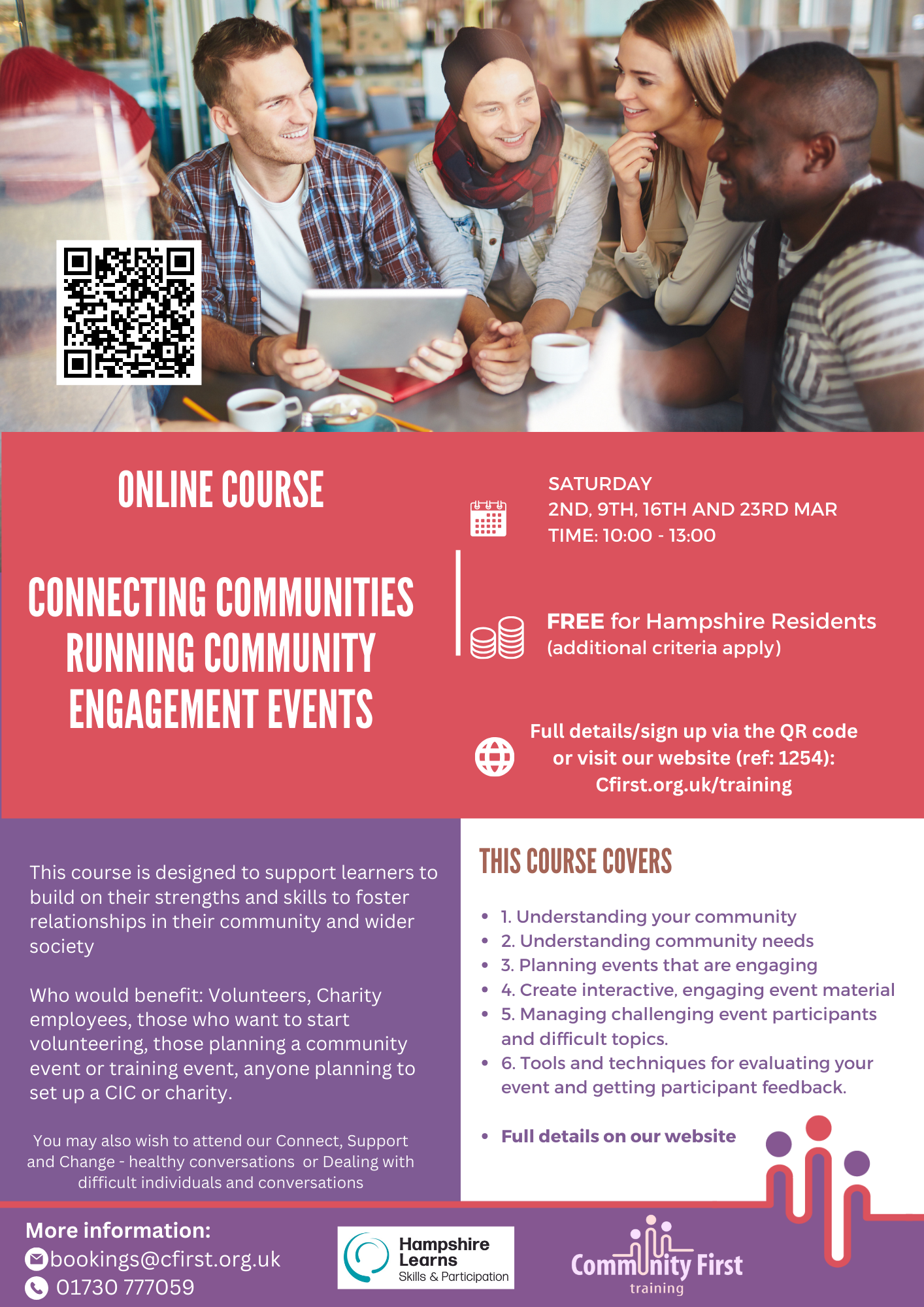
Online Community Engagement: Building Stronger Connections in a Digital World
Online community engagement is about more than posting updates or collecting likes. It means creating meaningful opportunities for people to share ideas, ask questions and take part in decisions that affect their community. When done well, digital engagement can bring people together, make information easier to access and help organisations understand the needs of the people they serve.
Why online engagement matters
People have different schedules, responsibilities and ways of accessing information. Online spaces can make it easier to join a conversation without attending a meeting in person. They can also help communities reach people who might otherwise be left out, including those with caring responsibilities, mobility needs or limited time.
For local groups, organisations and public services, online engagement offers a way to share information quickly and hear from a wider range of people. It can support conversations about neighbourhood projects, public spaces, transport, local services and other issues that shape everyday life.
Make participation clear and accessible
People are more likely to take part when they understand what is being discussed and how their contribution will be used. Use clear, straightforward language and explain the purpose of each activity. If a decision has already been made, be open about that. If people can influence the outcome, explain how.
Accessibility matters, too. Choose platforms that work well on mobile devices, provide captions for videos and use readable text. Offer information in different formats where possible, and consider translation or other support to help more people participate.
Choose the right ways to engage
Different activities suit different conversations. A short survey can gather views on specific options, while an online discussion can help explore a topic in more depth. Live events can give people the chance to ask questions, but they should be recorded or followed by a summary for those unable to attend.
- Surveys and polls: useful for gathering views on focused questions.
- Discussion forums: helpful for ongoing conversations and exchanging ideas.
- Online meetings: a chance to hear from participants directly and respond to questions.
- Interactive maps: useful for collecting place-based feedback about streets, parks or facilities.
- Social media: effective for sharing updates and directing people to more detailed information.
Build trust through honest communication
Engagement works best when it is a two-way process. Share updates regularly, respond respectfully to questions and explain what has happened as a result of people’s contributions. Not every suggestion can be adopted, but it is important to acknowledge feedback and give a clear reason when proposals are not taken forward.
Trust also depends on being transparent about privacy. Tell participants what information is being collected, why it is needed and how it will be stored or used. Avoid asking for personal details unless they are genuinely necessary.
Include different voices
Online engagement can widen participation, but it does not automatically represent everyone. Some people may have limited internet access, low confidence with digital tools or a preference for speaking face to face. Combining online methods with in-person conversations, printed information or telephone options can help create a more inclusive approach.
It is also important to notice who is taking part and who may be missing. Where appropriate, reach out through trusted local organisations and community networks. A welcoming tone, clear ground rules and active moderation can help participants feel safe to contribute.
Close the feedback loop
One of the most important parts of community engagement happens after people have shared their views. Publish a clear summary of what was heard, explain the next steps and show how feedback influenced the work. This lets participants see that their time and ideas were valued.
Make engagement an ongoing practice
Online community engagement is most effective when it is part of a continuing relationship, rather than a one-off consultation. By listening carefully, communicating openly and making participation accessible, organisations can build stronger connections and support better decisions. Digital tools can help bring people into the conversation; the real value comes from treating their contributions with care.
7 Essential Tips for Boosting Engagement in Your Online Community
- Ask open questions to spark conversation.
- Reply promptly and thoughtfully.
- Welcome newcomers by name.
- Share useful, relevant content.
- Celebrate member contributions.
- Set clear, friendly community guidelines.
- Invite feedback and act on it.
Ask open questions to spark conversation.
Ask open questions to spark conversation and encourage people to share more than a simple yes or no. Questions such as “What would make this space more welcoming?” or “How could we improve this service?” invite participants to explain their experiences, offer ideas and respond to one another. Keep questions clear and focused, and show that contributions are valued by acknowledging responses and explaining how they will inform next steps.
Reply promptly and thoughtfully.
Replying promptly and thoughtfully shows community members that their contributions are valued. Acknowledge questions and comments as soon as you can, even if a full answer will take longer, and let people know when to expect an update. Take time to respond clearly and respectfully, addressing the point raised rather than relying on generic replies. This helps build trust, encourages further participation and makes the conversation feel genuinely two-way.
Welcome newcomers by name.
Welcome newcomers by name to help them feel noticed and included from the outset. A friendly, personal greeting can make it easier for someone to join the conversation, ask questions and connect with other members. Keep the welcome warm and respectful, and avoid sharing personal details that they have not chosen to make public.
Share useful, relevant content.
Share content that genuinely helps your community and relates to its interests, needs and everyday experiences. Useful updates, practical advice, local information and clear answers to common questions give people a reason to take part and return. Keep posts timely, easy to understand and relevant to the community, and invite people to respond or suggest topics they would like to see covered.
Celebrate member contributions.
Celebrate member contributions by recognising the time, knowledge and ideas people bring to your online community. A thoughtful thank-you, a highlight in a newsletter or a chance to showcase a member’s work can help people feel valued and encourage others to take part. Make recognition genuine and inclusive, and remember to ask permission before sharing someone’s contribution more widely.
Set clear, friendly community guidelines.
Set clear, friendly community guidelines so everyone knows how to take part and what behaviour is expected. Use welcoming, plain language to encourage respectful discussion, explain how disagreements should be handled and make clear that harassment or discriminatory comments are not acceptable. Share the guidelines where members can easily find them, and apply them consistently. A supportive, well-moderated space helps people feel safe to contribute and makes conversations more constructive.
Invite feedback and act on it.
Invite feedback regularly and make it easy for people to share their views through surveys, discussion forums or direct messages. Just as importantly, show that their contributions matter: acknowledge suggestions, explain what you will change and be clear when an idea cannot be taken forward. Closing the feedback loop builds trust and encourages the community to keep taking part.