Off-Grid Electricity Storage: A Practical Guide
Living off-grid means producing electricity without relying on a mains connection. Solar panels, wind turbines or a small hydro system can generate power, but their output changes with the weather and the time of day. Electricity storage helps bridge the gap between generation and demand, making an off-grid system more reliable.
A well-designed storage system can keep essential appliances running when generation is low, reduce the need for a backup generator and make better use of renewable energy. Choosing the right system depends on how much electricity you use, how consistently you need it and what your generation equipment can supply.
How off-grid storage works
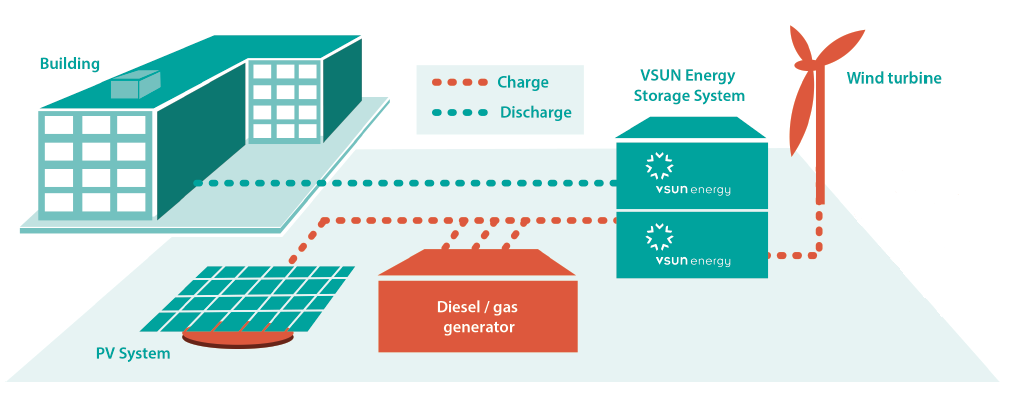
Most off-grid systems use batteries to store electricity produced by renewable generators. A charge controller or inverter-charger manages the flow of electricity into and out of the battery. An inverter converts the battery’s direct current (DC) into the alternating current (AC) used by many household appliances.
When generation exceeds demand, the surplus can charge the batteries. When generation falls below demand, the batteries supply the shortfall. If the batteries become depleted and renewable generation is insufficient, a backup generator may be needed.
Choosing a battery type
Lithium iron phosphate
Lithium iron phosphate (LiFePO4) batteries are widely used in modern off-grid systems. They are relatively lightweight, can usually provide a large share of their rated capacity and typically have a long cycle life. They often include a battery management system to monitor temperature, voltage and charging. Their initial cost can be higher than some alternatives, and they must be installed and operated within the manufacturer’s limits.
Lead-acid
Lead-acid batteries are an established option and may have a lower purchase price. However, they are heavy, generally need more maintenance and usually provide less usable capacity for a given rated capacity if long service life is a priority. Flooded lead-acid batteries also require suitable ventilation and careful handling. Sealed varieties avoid topping up with water but still need appropriate charging and installation.
Battery chemistry is only one part of the decision. Compatibility with the inverter and charge controller, warranty terms, operating temperature, expected lifespan and availability of replacement parts all matter.
Sizing a storage system
Battery capacity is usually stated in kilowatt-hours (kWh), while an appliance’s power is measured in kilowatts (kW). Capacity indicates how much energy can be stored; power indicates how quickly it can be delivered. Both figures are important. A battery may hold enough energy for a day’s use but still be unable to run several high-power appliances at once.
Start by estimating daily electricity use. List the appliances you intend to run, their power ratings and how many hours a day they are likely to operate. Pay particular attention to items such as kettles, electric ovens, immersion heaters, pumps and power tools, which can have high demand or surge when starting.
Then consider how many days of low generation the system should cover. This is sometimes called autonomy. A home with solar panels may need more storage to get through a run of dull winter weather than one with dependable hydro generation or a regularly used backup generator.
When comparing batteries, distinguish between nominal capacity and usable capacity. The full stated capacity may not be available in normal operation, because the battery’s permitted depth of discharge, conversion losses and system reserves reduce the energy that can be used. Ask the supplier or installer for the expected usable capacity in the proposed configuration.
Matching storage to generation
A battery cannot compensate indefinitely for a system that does not generate enough electricity. In the UK, solar output varies substantially by season, with shorter days and lower sunlight levels in winter. A system designed around summer production alone may struggle during colder months, when lighting, heating controls and other household demands can also increase.
Wind or hydro generation may complement solar, depending on the site, but each has its own practical constraints. Wind generation depends on local conditions and careful siting; hydro requires a suitable water source and may involve permissions. A hybrid system can provide a more balanced supply, although it is more complex to design and maintain.
Reducing demand is often as valuable as adding batteries. Efficient appliances, LED lighting, good insulation and careful scheduling of flexible tasks can lower the size and cost of the system required. Where possible, run energy-intensive equipment when renewable generation is plentiful rather than relying on stored electricity.
Inverters, controls and backup power
The inverter must be compatible with the battery and capable of supplying both the normal load and short-lived surges from appliances. Inverter-chargers can also manage charging from a generator. System controls may allow the user to set reserve levels, prioritise certain loads or start a generator automatically when the battery reaches a chosen state of charge.
A backup generator can be useful during prolonged periods of poor weather or unexpectedly high demand. It should be sized to work effectively with the charging equipment and the loads it needs to support. Running a generator only to meet immediate demand, rather than charging the batteries efficiently, may waste fuel, so the system controls and operating plan should be considered together.
Safety and installation
Battery systems can store a considerable amount of energy. Incorrect wiring, unsuitable protection or poor ventilation can create risks including electric shock, fire and damage to equipment. Batteries should be installed in a location that meets the manufacturer’s requirements for temperature, ventilation, access and protection from water or physical damage.
Use equipment designed to work together and follow the manufacturer’s installation instructions. A suitably qualified professional can assess the site, design the system, install appropriate isolation and overcurrent protection, and check that the battery, inverter and generation equipment are compatible. In the UK, the work may also need to comply with relevant electrical and building requirements; seek advice specific to the property and installation.
Looking after the system
Modern lithium systems need relatively little routine attention, but they still benefit from periodic checks. Keep the equipment clean and unobstructed, check for warning messages, and review system performance so that a gradual drop in generation or storage can be spotted. Follow the manufacturer’s guidance on inspections and servicing.
For lead-acid batteries, maintenance requirements depend on the type. Some need regular checks of electrolyte levels and ventilation, while sealed models have different care requirements. In all cases, avoid exposing batteries to temperatures or charging conditions outside their specified operating range.
Planning for long-term reliability
Off-grid electricity storage is not simply a matter of buying the largest battery available. The best system balances generation, storage, inverter power and everyday demand. It should also account for seasonal conditions, future changes in electricity use and a plan for periods when renewable output is poor.
Begin with an honest energy-use assessment, decide which loads are essential and compare the total system cost over its expected lifetime, not just the battery’s upfront price. With careful design and sensible energy use, storage can make an off-grid supply more dependable and help renewable electricity go further.
Understanding Off-Grid Electricity Storage: Key FAQs and Insights
- What is off-grid electricity storage and how does it work?
- How do I calculate the battery capacity I need for an off-grid system?
- Which batteries are best for off-grid electricity storage
- How many days of power can an off-grid battery provide?
- Can solar panels charge off-grid batteries during winter in the UK?
- How long do off-grid batteries last, and how can I extend their lifespan?
- Do I need a backup generator for an off-grid electricity system?
What is off-grid electricity storage and how does it work?
Off-grid electricity storage is a way to keep surplus power generated by sources such as solar panels or wind turbines for later use, without relying on the mains grid. Most systems store this energy in batteries: a charge controller regulates the electricity going in, and an inverter converts the battery’s direct current (DC) into the alternating current (AC) used by many household appliances. When renewable generation is low or demand is high, the stored power can supply the home, with a backup generator sometimes used during longer periods of poor weather or high demand.
How do I calculate the battery capacity I need for an off-grid system?
To estimate the battery capacity you need, add up the electricity your appliances use each day in kilowatt-hours (kWh), then multiply this by the number of days of autonomy you want during periods of low generation. Divide the result by the battery’s recommended depth of discharge and allow for losses in the inverter and wiring. For example, if you use 5 kWh a day and want two days of storage, you need 10 kWh of usable energy before accounting for those limits and losses. Also check that the battery and inverter can deliver enough power for your appliances’ peak demand and starting surges. Actual requirements depend on seasonal generation, backup options and battery specifications, so use the manufacturer’s guidance or consult a qualified installer before choosing a system.
Which batteries are best for off-grid electricity storage
Lithium iron phosphate (LiFePO₄) batteries are often a strong choice for off-grid electricity storage because they offer long service life, high usable capacity and relatively low maintenance. Lead-acid batteries can cost less upfront, but are heavier, usually provide less usable energy and may need more upkeep. The best option depends on your budget, daily electricity use, system compatibility, climate and expected backup needs, so compare usable capacity, warranty and lifetime cost as well as the purchase price.
How many days of power can an off-grid battery provide?
How many days of power an off-grid battery can provide depends on its usable capacity, your electricity use and how much energy your system generates while the battery is in use. A larger battery can keep essential appliances running for longer, but high-demand items such as electric heaters, ovens and kettles can quickly reduce its reserve. To estimate your system’s autonomy, compare the battery’s usable capacity with your typical daily consumption, and allow for reduced generation during periods of poor weather. A qualified installer can help size the system for your needs and decide whether you also need a backup generator.
Can solar panels charge off-grid batteries during winter in the UK?
Yes, solar panels can charge off-grid batteries during winter in the UK, but they usually produce much less electricity than in summer because the days are shorter and sunlight is weaker. How much energy is available depends on your location, panel orientation, shading and the weather, so a system that works well in summer may need careful planning for winter. Check your expected winter generation against your daily electricity use, and consider reducing demand, adding other generation such as wind where suitable, or using a backup generator during prolonged spells of poor weather.
How long do off-grid batteries last, and how can I extend their lifespan?
Off-grid batteries typically last between 5 and 15 years, depending on their chemistry, how often they are charged and discharged, operating temperatures and overall system design. Lithium iron phosphate batteries often last longer than lead-acid batteries, but the manufacturer’s cycle-life rating and warranty are useful guides. To extend battery life, choose a correctly sized system, avoid repeatedly running the battery very low, use compatible charging equipment, keep it within its recommended temperature range and follow the manufacturer’s maintenance guidance. Regularly checking the system for faults can also help catch problems early.
Do I need a backup generator for an off-grid electricity system?
A backup generator isn’t essential for every off-grid system, but it can provide useful cover during long periods of poor weather, unexpectedly high demand or equipment faults. Whether you need one depends on your renewable energy supply, battery capacity, electricity use and how important an uninterrupted supply is. A well-sized solar, wind or hydro system with adequate storage may meet your needs without a generator, while a generator can offer extra reassurance and help recharge batteries when generation is low.