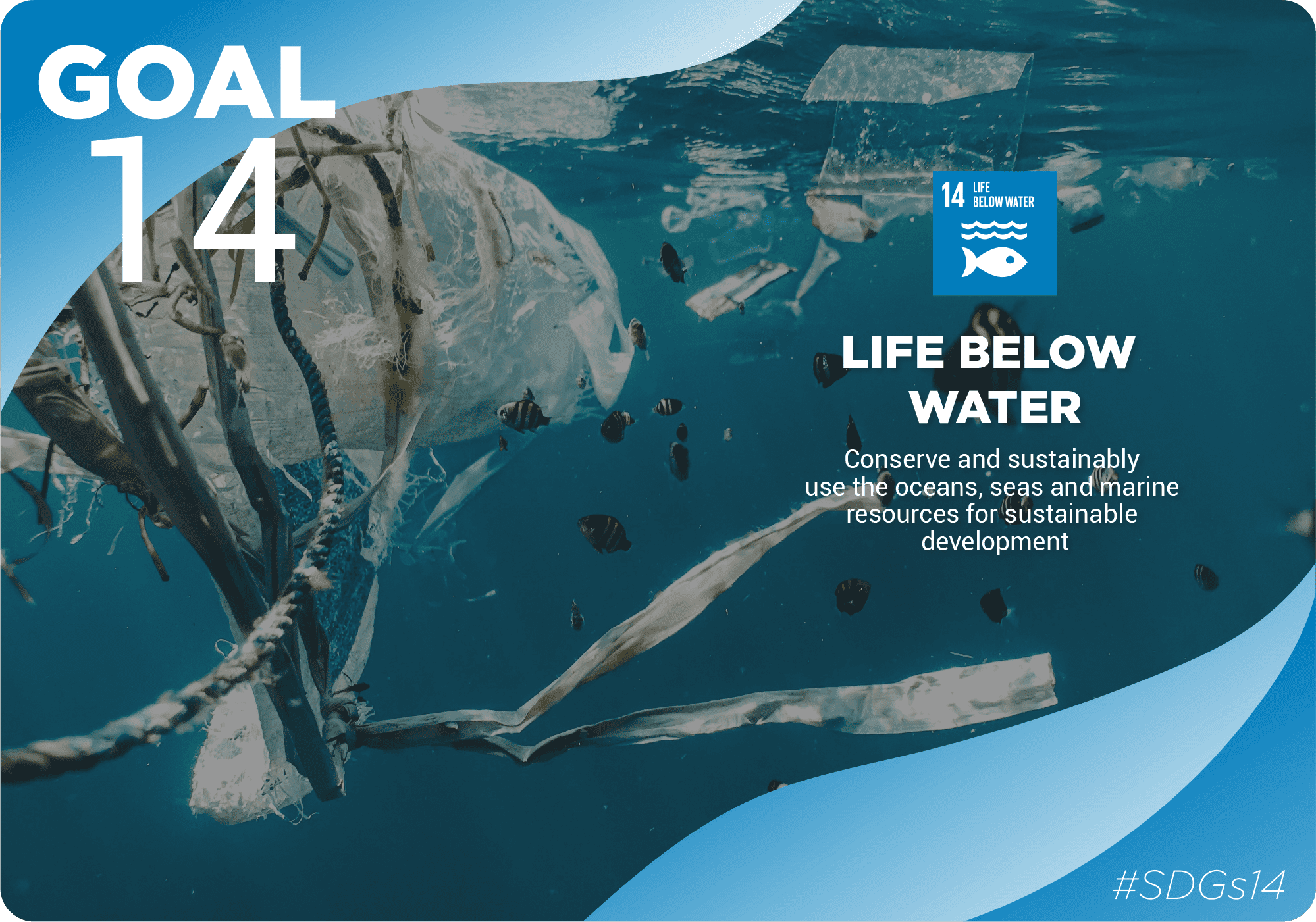
The Importance of UN Sustainable Development Goal 14: Life Below Water
UN Sustainable Development Goal 14, also known as “Life Below Water,” focuses on the conservation and sustainable use of the oceans, seas, and marine resources. With the world’s oceans facing unprecedented threats from pollution, overfishing, climate change, and habitat destruction, this goal plays a crucial role in ensuring the health and sustainability of marine ecosystems.
Why is Goal 14 Important?
Oceans cover more than 70% of the Earth’s surface and are essential for supporting life on our planet. They regulate the climate, produce oxygen, provide food and livelihoods for billions of people, and are home to a vast array of marine species. However, human activities have put immense pressure on marine ecosystems, leading to widespread degradation and loss of biodiversity.
Goal 14 aims to address these challenges by promoting sustainable management practices that protect marine life and preserve ocean health. By conserving marine resources, reducing pollution, combating illegal fishing activities, and implementing effective marine protected areas, we can safeguard the future of our oceans for generations to come.
The Role of Individuals in Achieving Goal 14
While governments and organisations play a significant role in implementing policies and initiatives to achieve Goal 14 targets, individuals also have a crucial part to play in protecting our oceans. Simple actions such as reducing plastic waste, choosing sustainable seafood options, supporting local conservation efforts, and raising awareness about ocean conservation can all contribute to the overall goal of preserving life below water.
Collaboration for a Sustainable Future
Achieving UN Sustainable Development Goal 14 requires collaboration at all levels – from local communities to global partnerships. By working together towards common objectives and sharing knowledge and resources, we can make significant progress in safeguarding our oceans and ensuring their long-term sustainability.
In Conclusion
UN Sustainable Development Goal 14 is a critical component of the global effort to create a more sustainable future for our planet. By prioritising the protection of life below water and taking collective action to address threats to marine ecosystems, we can secure a healthy environment for current and future generations. Let us all commit to supporting Goal 14 and working towards a world where our oceans thrive with life.
Understanding UN Sustainable Development Goal 14: Key Questions and Insights
- What is UN Sustainable Development Goal 14?
- Why is Goal 14 important?
- How does Goal 14 contribute to the conservation of marine ecosystems?
- What are the main threats to life below water that Goal 14 aims to address?
- What actions can individuals take to support Goal 14?
- How do governments and organisations work towards achieving Goal 14 targets?
- What role do marine protected areas play in achieving Goal 14?
- How can sustainable fishing practices help in preserving life below water?
- What are some successful examples of initiatives that have contributed to the achievement of Goal 14?
What is UN Sustainable Development Goal 14?
UN Sustainable Development Goal 14, also known as “Life Below Water,” is a crucial global initiative aimed at conserving and sustainably managing the oceans, seas, and marine resources. This goal recognises the vital role that marine ecosystems play in supporting life on Earth and highlights the urgent need to address threats such as pollution, overfishing, climate change, and habitat destruction. By promoting responsible stewardship of our oceans and advocating for sustainable practices, Goal 14 seeks to ensure the long-term health and resilience of marine environments for the benefit of both present and future generations.
Why is Goal 14 important?
The importance of UN Sustainable Development Goal 14, also known as “Life Below Water,” cannot be overstated. With oceans covering over 70% of the Earth’s surface and playing a vital role in sustaining life on our planet, the preservation and sustainable use of marine resources are paramount. Goal 14 is crucial in addressing the numerous threats facing marine ecosystems, including pollution, overfishing, climate change, and habitat destruction. By promoting sustainable management practices and conservation efforts, Goal 14 aims to safeguard the health of our oceans, protect marine biodiversity, and ensure the well-being of both marine life and human communities that depend on these vital resources.
How does Goal 14 contribute to the conservation of marine ecosystems?
UN Sustainable Development Goal 14 plays a vital role in the conservation of marine ecosystems by promoting sustainable management practices and initiatives that aim to protect and preserve the health of our oceans. Through targeted actions such as reducing marine pollution, combating overfishing, establishing marine protected areas, and addressing the impacts of climate change on marine life, Goal 14 works towards ensuring the long-term sustainability of our oceans. By focusing on the conservation and sustainable use of marine resources, this goal helps to safeguard biodiversity, support ecosystem resilience, and maintain the essential services that oceans provide to both humans and wildlife.
What are the main threats to life below water that Goal 14 aims to address?
Goal 14 of the UN Sustainable Development Goals aims to address a range of threats to life below water that are jeopardising the health and sustainability of marine ecosystems. Some of the main threats that Goal 14 focuses on include overfishing, marine pollution, ocean acidification, habitat destruction, and the impacts of climate change on marine environments. These threats not only endanger marine biodiversity but also have far-reaching consequences for human livelihoods, food security, and the overall health of our planet’s oceans. By targeting these key challenges, Goal 14 seeks to promote sustainable practices and policies that will help protect and preserve life below water for current and future generations.
What actions can individuals take to support Goal 14?
Individuals can take a variety of actions to support UN Sustainable Development Goal 14, which focuses on life below water. One impactful way is to reduce plastic waste by using reusable items and properly disposing of plastics to prevent them from ending up in the oceans. Choosing sustainable seafood options and supporting local conservation efforts are also effective ways for individuals to contribute to the preservation of marine ecosystems. Additionally, raising awareness about ocean conservation issues and advocating for policies that promote marine protection can help drive positive change towards achieving Goal 14’s targets.
How do governments and organisations work towards achieving Goal 14 targets?
Governments and organisations work towards achieving UN Sustainable Development Goal 14 targets through a combination of policy development, resource allocation, and collaborative efforts. Governments play a crucial role in setting regulations and frameworks that promote sustainable marine management practices, such as establishing marine protected areas, implementing fisheries management plans, and monitoring pollution levels. Organisations, including non-profits, research institutions, and industry stakeholders, contribute by conducting research, raising awareness, implementing conservation projects, and advocating for policy changes. By working together with a shared commitment to protecting life below water, governments and organisations can make significant strides towards achieving Goal 14 targets and ensuring the health and sustainability of our oceans.
What role do marine protected areas play in achieving Goal 14?
Marine protected areas play a crucial role in achieving UN Sustainable Development Goal 14, which focuses on the conservation and sustainable use of life below water. These designated areas serve as sanctuaries for marine ecosystems, providing a safe haven for marine species to thrive and habitats to regenerate. By establishing marine protected areas, we can help preserve biodiversity, restore fish stocks, and protect vulnerable species from human activities such as overfishing and habitat destruction. Additionally, these areas contribute to the overall health of our oceans by promoting ecosystem resilience and supporting sustainable fisheries management practices. Through the establishment and effective management of marine protected areas, we can make significant strides towards achieving Goal 14 and ensuring the long-term health and sustainability of our marine environments.
How can sustainable fishing practices help in preserving life below water?
Sustainable fishing practices play a vital role in preserving life below water by ensuring the long-term health and abundance of marine ecosystems. By adopting sustainable fishing methods such as implementing catch limits, avoiding destructive fishing gear, protecting critical habitats, and promoting responsible fishing practices, we can help prevent overexploitation of fish stocks and reduce bycatch of non-target species. These practices not only support the conservation of marine biodiversity but also contribute to the overall health and resilience of ocean ecosystems, ultimately safeguarding the delicate balance of life below water for future generations.
What are some successful examples of initiatives that have contributed to the achievement of Goal 14?
Numerous successful initiatives have made significant contributions to the achievement of UN Sustainable Development Goal 14, focusing on Life Below Water. One notable example is the establishment of marine protected areas (MPAs) around the world, which help conserve marine biodiversity and ecosystems. The Global Ocean Acidification Observing Network (GOA-ON) is another impactful initiative that monitors and assesses ocean acidification, a critical issue affecting marine life. Additionally, sustainable fisheries management practices, such as the Marine Stewardship Council’s certification programme, have played a vital role in promoting responsible fishing practices and ensuring the long-term sustainability of fish stocks. These initiatives demonstrate that concerted efforts towards conservation, monitoring, and sustainable resource management are key to achieving Goal 14 and safeguarding our oceans for future generations.