The Importance of UN Sustainable Development Goal 2: Zero Hunger
UN Sustainable Development Goal 2 (SDG 2) aims to end hunger, achieve food security, improve nutrition, and promote sustainable agriculture by 2030. This goal is crucial in addressing one of the most pressing global challenges we face today – hunger and malnutrition.
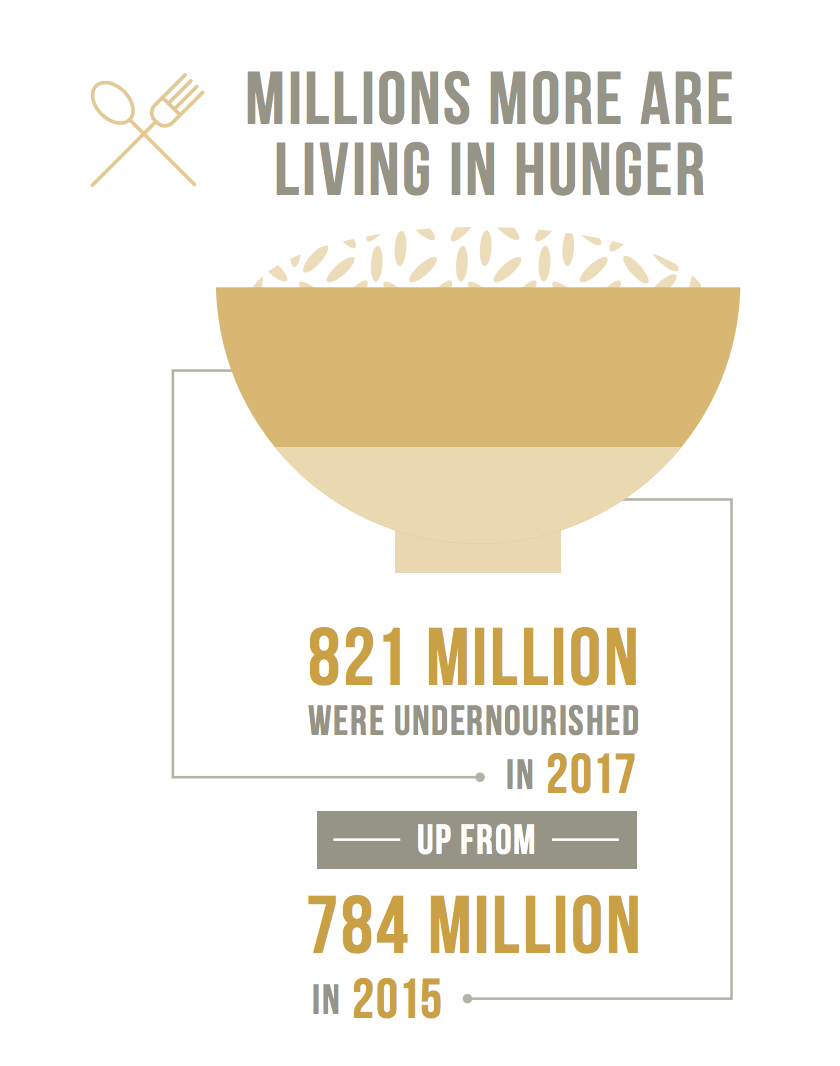
Despite progress in recent years, hunger remains a significant issue around the world. According to the UN, over 820 million people are currently undernourished. Achieving SDG 2 is not only a moral imperative but also essential for achieving sustainable development and ensuring a better future for all.
The Key Objectives of SDG 2:
- End Hunger: By ensuring access to safe, nutritious, and sufficient food all year round.
- Achieve Food Security: By promoting sustainable agricultural practices and supporting small-scale farmers.
- Improve Nutrition: By addressing malnutrition in all its forms, including stunting, wasting, and micronutrient deficiencies.
- Promote Sustainable Agriculture: By investing in agricultural research and technology to increase productivity while conserving natural resources.
The Link Between Zero Hunger and Other SDGs:
SDG 2 is interconnected with several other Sustainable Development Goals. For example:
- SDG 1 (No Poverty): Hunger is often linked to poverty, and addressing food insecurity is essential in breaking the cycle of poverty.
- SDG 3 (Good Health and Well-being): Proper nutrition is crucial for overall health and well-being.
- SDG 13 (Climate Action): Sustainable agriculture practices can help mitigate climate change impacts on food production.
The Role of Individuals and Governments:
Achieving SDG 2 requires collective action from individuals, governments, businesses, and civil society organisations. Individuals can contribute by reducing food waste, supporting local farmers, and making sustainable food choices. Governments play a crucial role in implementing policies that promote food security, invest in agricultural infrastructure, and support vulnerable populations.
In conclusion, UN Sustainable Development Goal 2: Zero Hunger is a critical goal that requires concerted efforts from all stakeholders. By working together towards ending hunger and promoting sustainable agriculture, we can build a more equitable and prosperous future for everyone.
Understanding UN Sustainable Development Goal 2: Key Questions and Insights
- What is UN Sustainable Development Goal 2?
- Why is SDG 2 important?
- How does SDG 2 aim to end hunger?
- What are the key objectives of SDG 2
- How is SDG 2 linked to other Sustainable Development Goals?
- What role do individuals play in achieving SDG 2?
- How can governments contribute to achieving SDG 2?
- What are the challenges in achieving Zero Hunger by 2030?
- How can businesses support the goals of SDG 2?
What is UN Sustainable Development Goal 2?
UN Sustainable Development Goal 2, also known as SDG 2, is a global initiative set by the United Nations to end hunger, achieve food security, improve nutrition, and promote sustainable agriculture by the year 2030. This goal recognises the fundamental importance of addressing hunger and malnutrition as key challenges in achieving sustainable development worldwide. By focusing on ensuring access to safe and nutritious food for all, supporting small-scale farmers, and promoting sustainable agricultural practices, SDG 2 aims to create a more food-secure and resilient future for communities around the world.
Why is SDG 2 important?
UN Sustainable Development Goal 2, which focuses on achieving Zero Hunger, is of paramount importance due to its direct impact on global well-being and sustainability. Hunger and malnutrition not only pose significant threats to human health and development but also hinder progress towards other Sustainable Development Goals. By addressing food insecurity, promoting sustainable agriculture, and improving nutrition, SDG 2 aims to create a world where everyone has access to safe, nutritious food. Achieving this goal is crucial for building resilient communities, reducing poverty, and ensuring a more sustainable future for generations to come.
How does SDG 2 aim to end hunger?
UN Sustainable Development Goal 2 (SDG 2) aims to end hunger by implementing a comprehensive set of strategies and initiatives. One key aspect of SDG 2 is ensuring access to safe, nutritious, and sufficient food for all individuals throughout the year. This involves promoting sustainable agricultural practices, supporting small-scale farmers, and investing in food security programmes. By addressing the root causes of hunger, such as poverty and lack of access to resources, SDG 2 seeks to create a more food-secure world where everyone has enough to eat. Through collaborative efforts and targeted interventions, SDG 2 aims to eradicate hunger and improve nutrition for a healthier and more sustainable future.
What are the key objectives of SDG 2
One frequently asked question regarding UN Sustainable Development Goal 2 is: “What are the key objectives of SDG 2?” The main objectives of SDG 2 include ending hunger by ensuring access to safe and nutritious food throughout the year, achieving food security by promoting sustainable agricultural practices and supporting small-scale farmers, improving nutrition by addressing malnutrition in all its forms, and promoting sustainable agriculture by investing in research and technology to increase productivity while conserving natural resources. These objectives are essential in addressing global hunger and malnutrition, as well as promoting a more sustainable and equitable food system for all.
How is SDG 2 linked to other Sustainable Development Goals?
UN Sustainable Development Goal 2, which focuses on Zero Hunger, is closely linked to several other Sustainable Development Goals (SDGs). Addressing hunger and promoting food security is essential for achieving various interconnected goals. For instance, SDG 1 (No Poverty) and SDG 3 (Good Health and Well-being) are directly impacted by SDG 2, as hunger is often intertwined with poverty and health outcomes. Additionally, sustainable agriculture practices advocated in SDG 2 contribute to SDG 13 (Climate Action) by helping mitigate the impacts of climate change on food production. Therefore, progress towards achieving Zero Hunger under SDG 2 plays a vital role in advancing the broader agenda of sustainable development across multiple fronts.
What role do individuals play in achieving SDG 2?
Individuals play a crucial role in achieving UN Sustainable Development Goal 2: Zero Hunger. By making conscious choices such as reducing food waste, supporting local farmers, and advocating for sustainable food practices, individuals can contribute to ensuring access to safe and nutritious food for all. Additionally, raising awareness about the importance of food security and nutrition can help mobilise communities and drive positive change towards a world where hunger is eradicated. Each person’s actions, no matter how small, collectively contribute to the larger goal of achieving SDG 2 and creating a more sustainable and equitable future for all.
How can governments contribute to achieving SDG 2?
Governments play a pivotal role in contributing to the achievement of UN Sustainable Development Goal 2: Zero Hunger. They can contribute by implementing policies that promote food security, investing in agricultural infrastructure, supporting small-scale farmers, and addressing the root causes of hunger and malnutrition. By prioritising sustainable agriculture practices, ensuring access to nutritious food for all citizens, and fostering international cooperation, governments can make significant strides towards ending hunger and achieving food security for all. Effective governance, strategic planning, and collaboration with stakeholders are essential for governments to drive positive change and progress towards SDG 2.
What are the challenges in achieving Zero Hunger by 2030?
Achieving Zero Hunger by 2030, as outlined in UN Sustainable Development Goal 2, faces several challenges that must be addressed to reach this ambitious target. One key challenge is the increasing impact of climate change on food production and distribution, leading to crop failures and food shortages in vulnerable regions. Additionally, conflict and political instability in certain areas disrupt food supply chains and hinder access to nutritious food for affected populations. Limited access to resources, inadequate infrastructure, and unequal distribution of wealth further exacerbate the issue of hunger globally. Overcoming these challenges requires coordinated efforts at local, national, and international levels to implement sustainable agricultural practices, improve food security policies, address social inequalities, and promote inclusive economic growth for a more food-secure future for all.
How can businesses support the goals of SDG 2?
Businesses play a crucial role in supporting the goals of SDG 2 by implementing sustainable practices throughout their operations. They can support SDG 2 by investing in local agricultural communities, promoting food security initiatives, reducing food waste along the supply chain, and ensuring fair wages and working conditions for farmers and food producers. By aligning their business strategies with the principles of sustainable agriculture and responsible consumption, businesses can contribute significantly to achieving zero hunger and promoting nutrition for all.