Affordable and Clean Energy – Sustainable Development Goal
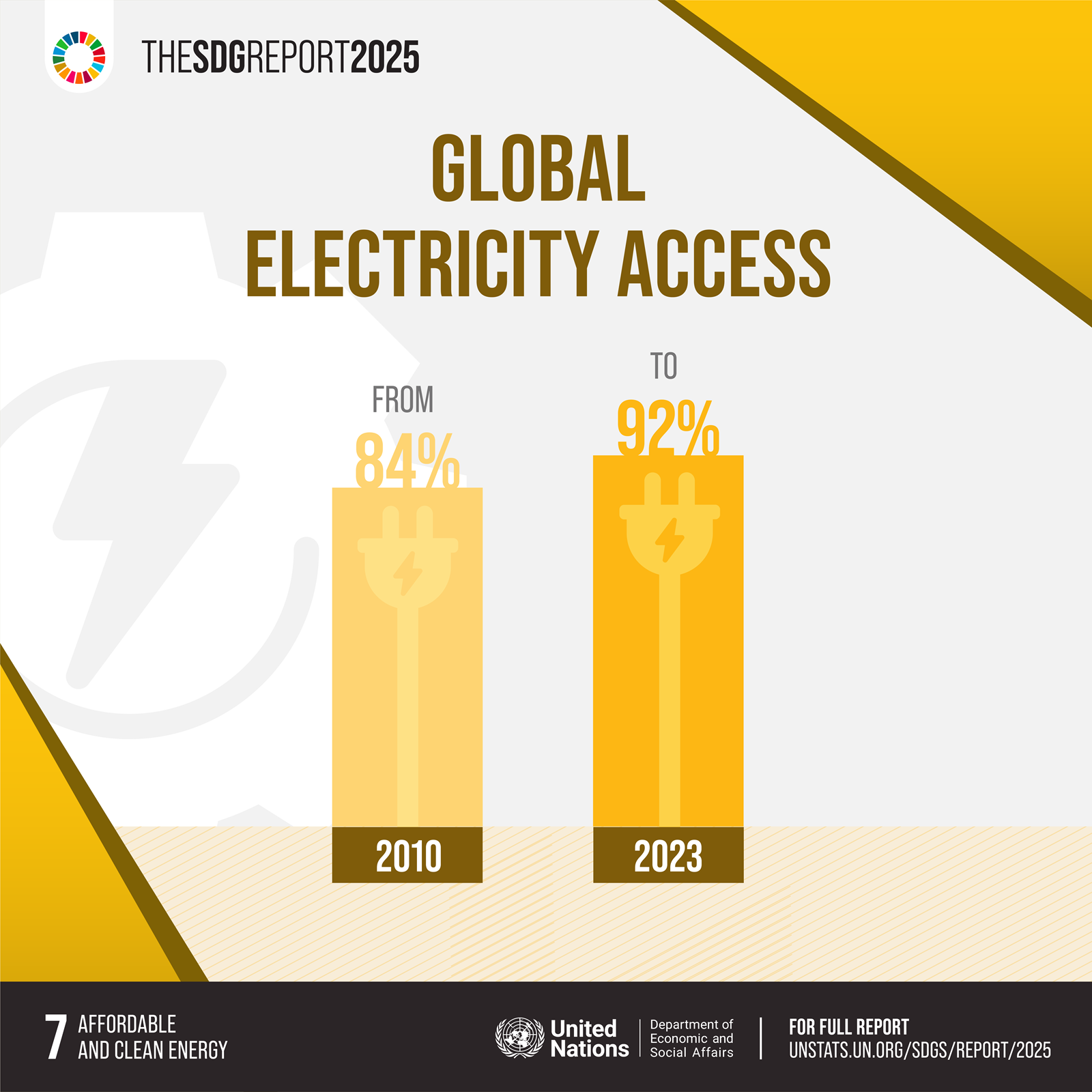
Access to affordable and clean energy is crucial for sustainable development and a key component of the United Nations’ Sustainable Development Goals (SDGs). Goal 7 of the SDGs focuses on ensuring access to affordable, reliable, sustainable, and modern energy for all.
Why is Affordable and Clean Energy Important?
Energy is essential for economic growth, improving living standards, and powering essential services such as healthcare and education. However, many people around the world still lack access to reliable energy sources. The use of traditional fuels like coal and wood not only contributes to air pollution but also exacerbates climate change.
The Benefits of Affordable and Clean Energy
Transitioning to affordable and clean energy sources such as solar, wind, hydroelectric, and geothermal power brings numerous benefits. These include reducing greenhouse gas emissions, improving air quality, creating jobs in the renewable energy sector, and enhancing energy security by diversifying energy sources.
Challenges to Achieving Goal 7
Despite the benefits of affordable and clean energy, there are challenges to achieving Goal 7. These include inadequate infrastructure in developing countries, limited investment in renewable energy projects, policy barriers, and the high initial costs associated with transitioning to clean energy sources.
What Can Be Done?
To achieve universal access to affordable and clean energy by 2030 as outlined in Goal 7 of the SDGs, governments, businesses, civil society organisations, and individuals must work together. This includes increasing investment in renewable energy projects, implementing supportive policies that promote clean energy adoption, raising awareness about the importance of sustainable energy practices, and fostering innovation in the renewable energy sector.
In Conclusion
Affordable and clean energy is not only essential for sustainable development but also for combating climate change and improving global health. By working towards Goal 7 of the SDGs, we can create a more sustainable future for all while ensuring that everyone has access to the benefits of modern energy services.
Eight Benefits of Affordable and Clean Energy: Advancing Sustainability and Economic Growth
- Reduces greenhouse gas emissions, mitigating climate change.
- Improves air quality by reducing pollution from traditional energy sources.
- Creates jobs in the renewable energy sector, contributing to economic growth.
- Enhances energy security by diversifying energy sources and reducing dependence on fossil fuels.
- Increases access to reliable and sustainable energy for underserved communities.
- Promotes technological innovation in the renewable energy sector.
- Helps meet the growing global demand for energy in a sustainable manner.
- Empowers individuals and communities to become more self-sufficient in meeting their energy needs.
Challenges in Achieving Affordable and Clean Energy: Addressing the Barriers to SDG 7 Progress
- High initial costs of transitioning to clean energy sources may be prohibitive for some communities.
- Intermittency of renewable energy sources like solar and wind can pose challenges in ensuring consistent power supply.
- Limited availability of suitable locations for renewable energy infrastructure such as wind farms and solar panels.
- Dependency on rare earth minerals for certain clean energy technologies may raise concerns about resource depletion.
- Resistance from vested interests in the fossil fuel industry can hinder the transition to affordable and clean energy sources.
- Lack of public awareness and education about the benefits of sustainable energy practices may slow progress towards Goal 7 of the SDGs.
Reduces greenhouse gas emissions, mitigating climate change.
Transitioning to affordable and clean energy sources, such as solar, wind, and hydroelectric power, offers a significant advantage in reducing greenhouse gas emissions and mitigating climate change. By shifting away from fossil fuels towards renewable energy sources, we can decrease our carbon footprint and lessen the impact of global warming on the planet. This proactive approach not only helps combat climate change but also contributes to a more sustainable and environmentally friendly future for generations to come.
Improves air quality by reducing pollution from traditional energy sources.
Transitioning to affordable and clean energy sources, such as solar, wind, and hydroelectric power, offers a significant advantage in improving air quality by decreasing pollution from traditional energy sources like coal and wood. By shifting towards renewable energy alternatives, we can reduce harmful emissions that contribute to air pollution and respiratory illnesses. This proactive approach not only promotes a healthier environment but also safeguards public health, making affordable and clean energy a vital component in achieving sustainable development goals.
Creates jobs in the renewable energy sector, contributing to economic growth.
The promotion of affordable and clean energy as outlined in the Sustainable Development Goal not only benefits the environment but also plays a crucial role in economic development by creating jobs in the renewable energy sector. By investing in renewable energy sources such as solar, wind, and hydroelectric power, countries can stimulate economic growth, foster innovation, and provide employment opportunities for a skilled workforce. This not only contributes to a more sustainable future but also boosts local economies and enhances overall prosperity.
Enhances energy security by diversifying energy sources and reducing dependence on fossil fuels.
Enhancing energy security through the diversification of energy sources and reducing reliance on fossil fuels is a key advantage of promoting affordable and clean energy as outlined in Sustainable Development Goal 7. By shifting towards renewable energy sources such as solar, wind, and hydroelectric power, countries can mitigate the risks associated with volatile fossil fuel markets and geopolitical tensions. Diversifying energy sources not only strengthens resilience to supply disruptions but also contributes to a more sustainable and environmentally friendly energy system for future generations.
Increases access to reliable and sustainable energy for underserved communities.
Increasing access to affordable and clean energy, as outlined in Sustainable Development Goal 7, brings the significant advantage of providing underserved communities with reliable and sustainable energy sources. By transitioning to renewable energy sources such as solar and wind power, these communities can overcome the challenges of unreliable traditional fuels and gain access to a more stable and environmentally friendly energy supply. This not only improves their quality of life but also contributes to overall economic development and resilience in the face of climate change impacts.
Promotes technological innovation in the renewable energy sector.
Promoting technological innovation in the renewable energy sector is a significant advantage of achieving affordable and clean energy as outlined in Sustainable Development Goal 7. By investing in and adopting renewable energy sources such as solar, wind, and hydroelectric power, countries can drive advancements in technology, leading to more efficient and sustainable energy solutions. This not only helps reduce greenhouse gas emissions but also creates opportunities for economic growth and job creation in the renewable energy industry. Embracing clean energy technologies paves the way for a greener future while fostering innovation that benefits both the environment and society as a whole.
Helps meet the growing global demand for energy in a sustainable manner.
Affordable and clean energy, as outlined in the Sustainable Development Goal, plays a crucial role in meeting the increasing global demand for energy in a sustainable manner. By promoting the use of renewable energy sources such as solar, wind, and hydroelectric power, we can ensure that the growing energy needs of society are met without compromising the environment or depleting finite resources. This proactive approach not only addresses current energy demands but also paves the way for a more sustainable and resilient energy future for generations to come.
Empowers individuals and communities to become more self-sufficient in meeting their energy needs.
Affordable and clean energy, as outlined in the Sustainable Development Goal, empowers individuals and communities to become more self-sufficient in meeting their energy needs. By transitioning to renewable energy sources such as solar or wind power, households and communities can reduce their reliance on traditional fossil fuels and grid-based electricity. This not only leads to cost savings in the long run but also increases resilience against power outages and fluctuations in energy prices. Additionally, localised renewable energy systems can foster a sense of ownership and empowerment within communities, enabling them to take control of their energy future and contribute to a more sustainable environment.
High initial costs of transitioning to clean energy sources may be prohibitive for some communities.
The high initial costs associated with transitioning to clean energy sources may pose a significant challenge for some communities. While the long-term benefits of affordable and clean energy are clear, the upfront investment required for infrastructure development and technology adoption can be prohibitive for communities with limited financial resources. This financial barrier may hinder the progress towards achieving universal access to sustainable energy and highlight the need for innovative financing mechanisms and support programmes to ensure that all communities can benefit from clean energy solutions in a cost-effective manner.
Intermittency of renewable energy sources like solar and wind can pose challenges in ensuring consistent power supply.
The intermittency of renewable energy sources such as solar and wind presents a significant challenge in maintaining a consistent power supply. Unlike traditional fossil fuels, which can provide continuous energy output, solar and wind power generation is dependent on weather conditions and daylight hours. This variability can lead to fluctuations in energy production, requiring efficient storage solutions and backup systems to ensure a reliable and stable electricity supply. Addressing the issue of intermittency is crucial for the widespread adoption of affordable and clean energy sources to meet the goals of sustainable development.
Limited availability of suitable locations for renewable energy infrastructure such as wind farms and solar panels.
One significant challenge in achieving the Affordable and Clean Energy Sustainable Development Goal is the limited availability of suitable locations for renewable energy infrastructure, such as wind farms and solar panels. Identifying appropriate sites for these installations can be a complex process, considering factors such as land use, environmental impact, and community acceptance. The scarcity of suitable locations may hinder the expansion of renewable energy projects, making it more challenging to meet the growing demand for clean energy sources. Efforts to address this con involve innovative solutions in urban planning, technology advancements for more efficient energy production, and strategic collaborations to maximise the use of available spaces for renewable energy infrastructure.
Dependency on rare earth minerals for certain clean energy technologies may raise concerns about resource depletion.
Dependency on rare earth minerals for certain clean energy technologies may raise concerns about resource depletion. These minerals are essential components in technologies such as solar panels, wind turbines, and electric vehicle batteries. As demand for these technologies grows to achieve affordable and clean energy goals, there is a risk of overexploitation of limited rare earth mineral resources. This could lead to environmental damage, geopolitical tensions over resource access, and increased costs for clean energy technologies. Finding sustainable ways to source and recycle these minerals is crucial to mitigate the conundrum of resource depletion while advancing towards a cleaner energy future.
Resistance from vested interests in the fossil fuel industry can hinder the transition to affordable and clean energy sources.
Resistance from vested interests in the fossil fuel industry can pose a significant challenge to the transition towards affordable and clean energy sources. The powerful influence and economic stake held by fossil fuel companies can impede progress towards sustainable energy solutions. Lobbying efforts, political influence, and reluctance to shift away from established profit-driven models can slow down the adoption of renewable energy technologies and policies. Overcoming this con requires strong regulatory frameworks, public awareness campaigns, and collaborative efforts to counteract vested interests and accelerate the global transition to a cleaner and more sustainable energy future.
Lack of public awareness and education about the benefits of sustainable energy practices may slow progress towards Goal 7 of the SDGs.
A significant drawback in achieving Goal 7 of the Sustainable Development Goals is the lack of public awareness and education regarding the advantages of sustainable energy practices. Without adequate knowledge about the benefits of transitioning to clean energy sources, individuals and communities may be less inclined to support initiatives aimed at achieving affordable and clean energy for all. This lack of awareness could impede progress towards Goal 7 and hinder efforts to create a more sustainable and environmentally friendly future for all.