Understanding UN Sustainable Development Goals Targets
The United Nations Sustainable Development Goals (SDGs) are a set of 17 global goals designed to be a “blueprint to achieve a better and more sustainable future for all”. Each goal has specific targets to be achieved by 2030. Let’s delve into some of these targets:
Goal 1: No Poverty
Target 1.2 aims to reduce at least by half the proportion of men, women, and children of all ages living in poverty in all its dimensions according to national definitions.
Goal 3: Good Health and Well-being
Target 3.4 focuses on reducing premature mortality from non-communicable diseases through prevention and treatment and promoting mental health and well-being.
Goal 7: Affordable and Clean Energy
Target 7.2 aims to increase substantially the share of renewable energy in the global energy mix.
Goal 12: Responsible Consumption and Production
Target 12.5 calls for substantial reduction of waste generation through prevention, reduction, recycling, and reuse.
Goal 16: Peace, Justice, and Strong Institutions
Target 16.10 focuses on ensuring public access to information and protecting fundamental freedoms in accordance with national legislation and international agreements.
These are just a few examples of the targets set by the UN SDGs. Achieving these targets requires collaborative efforts from governments, businesses, civil society, and individuals worldwide.
Seven Advantages of UN SDG Targets: Guiding Global Sustainable Development
- Provide a clear roadmap for global sustainable development efforts.
- Address a wide range of interconnected issues, promoting holistic solutions.
- Encourage collaboration and partnerships among governments, businesses, and communities.
- Empower individuals to take action towards a more sustainable future.
- Set measurable targets that hold countries accountable for their progress.
- Promote social inclusion and equality by focusing on vulnerable populations.
- Raise awareness about pressing global challenges and the need for collective action.
Challenges in Achieving UN SDG Targets: Ambition, Funding, and Measurement Issues
- Some UN SDG targets may be overly ambitious and challenging to achieve within the set timeframe of 2030.
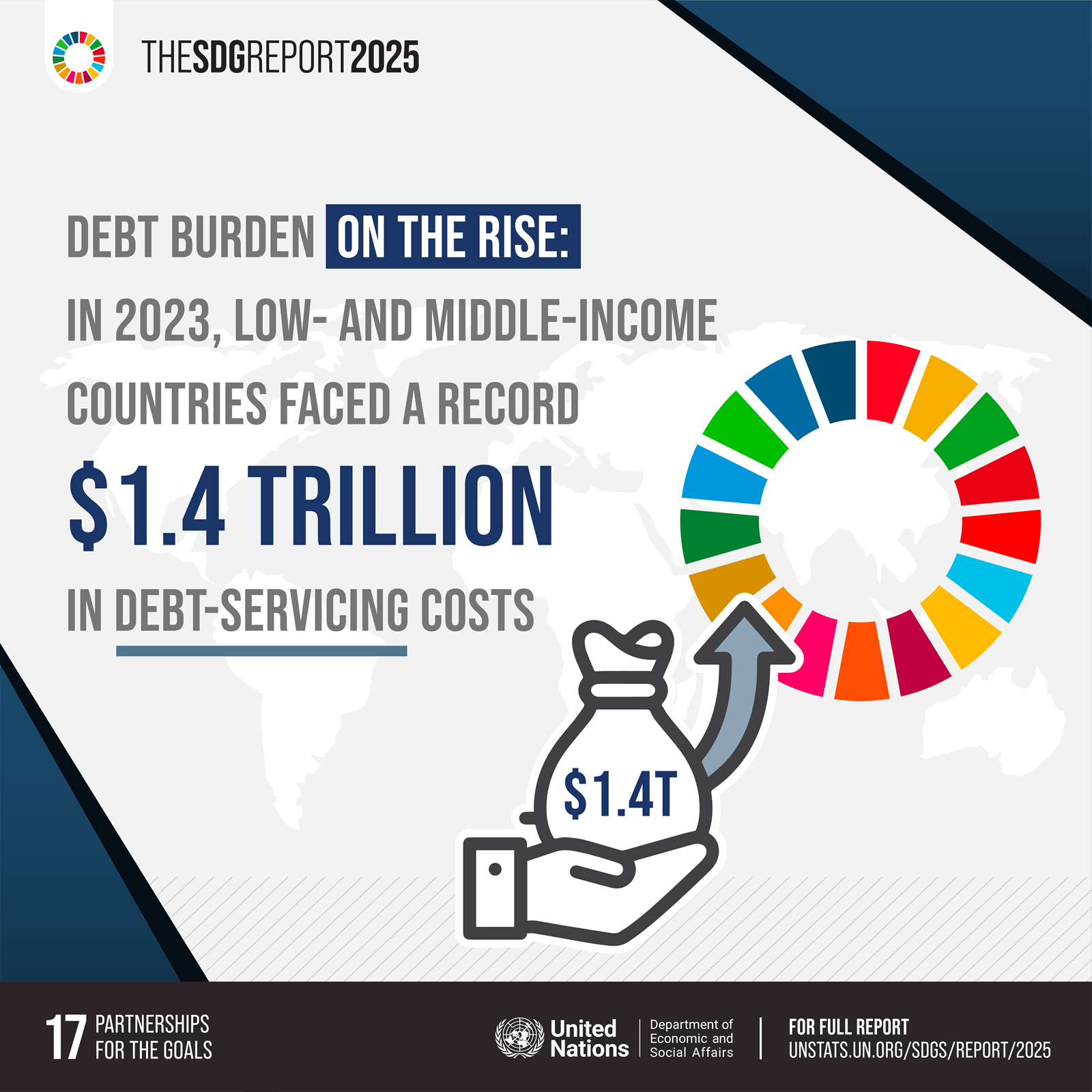
- Implementation of UN SDG targets requires significant financial resources, which may pose a challenge for developing countries with limited budgets.
- Monitoring and measuring progress towards achieving UN SDG targets can be complex and may require improved data collection and reporting mechanisms.
Provide a clear roadmap for global sustainable development efforts.
One key advantage of the UN Sustainable Development Goals (SDGs) is that they provide a clear roadmap for global sustainable development efforts. By outlining specific goals and targets to be achieved by 2030, the SDGs offer a structured framework that guides countries, organisations, and individuals towards a more sustainable future. This clarity helps align priorities, mobilise resources, and track progress effectively, fostering coordinated action on a global scale to address pressing environmental, social, and economic challenges.
Address a wide range of interconnected issues, promoting holistic solutions.
The strength of UN Sustainable Development Goals targets lies in their ability to address a wide range of interconnected issues, promoting holistic solutions. By recognising the complex and interdependent nature of global challenges, these targets encourage a comprehensive approach that considers the social, economic, and environmental dimensions of sustainability. This holistic perspective fosters integrated solutions that can have a more profound and lasting impact on the world’s most pressing problems.
Encourage collaboration and partnerships among governments, businesses, and communities.
One significant advantage of UN Sustainable Development Goals targets is their ability to foster collaboration and partnerships among governments, businesses, and communities. By promoting cooperation on a global scale, these targets create a platform for shared responsibility and collective action towards achieving sustainable development. This collaborative approach ensures that diverse stakeholders work together towards common goals, pooling resources, expertise, and efforts to address complex challenges effectively and inclusively. It recognises that no single entity can tackle these issues alone, emphasising the importance of working together for the greater good of present and future generations.
Empower individuals to take action towards a more sustainable future.
One significant advantage of UN Sustainable Development Goals targets is their ability to empower individuals to take action towards a more sustainable future. By outlining clear objectives and priorities, these targets provide a roadmap for people from all walks of life to contribute meaningfully to global sustainability efforts. Whether through advocacy, lifestyle changes, or community initiatives, the SDG targets inspire and guide individuals in making a positive impact on the environment and society, fostering a sense of responsibility and agency in creating a better world for present and future generations.
Set measurable targets that hold countries accountable for their progress.
One key advantage of the UN Sustainable Development Goals (SDGs) is their ability to set measurable targets that hold countries accountable for their progress. By establishing specific and quantifiable goals, the SDGs provide a clear framework for monitoring and evaluating each nation’s efforts towards sustainable development. This accountability mechanism not only encourages transparency and tracking of progress but also fosters a sense of responsibility among countries to actively work towards achieving these targets within the specified timeframe.
Promote social inclusion and equality by focusing on vulnerable populations.
The UN Sustainable Development Goals targets play a crucial role in promoting social inclusion and equality by prioritising the needs of vulnerable populations. By specifically addressing the challenges faced by marginalised groups, such as women, children, persons with disabilities, and refugees, the SDGs aim to ensure that no one is left behind in the pursuit of sustainable development. This targeted approach not only uplifts those most in need but also fosters a more inclusive and equitable society for all.
Raise awareness about pressing global challenges and the need for collective action.
One significant advantage of the UN Sustainable Development Goals (SDGs) is their ability to raise awareness about pressing global challenges and the urgent need for collective action. By outlining specific targets related to poverty, health, education, climate change, and more, the SDGs serve as a powerful tool to highlight the interconnectedness of global issues and the importance of collaborative efforts in addressing them. Through promoting awareness and encouraging joint action on a global scale, the SDGs inspire individuals, communities, governments, and organisations to work together towards a more sustainable and equitable future for all.
Some UN SDG targets may be overly ambitious and challenging to achieve within the set timeframe of 2030.
Some UN Sustainable Development Goals targets may face criticism for being overly ambitious and challenging to achieve within the set timeframe of 2030. The complexity and scale of certain goals, such as eradicating poverty or achieving gender equality, present significant hurdles that require long-term strategies and substantial resources. Meeting these targets demands not only political will and international cooperation but also sustained commitment from all stakeholders involved. As we navigate towards a more sustainable future, it is crucial to address these challenges realistically while striving for meaningful progress in line with the overarching vision of the SDGs.
Implementation of UN SDG targets requires significant financial resources, which may pose a challenge for developing countries with limited budgets.
The implementation of UN Sustainable Development Goals targets presents a significant challenge, particularly for developing countries with constrained budgets. Achieving these targets often demands substantial financial resources for infrastructure development, capacity building, and sustainable initiatives. The financial burden can strain the already limited resources of developing nations, making it difficult to allocate funds towards meeting the ambitious goals set by the UN. As a result, finding innovative financing mechanisms and international cooperation becomes crucial in ensuring that all countries, regardless of their economic status, can progress towards a more sustainable future in line with the SDGs.
Monitoring and measuring progress towards achieving UN SDG targets can be complex and may require improved data collection and reporting mechanisms.
Monitoring and measuring progress towards achieving UN SDG targets can pose a significant challenge due to the complexity involved in data collection and reporting. In many cases, existing data may be insufficient or unreliable, making it difficult to accurately track advancements towards the set goals. Improving data collection methods and establishing robust reporting mechanisms are essential to ensure that progress is effectively measured and evaluated. Without reliable data, it becomes challenging to identify areas that require attention and allocate resources efficiently to achieve the desired outcomes outlined in the UN SDGs.