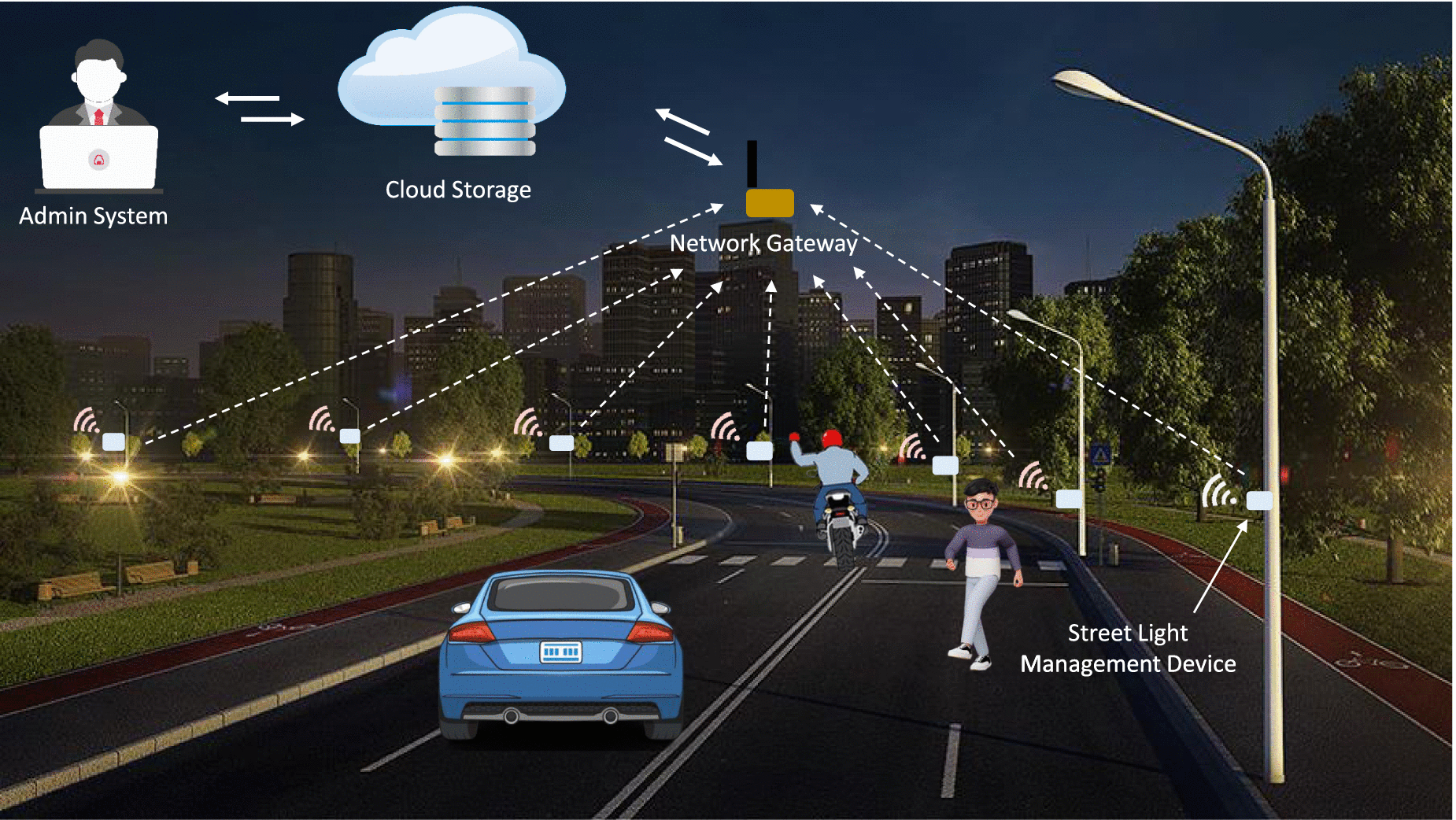
The Future of Illumination: Smart Street Lighting
In today’s rapidly evolving world, technology is revolutionising every aspect of our lives, including the way we illuminate our streets. Smart street lighting is a cutting-edge solution that offers numerous benefits for both urban environments and the people who inhabit them.
Efficiency and Sustainability
One of the key advantages of smart street lighting is its energy efficiency. By using sensors and intelligent controls, these systems can adjust the brightness of lights based on real-time conditions such as traffic flow or natural light levels. This not only reduces energy consumption but also lowers operational costs and carbon emissions, making it a more sustainable option for cities.
Enhanced Safety and Security
Smart street lighting contributes to improved safety and security in urban areas. With features like motion sensors and remote monitoring capabilities, these systems can detect unusual activities and provide better visibility at night. By creating well-lit environments, smart street lighting helps deter crime and enhance public safety.
Data-driven Insights
Another significant benefit of smart street lighting is its ability to collect valuable data about urban environments. By integrating with smart city platforms, these systems can gather information on traffic patterns, air quality, noise levels, and more. This data can then be used to make informed decisions about urban planning, resource allocation, and infrastructure development.
Customisation and Flexibility
Smart street lighting offers a high degree of customisation and flexibility to meet the specific needs of different locations. From adjusting light levels based on pedestrian activity to scheduling maintenance tasks remotely, these systems provide city authorities with greater control over their lighting infrastructure. This adaptability ensures that lighting solutions are tailored to the unique requirements of each area.
The Road Ahead
As technology continues to advance, smart street lighting is poised to play an even more significant role in shaping the future of urban illumination. With its focus on efficiency, sustainability, safety, and data-driven insights, this innovative solution represents a bright path forward for cities looking to create smarter and more liveable environments for their residents.
Smart Street Lighting: Enhancing Safety, Sustainability, and Efficiency in Urban Areas
- Energy-efficient, reducing electricity consumption and costs
- Enhances safety by providing better visibility in urban areas
- Customisable features allow for tailored lighting solutions
- Contributes to sustainability efforts by lowering carbon emissions
- Integrates with smart city platforms for data-driven insights
- Remote monitoring and control capabilities for efficient maintenance
Challenges and Concerns Surrounding Smart Street Lighting: Costs, Privacy, and Infrastructure
- High initial installation costs
- Dependency on reliable internet connectivity
- Potential privacy concerns due to data collection capabilities
- Risk of cyber attacks on interconnected systems
- Limited compatibility with existing infrastructure in some areas
- Maintenance and repair costs for complex smart lighting systems
- Challenges in ensuring equal distribution of smart lighting benefits across all communities
Energy-efficient, reducing electricity consumption and costs
Smart street lighting offers a compelling advantage in its energy efficiency, significantly reducing electricity consumption and costs. By utilising sensors and intelligent controls, these systems can adjust the brightness of lights based on real-time conditions, thereby minimising unnecessary energy usage. This not only helps cities lower their carbon footprint but also leads to substantial savings in operational expenses. The ability to optimise energy consumption makes smart street lighting a sustainable and cost-effective solution for urban environments.
Enhances safety by providing better visibility in urban areas
Smart street lighting plays a crucial role in enhancing safety by offering improved visibility in urban areas. With the ability to adjust brightness levels based on real-time conditions, these intelligent lighting systems ensure that streets are well-lit, creating a safer environment for pedestrians and motorists alike. By illuminating dark corners and alleys, smart street lighting helps to deter crime and accidents, ultimately contributing to a more secure and welcoming urban landscape.
Customisable features allow for tailored lighting solutions
The customisable features of smart street lighting systems enable the implementation of tailored lighting solutions to meet the specific needs of diverse urban environments. By adjusting light levels based on factors such as pedestrian activity, traffic flow, and time of day, cities can optimise energy usage and enhance visibility where and when it is most needed. This flexibility ensures that lighting solutions are not only efficient but also responsive to the unique requirements of each location, contributing to a more adaptable and sustainable urban lighting infrastructure.
Contributes to sustainability efforts by lowering carbon emissions
Smart street lighting plays a crucial role in sustainability efforts by significantly reducing carbon emissions. Through the implementation of energy-efficient technologies and intelligent controls, smart lighting systems can optimise energy consumption and minimise waste. By lowering carbon emissions, these innovative solutions not only help combat climate change but also contribute to creating cleaner and healthier urban environments for present and future generations.
Integrates with smart city platforms for data-driven insights
Smart street lighting offers a compelling advantage by seamlessly integrating with smart city platforms to provide valuable data-driven insights. By collecting and analysing data on various urban parameters such as traffic flow, air quality, and noise levels, these systems enable city authorities to make informed decisions for better urban planning and resource management. This integration not only enhances the efficiency of street lighting but also contributes to creating more sustainable and liveable cities by leveraging data to drive positive changes in the urban landscape.
Remote monitoring and control capabilities for efficient maintenance
Smart street lighting offers the invaluable advantage of remote monitoring and control capabilities, enabling efficient maintenance practices. By utilising sensors and advanced technology, city authorities can remotely monitor the performance of street lights in real-time, allowing for proactive maintenance to address issues promptly. This not only reduces downtime and energy wastage but also enhances overall system reliability and longevity. With the ability to adjust settings and diagnose problems remotely, smart street lighting systems streamline maintenance processes, ensuring that urban areas are well-lit and safe for residents and visitors alike.
High initial installation costs
One significant drawback of smart street lighting is the high initial installation costs involved in implementing these advanced systems. The sophisticated technology, sensors, and control mechanisms required for smart street lighting come with a substantial price tag, which can be a barrier for many cities and municipalities with limited budgets. While the long-term benefits in terms of energy savings and operational efficiency are promising, the upfront investment needed to upgrade to smart lighting solutions can be prohibitive for some urban areas, posing a challenge to widespread adoption and deployment of this innovative technology.
Dependency on reliable internet connectivity
One notable drawback of smart street lighting is its dependency on reliable internet connectivity. As these systems rely on data transmission and remote monitoring capabilities, any disruptions in internet service can potentially impact their functionality. In areas with unreliable or limited internet access, the effectiveness of smart street lighting may be compromised, leading to issues such as delayed response times to sensor inputs or difficulties in managing and controlling the lighting infrastructure. This dependency highlights the importance of robust connectivity infrastructure to ensure the seamless operation of smart street lighting systems.
Potential privacy concerns due to data collection capabilities
Smart street lighting, despite its many advantages, raises potential privacy concerns due to its data collection capabilities. With the ability to gather information on activities and movements in urban areas, there is a risk of infringing on individuals’ privacy rights. The data collected by smart street lighting systems could be used in ways that compromise personal privacy or even lead to surveillance issues. As cities embrace this technology, it is crucial to address these concerns through transparent policies and robust data protection measures to safeguard the privacy of residents while still reaping the benefits of smart illumination.
Risk of cyber attacks on interconnected systems
One concerning drawback of smart street lighting systems is the increased vulnerability to cyber attacks due to their interconnected nature. As these systems rely on network connectivity and data exchange, they become potential targets for malicious actors seeking to disrupt essential services or compromise sensitive information. The risk of cyber attacks on smart street lighting infrastructure highlights the importance of robust cybersecurity measures and constant vigilance to safeguard against potential threats and ensure the continued reliability and functionality of urban lighting networks.
Limited compatibility with existing infrastructure in some areas
One significant drawback of smart street lighting is its limited compatibility with existing infrastructure in certain areas. Retrofitting traditional lighting systems with smart technology can be challenging and costly, especially in older urban environments where the infrastructure may not support the necessary connectivity or power requirements. This can create barriers to implementing smart street lighting solutions in these locations, hindering the potential benefits of energy efficiency and data-driven insights that such systems offer. Addressing these compatibility issues will be crucial to ensuring the widespread adoption of smart street lighting across all urban landscapes.
Maintenance and repair costs for complex smart lighting systems
One notable drawback of smart street lighting systems is the potential increase in maintenance and repair costs due to their complexity. Unlike traditional lighting infrastructure, smart systems involve intricate components such as sensors, controllers, and connectivity devices that require regular monitoring and upkeep. The need for specialised technicians and advanced troubleshooting methods can result in higher maintenance expenses over time. Additionally, the rapid pace of technological advancements may lead to compatibility issues or the need for frequent upgrades, further adding to the overall maintenance burden of these sophisticated lighting solutions.
Challenges in ensuring equal distribution of smart lighting benefits across all communities
One significant challenge associated with smart street lighting is the potential for unequal distribution of its benefits across different communities. While these advanced lighting systems offer numerous advantages such as energy efficiency, enhanced safety, and data-driven insights, there is a risk that certain communities may not have equal access to these benefits. Factors such as budget constraints, technological infrastructure, and urban planning priorities can influence the deployment of smart street lighting, potentially leaving some areas with outdated or inadequate lighting solutions. Ensuring equitable distribution of these benefits requires careful consideration and proactive measures to address disparities and promote inclusivity in urban development initiatives.