Examples of Civic Engagement
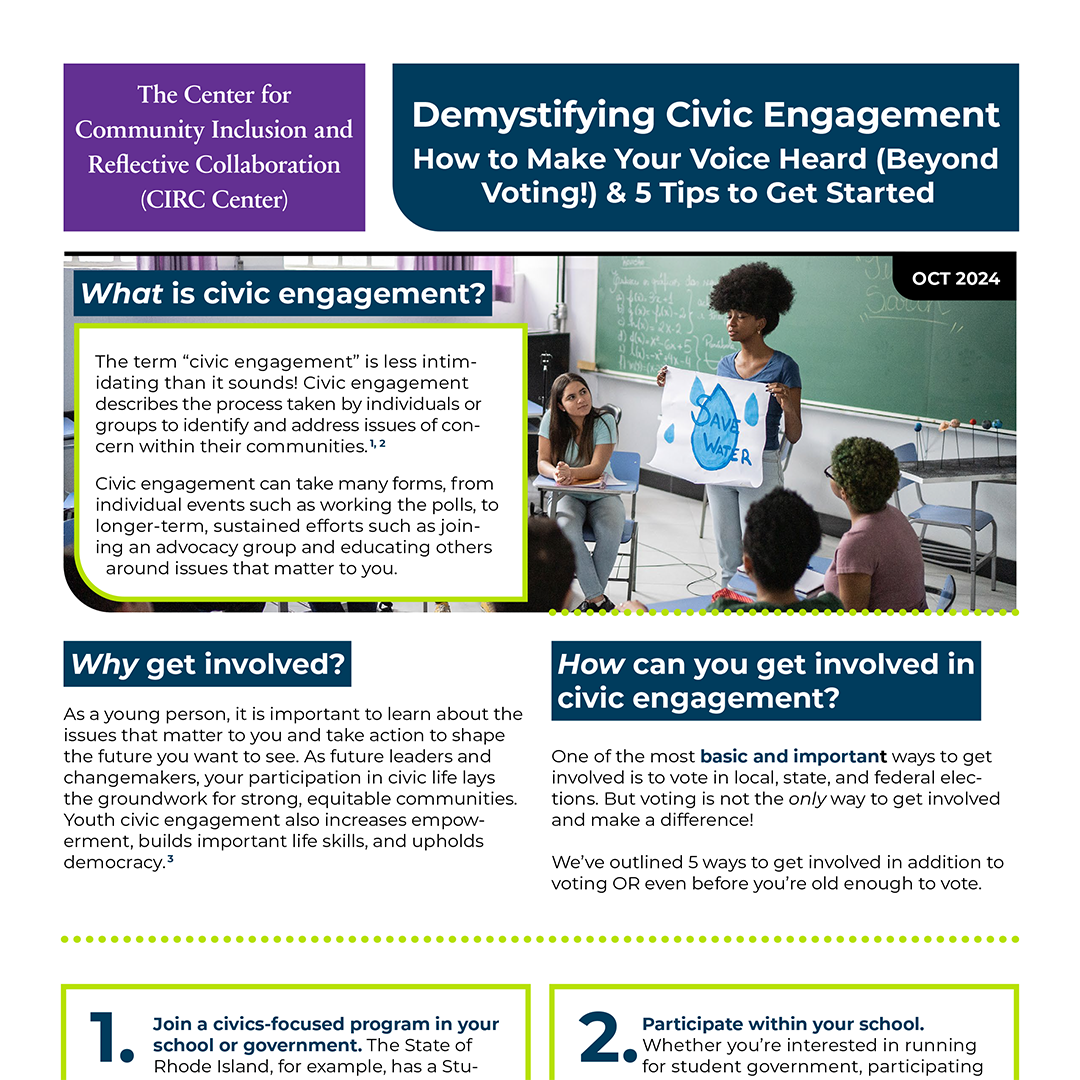
Civic engagement is the way people take part in the life of their community and help shape the decisions that affect it. It can involve working with neighbours, contributing to local projects, contacting elected representatives or taking part in public discussions. Civic engagement is not limited to voting: it includes many everyday actions that help communities identify needs and bring about change.
Taking part in local decision-making
Residents can influence decisions by attending council meetings, responding to public consultations or joining a neighbourhood forum. For example, people might comment on plans for a new housing development, suggest improvements to a town centre or raise concerns about road safety. These activities give decision-makers a better understanding of local priorities.
Voting and standing for office
Voting in local, regional and national elections is one of the most familiar forms of civic engagement. It allows people to choose representatives and express their views on public issues. Those who want to contribute more directly might stand for election, serve as a school governor or become a representative on a residents’ association.
Volunteering in the community
Volunteering is a practical way to support local people and services. Examples include helping at a food bank, mentoring young people, visiting older residents, supporting a community centre or taking part in a neighbourhood clean-up. These efforts can meet immediate needs while strengthening relationships between people who live in the same area.
Joining a community group
Community groups bring people together around a shared interest or concern. A residents’ association might campaign for safer streets, while a local environmental group could organise tree planting or monitor air quality. Joining a group can help individuals share knowledge, pool resources and make their concerns more visible.
Campaigning and raising awareness
People can campaign for changes they believe would benefit their community. This might involve signing or organising a petition, writing to a councillor, attending a peaceful demonstration or sharing reliable information about an issue. Campaigns are often most effective when they set out a clear goal and give decision-makers specific, practical recommendations.
Helping to shape public services
Civic engagement can also mean working with public services to improve how they operate. Residents may take part in a school parent group, contribute to a library’s community programme or give feedback on local health services. In some areas, people help decide how a portion of public funding should be spent through participatory budgeting.
Using digital tools responsibly
Online platforms make it easier to find information, take part in consultations and connect with local groups. Residents might report a broken streetlight, follow council updates or join a virtual meeting. Digital participation can widen access, although it works best when information is accurate and people also have offline ways to get involved.
Small actions can make a difference
Civic engagement does not have to involve a major campaign or a formal role. Reporting a local problem, sharing useful information with neighbours or attending one public meeting can be a valuable first step. When people participate consistently and work together, they can help create communities that are more responsive, inclusive and resilient.
Six Ways to Actively Participate in Civic Engagement
- Vote in local and national elections.
- Attend a council meeting and share your views.
- Volunteer with a local charity or community group.
- Sign or start a petition about an issue you care about.
- Join a neighbourhood clean-up or community project.
- Contact your MP or councillor about a local concern.
Vote in local and national elections.
Voting in local and national elections is one of the most direct ways to take part in civic life. Your vote helps choose the people who make decisions about public services, transport, housing, education and other issues that affect daily life. Before election day, find out who is standing and what they propose, then make sure you are registered and know how and where to vote.
Attend a council meeting and share your views.
Attending a council meeting is a straightforward way to take part in local decision-making and make your views heard. Check your council’s website for meeting dates, agendas and information about how residents can speak or submit questions. You could raise an issue that matters to your community, such as safer streets, housing or public spaces, and explain how proposed decisions may affect local people. Even listening to the discussion can help you understand how the council works and what steps you can take next.
Volunteer with a local charity or community group.
Volunteering with a local charity or community group is a practical way to support people and causes close to home. You could help at a food bank, take part in a neighbourhood clean-up, mentor young people or assist at a community event. Choose a role that suits your interests and availability, and ask local organisations how you can get involved. Even a small, regular contribution can make a real difference while helping you meet neighbours and build stronger community connections.
Sign or start a petition about an issue you care about.
Signing a petition is a simple way to show support for an issue and demonstrate that others share your concern. If no suitable petition exists, you could start one yourself: explain the problem clearly, set out the change you want and direct it to the person or organisation with the power to act. Share it through local groups and online networks, and keep supporters updated on any response or progress.
Join a neighbourhood clean-up or community project.
Joining a neighbourhood clean-up or community project is a simple, practical way to make a positive difference locally. You could help clear litter from a park, plant flowers in a shared space or support a community garden. These activities improve the area while bringing neighbours together, building connections and encouraging a shared sense of pride and responsibility.
Contact your MP or councillor about a local concern.
Contacting your MP or councillor is a straightforward way to raise a local concern and ask for action. Explain the issue clearly, describe how it affects you or your community, and include any relevant details, such as its location or when it occurs. You could write about safer streets, public transport, housing or local services. A concise, polite message with a specific request makes it easier for your representative to understand the problem and respond.