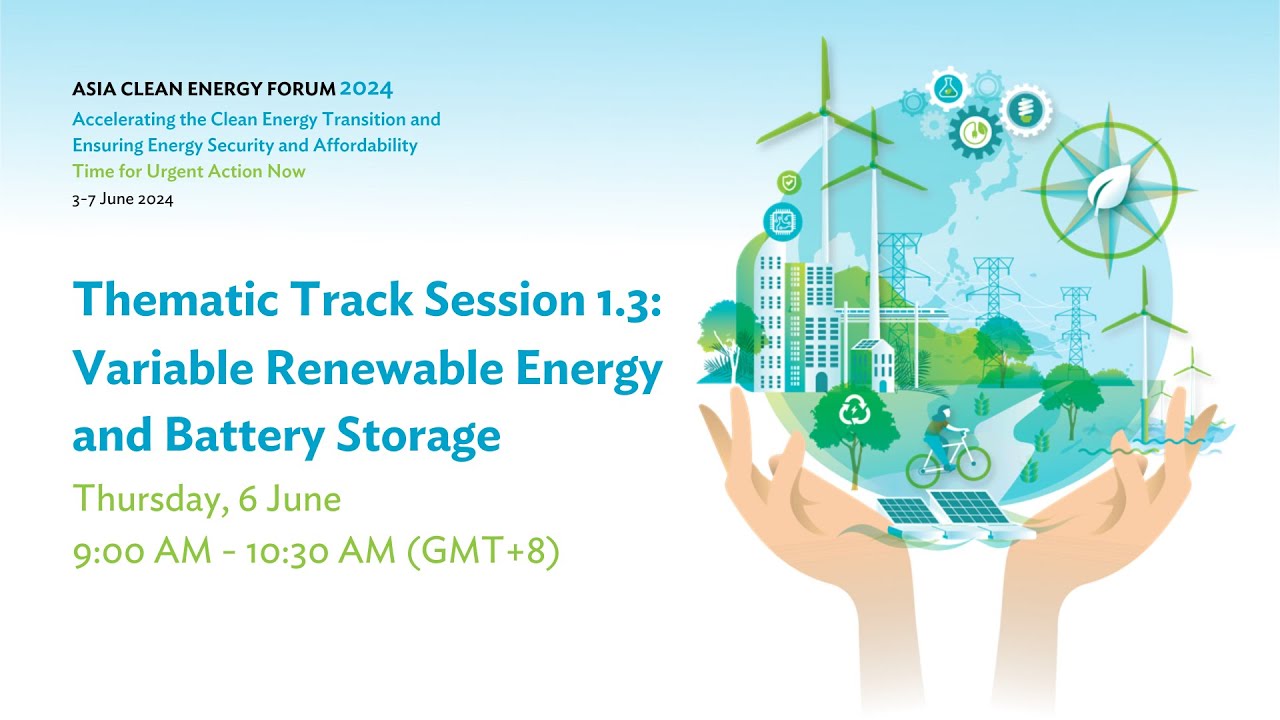
Variable Renewable Energy: Powering a Flexible, Low-Carbon Future
Variable renewable energy (VRE) comes from sources whose output changes with weather and natural conditions. The two most common examples are wind and solar power. Wind turbines generate electricity when the wind blows, while solar panels produce more during daylight and less when skies are cloudy. Their output can be forecast, but it cannot be controlled in the same way as electricity from a conventional power station.
As countries seek to cut greenhouse gas emissions and strengthen energy security, wind and solar are playing an increasingly important role. They produce electricity without burning fuel, and their operating costs are generally low once projects are built. But using more VRE also changes how electricity systems must be planned and operated.
Why is it called “variable”?
“Variable” describes changes in output over time, not a complete absence of predictability. Weather forecasts help system operators estimate how much wind and solar power will be available hours or days ahead. Output also follows familiar patterns: solar generation tends to rise during the day and fall after sunset, while wind conditions vary by location and season.
Because wind and sunshine do not always match demand, a power system with a high share of VRE needs ways to balance supply and consumption. The task is to keep electricity flowing reliably at every moment, including during calm periods, after dark and when demand is particularly high.
How electricity systems adapt
No single technology provides all the flexibility required. Instead, reliable systems combine several approaches:
- Energy storage: Batteries can store surplus electricity and release it when demand rises or generation falls. Other forms of storage, including pumped hydro, can provide different durations of support.
- Flexible demand: Some electricity use can be shifted to times when renewable generation is plentiful. For example, electric vehicle charging or certain industrial processes may be scheduled more flexibly.
- Stronger networks: Connecting regions helps move electricity from areas with high generation to areas where it is needed. Interconnectors can also allow neighbouring electricity systems to share resources.
- Flexible generation: Power stations and other low-carbon sources that can adjust their output may help balance the system when wind and solar production change.
- Better forecasting and system management: Accurate forecasts and responsive markets help operators plan ahead and respond to changing conditions.
These measures work best together. For instance, a windy region may generate more electricity than it needs at one time, while another region is experiencing higher demand. A well-connected grid can move that power where it is useful, while storage and flexible demand help manage any remaining imbalance.
Making the most of renewable electricity
At times, wind and solar farms may be asked to reduce their output because the network cannot transport all the electricity, demand is low, or other constraints arise. This is known as curtailment. Some curtailment can be a practical part of operating a system, but persistently high levels may indicate a need for more grid capacity, storage or flexible demand.
Planning is therefore essential. New renewable projects need suitable locations, timely connections to the electricity network and consideration of environmental and community impacts. Investment in transmission and distribution networks can take years, so it needs to keep pace with the growth of generation and electrification.
A central part of the energy transition
Variable renewable energy is not a complete solution on its own, nor does its variability make it unreliable by definition. Reliability depends on the design and operation of the whole electricity system. With a diverse mix of generation, storage, flexible demand, robust networks and effective planning, wind and solar can supply a substantial share of electricity while helping reduce emissions.
The transition is not simply about building more renewable generators. It is also about creating an energy system that can adapt: moving electricity to where and when it is needed, making better use of surplus power and ensuring that communities and businesses can depend on a secure supply.
Understanding Variable Renewable Energy: Key Questions and Answers
- What is variable renewable energy?
- Which energy sources are considered variable renewables?
- Why does wind and solar power output vary?
- Can variable renewable energy provide a reliable electricity supply?
- How can energy storage help balance variable renewable energy?
- What happens when wind and solar generate more electricity than the grid needs?
- How can electricity grids adapt to higher levels of variable renewable energy?
What is variable renewable energy?
Variable renewable energy (VRE) is electricity generated from renewable sources whose output changes with weather conditions. The main examples are wind and solar power: turbines produce more electricity when the wind is strong, while solar panels generate more in daylight and clear skies. Although their output can be forecast, it cannot be adjusted on demand like conventional power generation, so electricity systems use tools such as energy storage, flexible demand and interconnected grids to balance supply and demand.
Which energy sources are considered variable renewables?
Variable renewable energy sources are those whose electricity output depends on changing natural conditions. The main examples are wind power and solar energy, including solar photovoltaic panels and concentrated solar power. In some contexts, run-of-river hydropower and tidal or wave energy are also described as variable, as their output can fluctuate with water flows, tides or wave conditions. By contrast, reservoir hydropower can often be adjusted to meet demand, so it is generally considered dispatchable rather than variable.
Why does wind and solar power output vary?
Wind and solar power output varies because it depends on changing weather and daylight conditions. Wind turbines generate more electricity when winds are stronger, while solar panels produce more in bright sunshine and less under cloud, at night or when the sun is low in the sky. Seasonal changes, local geography and temporary weather patterns also affect generation. Although these changes cannot be controlled, they can often be forecast, helping electricity systems plan for shifts in supply.
Can variable renewable energy provide a reliable electricity supply?
Yes. Variable renewable energy from wind and solar can contribute to a reliable electricity supply, even though their output changes with the weather and time of day. Reliability depends on how the whole energy system is managed: energy storage, flexible demand, interconnected grids, accurate forecasting and other sources of generation can help balance fluctuations and ensure electricity is available when needed.
How can energy storage help balance variable renewable energy?
Energy storage helps balance variable renewable energy by storing surplus electricity when wind or solar generation is high and releasing it when output falls or demand rises. Batteries can respond quickly to short-term changes, while technologies such as pumped-hydro storage can provide power for longer periods. Storage can also reduce pressure on electricity networks and make better use of renewable energy that might otherwise be curtailed. It is one part of a flexible system, working alongside stronger grids, flexible demand and other sources of generation.
What happens when wind and solar generate more electricity than the grid needs?
When wind and solar generate more electricity than the grid needs, operators can use the surplus to charge batteries, pump water uphill for later hydroelectric generation, or supply flexible demand such as electric vehicle charging. Electricity can also be sent to other regions through interconnectors. If there is nowhere for the extra power to go, wind farms or solar installations may be asked to reduce their output—a process known as curtailment.
How can electricity grids adapt to higher levels of variable renewable energy?
Electricity grids can adapt to higher levels of variable renewable energy by becoming more flexible and better connected. Upgraded transmission lines and interconnectors can move electricity from areas with strong wind or sunshine to places where it is needed, while battery and other forms of energy storage can save surplus power for periods when generation is lower. Grid operators can also use improved weather forecasting, encourage flexible demand—such as charging electric vehicles when renewable output is high—and coordinate a diverse mix of energy sources. Together, these measures help balance supply and demand and maintain a reliable electricity system.