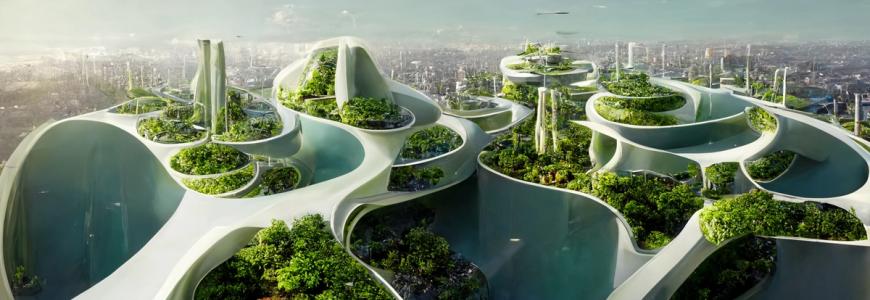
The Urban Future: Shaping Tomorrow’s Cities
As our world becomes increasingly urbanised, the future of our cities is a topic of great importance. The way we plan, design, and manage urban areas today will have a profound impact on the quality of life for future generations. From sustainable infrastructure to smart technologies, the urban future holds both challenges and opportunities.
Sustainable Development
One of the key aspects of the urban future is sustainable development. Cities are major contributors to climate change and resource depletion, but they also hold the key to more sustainable living. By focusing on renewable energy sources, green spaces, and efficient public transport systems, cities can reduce their environmental footprint and create healthier environments for residents.
Smart Cities
The concept of smart cities is another crucial element in shaping the urban future. By integrating technology into urban planning and management, cities can become more efficient, responsive, and resilient. From data-driven decision-making to connected infrastructure, smart cities have the potential to improve services, enhance safety, and foster innovation.
Inclusive Design
Creating inclusive cities is essential for a thriving urban future. This involves designing spaces that are accessible to all residents, regardless of age, ability, or background. Inclusive design not only promotes social equity but also enhances the overall livability and vibrancy of urban areas.
Community Engagement
Engaging communities in the planning and development process is vital for building sustainable and resilient cities. When residents have a say in how their neighbourhoods are shaped, they feel a sense of ownership and pride in their surroundings. Community engagement fosters collaboration, creativity, and a sense of belonging that is essential for a thriving urban future.
In conclusion, the urban future holds immense potential for positive change. By prioritising sustainability, embracing technology, promoting inclusivity, and engaging communities, we can create cities that are not only livable but also thriving hubs of innovation and opportunity.
Embracing the Urban Future: Five Key Benefits of Sustainable and Inclusive City Development
- Sustainable development practices can help reduce the environmental impact of cities.
- Smart cities can improve efficiency, safety, and quality of life for residents.
- Inclusive urban design promotes social equity and accessibility for all members of the community.
- Community engagement in urban planning fosters a sense of ownership and pride among residents.
- Technological advancements in urban areas can lead to innovative solutions for complex challenges.
Challenges Facing the Urban Future: Overcrowding, Habitat Loss, Privacy Concerns, and Gentrification
- Increased urbanisation may lead to overcrowding and strain on existing infrastructure.
- Rapid urban development can result in the loss of green spaces and natural habitats.
- The rise of smart cities may raise concerns about data privacy and surveillance.
- Gentrification in urban areas can displace low-income residents and diminish cultural diversity.
Sustainable development practices can help reduce the environmental impact of cities.
Sustainable development practices play a crucial role in shaping the urban future by mitigating the environmental impact of cities. By implementing renewable energy sources, promoting green spaces, and improving public transportation systems, cities can significantly reduce their carbon footprint and resource consumption. Embracing sustainability not only enhances the overall quality of urban life but also contributes to a healthier and more resilient environment for present and future generations to enjoy.
Smart cities can improve efficiency, safety, and quality of life for residents.
Smart cities represent a significant advancement in urban development, offering a multitude of benefits that can enhance the lives of residents. By integrating technology and data-driven solutions into city infrastructure and services, smart cities have the potential to greatly improve efficiency, safety, and overall quality of life. From intelligent traffic management systems that reduce congestion to real-time monitoring for quicker emergency response, the implementation of smart technologies can streamline operations, enhance public safety measures, and create a more convenient and sustainable urban environment for residents to thrive in.
Inclusive urban design promotes social equity and accessibility for all members of the community.
Inclusive urban design plays a crucial role in fostering social equity and ensuring accessibility for all members of the community. By creating spaces that are welcoming and accommodating to people of diverse backgrounds, abilities, and needs, cities can promote a sense of belonging and ensure that everyone has equal opportunities to participate in and benefit from urban life. Inclusive design not only enhances the quality of life for individuals but also strengthens the social fabric of communities, leading to more cohesive and resilient urban environments.
Community engagement in urban planning fosters a sense of ownership and pride among residents.
Community engagement in urban planning plays a crucial role in fostering a sense of ownership and pride among residents. When local communities are actively involved in shaping the development of their neighbourhoods, they feel a deeper connection to their surroundings. This involvement empowers residents to contribute their ideas, voice their concerns, and collaborate with city planners, leading to more inclusive and sustainable urban spaces. As a result, residents develop a strong sense of pride in their community, knowing that they have played a part in creating a place they can truly call their own.
Technological advancements in urban areas can lead to innovative solutions for complex challenges.
Technological advancements in urban areas offer a promising prospect for addressing complex challenges through innovative solutions. From smart infrastructure to data-driven decision-making, technology has the potential to revolutionise how cities operate and respond to various issues such as traffic congestion, pollution, and resource management. By harnessing the power of technology, urban areas can become more efficient, sustainable, and resilient, paving the way for a brighter and more prosperous urban future.
Increased urbanisation may lead to overcrowding and strain on existing infrastructure.
One significant concern associated with the urban future is the potential for increased urbanisation to result in overcrowding and strain on existing infrastructure. As more people flock to cities in search of opportunities and a better quality of life, the demand for housing, transportation, healthcare, and other essential services can outpace the capacity of existing systems. This can lead to congestion, inadequate public services, environmental degradation, and a decreased overall quality of life for urban residents. Addressing these challenges will require careful planning, investment in sustainable infrastructure, and innovative solutions to ensure that cities can accommodate growth without sacrificing livability.
Rapid urban development can result in the loss of green spaces and natural habitats.
Rapid urban development poses a significant con for the urban future as it often leads to the loss of green spaces and natural habitats. As cities expand to accommodate growing populations and infrastructure needs, valuable green areas such as parks, forests, and wetlands are frequently sacrificed. This loss not only diminishes biodiversity and ecosystem services but also impacts the well-being of urban residents by reducing access to nature, increasing pollution levels, and exacerbating issues related to climate change. Finding a balance between urban growth and preserving green spaces is crucial to creating sustainable and liveable cities for generations to come.
The rise of smart cities may raise concerns about data privacy and surveillance.
The rise of smart cities in the urban future may give rise to legitimate concerns regarding data privacy and surveillance. As cities become more interconnected through technology, the collection and analysis of vast amounts of data raise questions about who has access to this information and how it is being used. The potential for increased surveillance in public spaces and the risk of personal data being exploited without consent are issues that must be carefully addressed to ensure that the benefits of smart city technologies do not come at the expense of individual privacy and civil liberties.
Gentrification in urban areas can displace low-income residents and diminish cultural diversity.
Gentrification in urban areas poses a significant con for the urban future as it can lead to the displacement of low-income residents and a reduction in cultural diversity. As neighbourhoods undergo revitalisation and attract wealthier residents, property prices often rise, making it unaffordable for long-time residents to remain in their homes. This not only disrupts communities but also erodes the unique cultural fabric that has developed over time. The loss of diversity and the homogenisation of urban spaces can have far-reaching social and economic implications, highlighting the need for thoughtful planning and policies to address this issue sustainably.