The Future of Sustainable Property Development
In recent years, the concept of sustainable property development has gained significant traction in the real estate industry. With a growing awareness of environmental issues and the need for responsible resource management, developers are increasingly turning towards sustainable practices to create buildings that are not only environmentally friendly but also economically viable in the long term.
Sustainable property development involves incorporating green building principles throughout the entire lifecycle of a building – from design and construction to operation and maintenance. This approach aims to minimise the environmental impact of buildings while maximising their energy efficiency and overall sustainability.
One key aspect of sustainable property development is the use of eco-friendly materials and construction techniques. This includes sourcing materials locally to reduce carbon emissions from transportation, using renewable resources such as bamboo or recycled materials, and implementing energy-efficient designs that reduce water and energy consumption.
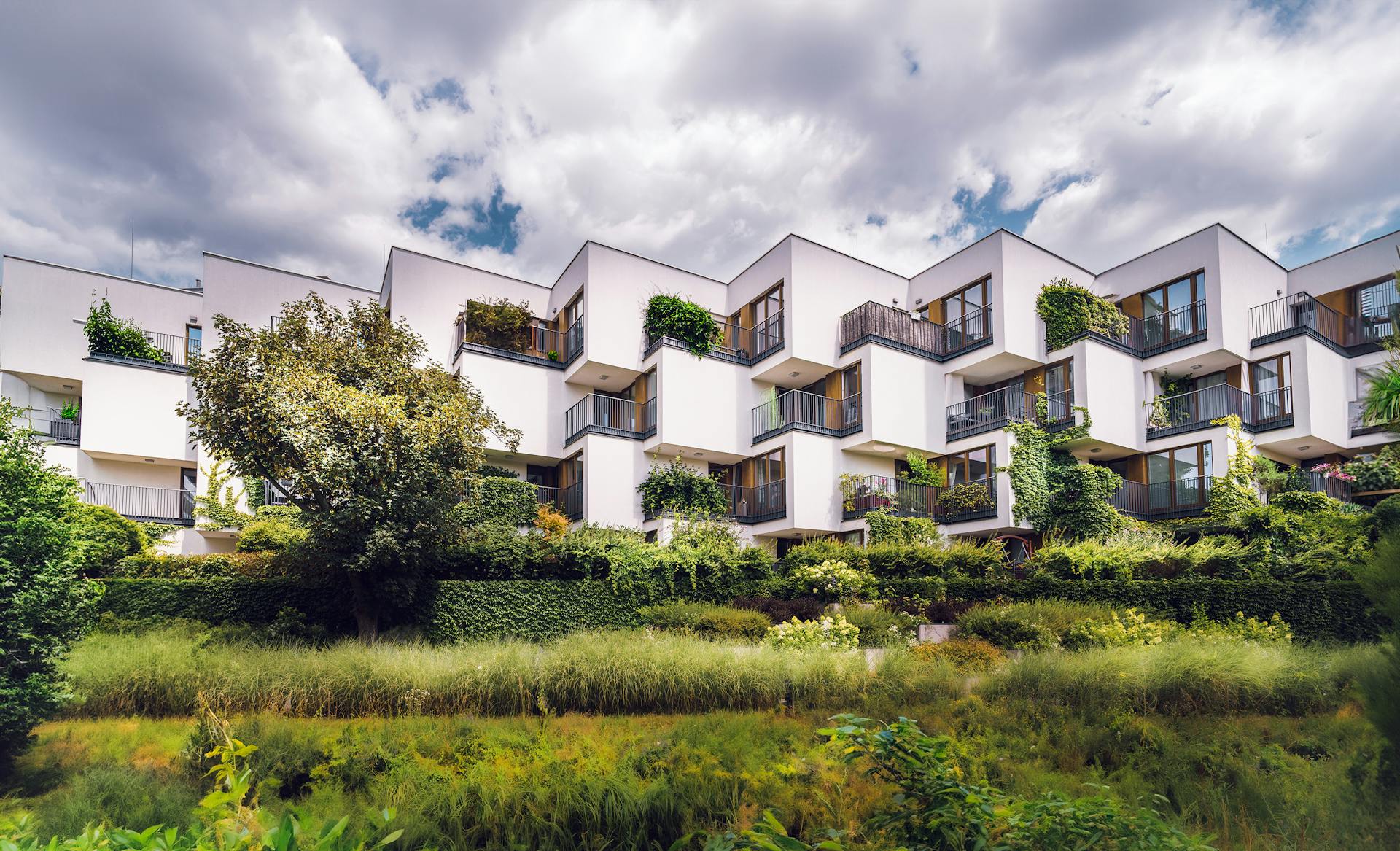
Another important consideration in sustainable property development is the integration of green spaces and landscaping into urban developments. Green roofs, vertical gardens, and communal parks not only enhance the aesthetic appeal of a property but also provide numerous environmental benefits such as improved air quality, reduced urban heat island effect, and increased biodiversity.
Furthermore, sustainable property development goes beyond just the physical aspects of a building – it also encompasses social sustainability. This includes creating inclusive communities that promote social interaction, providing affordable housing options, and ensuring accessibility for people of all ages and abilities.
As we look towards the future, it is clear that sustainable property development will play a crucial role in shaping our cities and communities. By prioritising sustainability in all aspects of property development, we can create buildings that not only meet the needs of current generations but also safeguard the well-being of future generations.
Ultimately, sustainable property development is not just a trend – it is a fundamental shift towards a more responsible and resilient built environment. By embracing sustainability in our real estate projects, we can build a better future for ourselves and for the planet.
Nine Essential Tips for Sustainable Property Development
- Incorporate energy-efficient design features such as solar panels and LED lighting
- Use sustainable building materials like recycled wood and low-VOC paints
- Implement water-saving fixtures and systems to reduce water consumption
- Opt for green roofs or permeable paving to manage stormwater runoff
- Prioritise natural light and ventilation to reduce the need for artificial heating and cooling
- Consider the lifecycle costs of materials and systems to ensure long-term sustainability
- Promote biodiversity by incorporating green spaces and native plantings into your development
- Engage with local communities to understand their needs and incorporate social sustainability aspects
- Seek certifications like BREEAM or LEED to demonstrate your commitment to sustainable development
Incorporate energy-efficient design features such as solar panels and LED lighting
In sustainable property development, incorporating energy-efficient design features like solar panels and LED lighting is paramount. By integrating these technologies into building designs, developers can significantly reduce energy consumption and carbon emissions. Solar panels harness renewable energy from the sun to power buildings, reducing reliance on fossil fuels. LED lighting is not only energy-efficient but also has a longer lifespan, contributing to cost savings and environmental benefits. Embracing these design features not only enhances the sustainability of properties but also demonstrates a commitment to a greener future for our communities and the planet.
Use sustainable building materials like recycled wood and low-VOC paints
In sustainable property development, using eco-friendly building materials such as recycled wood and low-VOC paints can have a significant positive impact on the environment. Recycled wood helps reduce the demand for new timber, thereby conserving natural resources and minimising deforestation. Low-VOC paints emit fewer harmful volatile organic compounds into the air, improving indoor air quality and creating healthier living spaces for occupants. By incorporating these sustainable materials into construction projects, developers can not only reduce their carbon footprint but also contribute to creating more environmentally responsible buildings for a greener future.
Implement water-saving fixtures and systems to reduce water consumption
Implementing water-saving fixtures and systems is a crucial tip in sustainable property development as it can significantly reduce water consumption and promote efficient resource management. By installing low-flow toilets, faucets, and showerheads, properties can minimise water wastage without compromising on functionality. Additionally, incorporating rainwater harvesting systems and greywater recycling technologies can further enhance water efficiency within buildings. These initiatives not only contribute to environmental conservation but also lead to cost savings for property owners in the long run.
Opt for green roofs or permeable paving to manage stormwater runoff
When considering sustainable property development, opting for green roofs or permeable paving can be a strategic choice to effectively manage stormwater runoff. Green roofs, covered with vegetation, help absorb rainwater and reduce the volume of runoff that enters drainage systems. Similarly, permeable paving allows water to infiltrate the ground, preventing excess water from overwhelming sewers and contributing to urban flooding. By incorporating these eco-friendly solutions into property development projects, developers can not only mitigate the impact of stormwater runoff but also promote environmental sustainability in urban areas.
Prioritise natural light and ventilation to reduce the need for artificial heating and cooling
When focusing on sustainable property development, a key tip is to prioritise natural light and ventilation in building design. By maximising natural light and airflow within a property, developers can significantly reduce the reliance on artificial heating and cooling systems. Not only does this approach lower energy consumption and operational costs, but it also enhances the overall comfort and well-being of occupants. Incorporating ample windows, skylights, and ventilation openings can create a healthier indoor environment while promoting energy efficiency and sustainability in the long run.
Consider the lifecycle costs of materials and systems to ensure long-term sustainability
When engaging in sustainable property development, it is crucial to consider the lifecycle costs of materials and systems to ensure long-term sustainability. By evaluating not only the initial costs but also the maintenance, operational, and disposal costs of materials and systems, developers can make informed decisions that promote environmental responsibility and economic efficiency. Taking a holistic approach to lifecycle costs helps create buildings that are not only environmentally friendly but also financially viable in the long run, contributing to a more sustainable built environment for future generations.
Promote biodiversity by incorporating green spaces and native plantings into your development
Promoting biodiversity through the incorporation of green spaces and native plantings into property development is a key strategy in sustainable urban planning. By creating green areas with native plants, developers can not only enhance the aesthetic appeal of a project but also provide habitats for local wildlife, improve air quality, and reduce the urban heat island effect. This approach not only benefits the environment but also contributes to the overall well-being of residents by creating healthier and more vibrant communities that are in harmony with nature.
Engage with local communities to understand their needs and incorporate social sustainability aspects
Engaging with local communities is a crucial tip in sustainable property development as it allows developers to gain valuable insights into the specific needs and preferences of the residents. By actively involving the community in the planning process, developers can incorporate social sustainability aspects that promote inclusivity, accessibility, and a sense of belonging. This collaborative approach not only ensures that the development meets the needs of the local population but also fosters a strong sense of community ownership and pride in the built environment.
Seek certifications like BREEAM or LEED to demonstrate your commitment to sustainable development
Seeking certifications such as BREEAM or LEED is a valuable tip for demonstrating a commitment to sustainable property development. These certifications are internationally recognised standards that assess the sustainability performance of buildings across various criteria, including energy efficiency, water conservation, and indoor environmental quality. By obtaining these certifications, developers can showcase their dedication to sustainable practices and differentiate their properties in the market as environmentally responsible and resource-efficient developments.