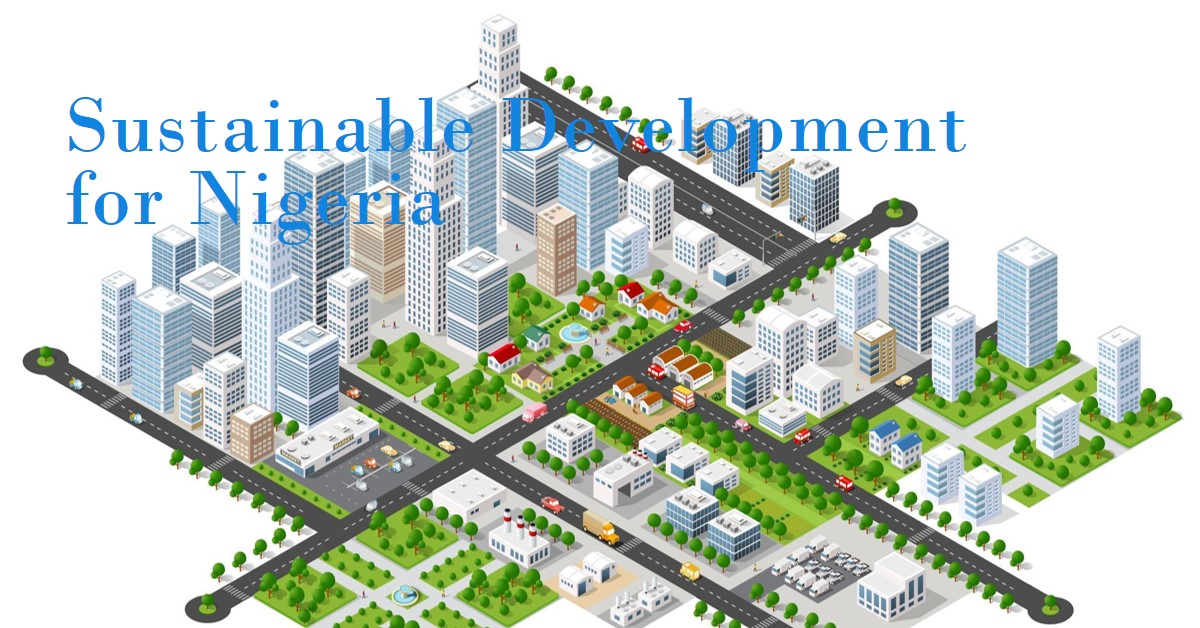
The Importance of Sustainable City Planning
City planning is a crucial aspect of creating urban environments that are not only functional but also sustainable. As our cities continue to grow and evolve, it becomes increasingly important to consider the long-term impact of urban development on the environment, economy, and society. Sustainable city planning aims to strike a balance between meeting the needs of current residents and preserving resources for future generations.
Key Principles of Sustainable City Planning
Sustainable city planning is guided by several key principles that help ensure cities are developed in a way that minimises negative impacts and maximises benefits:
- Compact Development: Encouraging compact, mixed-use development helps reduce urban sprawl and promotes walkability, cycling, and the use of public transportation.
- Green Spaces: Incorporating green spaces such as parks, gardens, and tree-lined streets not only enhances the aesthetic appeal of a city but also improves air quality and provides recreational opportunities.
- Energy Efficiency: Designing buildings and infrastructure with energy efficiency in mind can reduce carbon emissions and lower utility costs for residents.
- Public Transportation: Investing in public transportation systems reduces reliance on cars, decreases traffic congestion, and improves air quality.
- Social Equity: Ensuring that all residents have access to affordable housing, healthcare, education, and job opportunities promotes social cohesion and reduces inequality.
- Resilience: Building cities that are resilient to climate change impacts such as extreme weather events helps protect residents and infrastructure from harm.
The Benefits of Sustainable City Planning
The benefits of sustainable city planning are numerous and far-reaching. By prioritising sustainability in urban development, cities can:
- Create healthier environments for residents by reducing pollution levels and increasing access to green spaces;
- Promote economic growth through investments in renewable energy, green technologies, and sustainable infrastructure;
- Enhance quality of life by improving public health outcomes, increasing social cohesion, and fostering a sense of community;
- Reduce carbon emissions and mitigate climate change impacts by implementing energy-efficient practices and promoting sustainable transportation options;
- Preserve natural resources such as water, land, and biodiversity for future generations to enjoy.
In conclusion, sustainable city planning is essential for creating livable, resilient cities that can thrive in the face of global challenges. By incorporating principles of sustainability into urban development practices, we can build cities that are not only environmentally friendly but also economically vibrant and socially inclusive.
9 Essential Tips for Sustainable City Planning: Creating Greener, More Efficient Urban Spaces
- Promote mixed-use developments to reduce travel distances.
- Enhance public transport systems to decrease reliance on cars.
- Incorporate green spaces for improved air quality and biodiversity.
- Implement energy-efficient building codes and standards.
- Encourage the use of renewable energy sources in urban areas.
- Design pedestrian-friendly infrastructure to encourage walking and cycling.
- Utilise smart technology for efficient resource management.
- Support community participation in planning processes for inclusivity.
- Adopt water conservation measures to manage resources sustainably.
Promote mixed-use developments to reduce travel distances.
Promoting mixed-use developments in urban planning is a key strategy to enhance sustainability by reducing travel distances. By integrating residential, commercial, and recreational spaces within close proximity, residents can easily access their daily needs without having to travel long distances. This not only reduces the reliance on private vehicles but also encourages walking, cycling, and the use of public transportation, leading to lower carbon emissions and improved air quality. Mixed-use developments foster vibrant communities where people can live, work, and play in a cohesive environment that supports a more sustainable way of living.
Enhance public transport systems to decrease reliance on cars.
Enhancing public transport systems is a key strategy in sustainable city planning to reduce reliance on cars. By improving the efficiency, affordability, and accessibility of public transportation options such as buses, trams, and trains, cities can encourage residents to choose more sustainable modes of travel. This not only helps decrease traffic congestion and air pollution but also promotes a healthier urban environment and enhances overall quality of life for residents. Investing in public transport infrastructure is a proactive step towards creating more sustainable and livable cities for both current and future generations.
Incorporate green spaces for improved air quality and biodiversity.
In sustainable city planning, it is crucial to incorporate green spaces to enhance air quality and promote biodiversity. By integrating parks, gardens, and tree-lined streets into urban environments, cities can help reduce air pollution levels and provide habitats for a variety of plant and animal species. Green spaces act as natural filters, absorbing pollutants and releasing oxygen, thereby improving the overall air quality for residents. Additionally, these areas support biodiversity by creating ecosystems where different species can thrive, contributing to a healthier and more balanced urban environment.
Implement energy-efficient building codes and standards.
Implementing energy-efficient building codes and standards is a crucial aspect of sustainable city planning. By setting requirements for new construction and renovations to meet high energy efficiency standards, cities can significantly reduce their carbon footprint and energy consumption. Energy-efficient buildings not only help lower greenhouse gas emissions but also lead to cost savings for residents through reduced utility bills. By prioritising sustainable building practices, cities can create a more environmentally friendly and economically viable urban environment for current and future generations.
Encourage the use of renewable energy sources in urban areas.
Encouraging the use of renewable energy sources in urban areas is a vital aspect of sustainable city planning. By promoting the adoption of solar, wind, and other renewable energy technologies, cities can reduce their carbon footprint, lower energy costs for residents and businesses, and enhance energy security. Incorporating renewable energy sources into urban infrastructure not only helps combat climate change but also creates a more resilient and self-sufficient city that is better equipped to meet the needs of its inhabitants now and in the future.
Design pedestrian-friendly infrastructure to encourage walking and cycling.
Designing pedestrian-friendly infrastructure is a key tip in sustainable city planning as it promotes active modes of transportation such as walking and cycling. By creating safe and accessible pathways for pedestrians and cyclists, cities can reduce reliance on cars, decrease traffic congestion, and improve air quality. Encouraging walking and cycling not only benefits the environment but also enhances public health by promoting physical activity. Additionally, pedestrian-friendly infrastructure fosters a sense of community and makes urban areas more vibrant and liveable for residents and visitors alike.
Utilise smart technology for efficient resource management.
Utilising smart technology for efficient resource management is a key tip in sustainable city planning. By incorporating advanced technologies such as IoT sensors, data analytics, and automation systems, cities can optimise the use of resources like energy, water, and waste. Smart technology enables real-time monitoring and control of infrastructure, leading to more efficient operations and reduced environmental impact. This approach not only enhances the sustainability of urban areas but also improves the overall quality of life for residents by creating a more resilient and resource-efficient city environment.
Support community participation in planning processes for inclusivity.
Supporting community participation in planning processes is crucial for promoting inclusivity in sustainable city planning. By involving residents, local businesses, and community organisations in decision-making processes, planners can ensure that the diverse needs and perspectives of the community are taken into account. This collaborative approach not only fosters a sense of ownership and pride among residents but also leads to more informed and equitable urban development outcomes that truly reflect the values and priorities of the people who call the city home.
Adopt water conservation measures to manage resources sustainably.
Adopting water conservation measures is a crucial step in sustainable city planning to effectively manage resources and promote environmental stewardship. By implementing strategies such as rainwater harvesting, greywater recycling, and efficient irrigation systems, cities can reduce water consumption, alleviate pressure on freshwater sources, and enhance resilience to droughts and water scarcity. Prioritising water conservation not only ensures the long-term availability of this vital resource but also contributes to creating more sustainable and liveable urban environments for current and future generations.