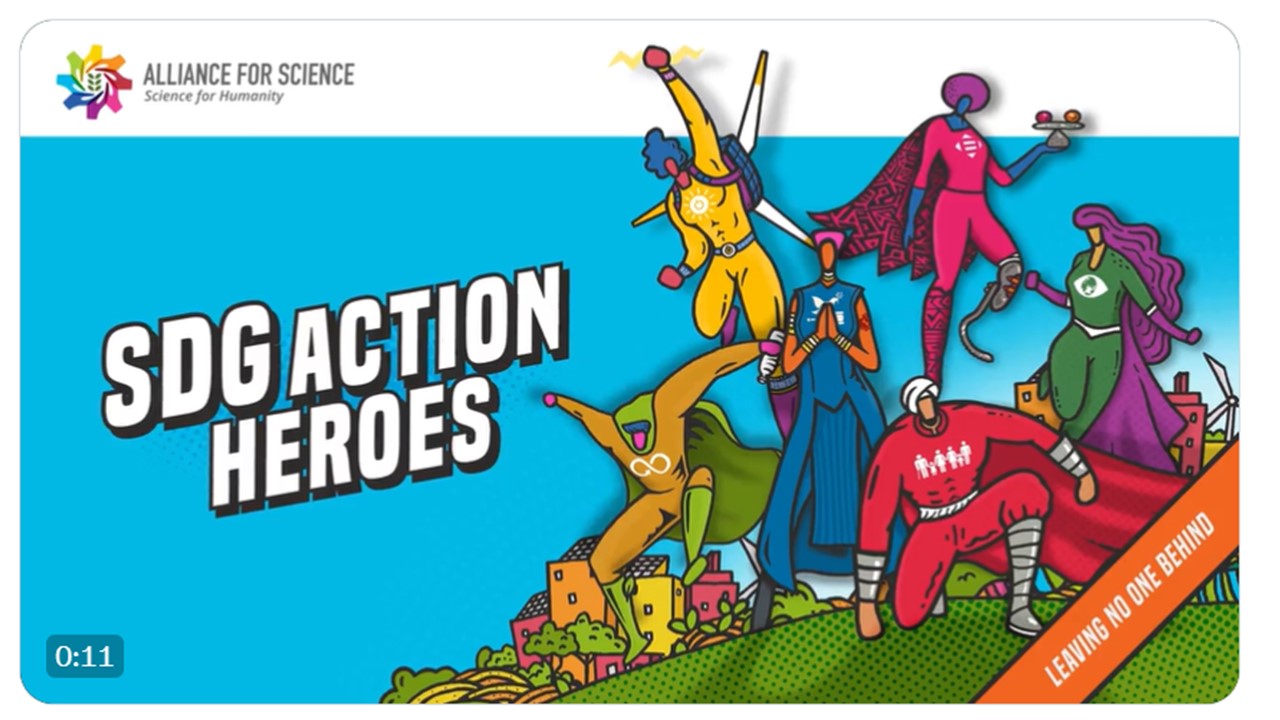
The Importance of Taking Action on Sustainable Development Goals (SDGs)
Sustainable Development Goals (SDGs) are a universal call to action to end poverty, protect the planet, and ensure that all people enjoy peace and prosperity. Achieving the SDGs requires the collective effort of governments, businesses, civil society, and individuals around the world.
SDG action is crucial for addressing some of the most pressing challenges facing our planet today. From climate change to inequality, from access to education to gender equality, each goal represents a critical aspect of creating a more sustainable and equitable world.
Why SDG Action Matters
By taking action on the SDGs, we can make significant progress towards building a better future for all. Here are some key reasons why SDG action matters:
- Ending Poverty: Goal 1 aims to eradicate poverty in all its forms. By implementing policies that promote economic growth and social protection, we can lift millions out of poverty.
- Combatting Climate Change: Goal 13 calls for urgent action to combat climate change and its impacts. By reducing greenhouse gas emissions and transitioning to renewable energy sources, we can mitigate the effects of climate change.
- Promoting Quality Education: Goal 4 focuses on ensuring inclusive and equitable quality education for all. By investing in education systems and providing equal opportunities for learning, we can empower individuals and communities.
- Advancing Gender Equality: Goal 5 aims to achieve gender equality and empower all women and girls. By promoting equal rights, eliminating discrimination, and ensuring equal access to resources, we can create a more just society.
How You Can Take Action
Everyone has a role to play in achieving the SDGs. Whether you are an individual, a business owner, or a policymaker, there are steps you can take to contribute towards sustainable development:
- Raise Awareness: Spread the word about the SDGs and their importance in creating a better world for future generations.
- Support Sustainable Practices: Make sustainable choices in your daily life, such as reducing waste, conserving energy, and supporting eco-friendly products.
- Advocate for Change: Engage with policymakers and urge them to prioritise sustainable development initiatives at local, national, and global levels.
No action is too small when it comes to making a difference. Together, we can work towards achieving the SDGs and building a more sustainable future for all.
Understanding SDG Action: Key Questions and Answers on Goals, Principles, and Tools
- What is SDG Action Manager?
- What are SDG actions?
- What are the 17 SDG goals in order?
- What are the 4 key principles of SDG?
- What is the main goal of SDG?
What is SDG Action Manager?
The SDG Action Manager is a comprehensive tool designed to help organisations align their strategies and operations with the United Nations Sustainable Development Goals (SDGs). It provides a framework for businesses to assess their impact on the SDGs, set goals for improvement, and track progress over time. By using the SDG Action Manager, companies can identify areas where they can make a positive contribution towards achieving the SDGs and integrate sustainable practices into their core business operations. This tool empowers organisations to take meaningful action towards creating a more sustainable and equitable future for all.
What are SDG actions?
SDG actions refer to the specific steps and initiatives taken to achieve the Sustainable Development Goals (SDGs) set forth by the United Nations. These actions encompass a wide range of efforts aimed at addressing global challenges such as poverty, inequality, climate change, and environmental degradation. SDG actions can include policy reforms, investment in sustainable infrastructure, promotion of education and healthcare access, adoption of renewable energy sources, conservation of natural resources, and advocacy for social justice and equality. By implementing targeted SDG actions, individuals, organisations, and governments can contribute towards creating a more sustainable and equitable world for present and future generations.
What are the 17 SDG goals in order?
The 17 Sustainable Development Goals (SDGs) set by the United Nations are a universal blueprint for achieving a better and more sustainable future for all. In order, the SDG goals are as follows: Goal 1 – No Poverty, Goal 2 – Zero Hunger, Goal 3 – Good Health and Well-being, Goal 4 – Quality Education, Goal 5 – Gender Equality, Goal 6 – Clean Water and Sanitation, Goal 7 – Affordable and Clean Energy, Goal 8 – Decent Work and Economic Growth, Goal 9 – Industry, Innovation and Infrastructure, Goal 10 – Reduced Inequality, Goal 11 – Sustainable Cities and Communities, Goal 12 – Responsible Consumption and Production, Goal 13 – Climate Action, Goal 14 – Life Below Water, Goal 15- Life on Land, Goal 16- Peace and Justice Strong Institutions, and finally Goal 17- Partnerships for the Goals. Each goal is interconnected and aims to address specific challenges to create a more inclusive and sustainable world.
What are the 4 key principles of SDG?
The four key principles of Sustainable Development Goals (SDGs) are universality, integration, leaving no one behind, and accountability. Universality emphasises that the goals apply to all countries, regardless of their economic status. Integration highlights the interconnected nature of the goals and the need for holistic approaches to address them. Leaving no one behind underscores the importance of ensuring that progress towards the goals benefits all individuals, especially those in vulnerable or marginalised groups. Accountability stresses the need for monitoring, review mechanisms, and transparent reporting to track progress and hold stakeholders accountable for their commitments towards achieving the SDGs.
What is the main goal of SDG?
The main goal of the Sustainable Development Goals (SDGs) is to address global challenges and create a more sustainable, equitable, and prosperous future for all. These 17 interconnected goals set by the United Nations aim to end poverty, protect the planet, and ensure that all people can live in peace and prosperity. By focusing on key areas such as poverty eradication, climate action, quality education, gender equality, and sustainable economic growth, the SDGs provide a roadmap for collective action towards a better world for present and future generations.