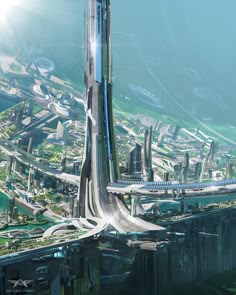
The Future of City Design
In recent years, the concept of futuristic city design has captured the imagination of urban planners, architects, and innovators around the world. As our cities continue to grow and evolve, there is a pressing need to rethink traditional urban planning practices and embrace cutting-edge technologies to create more sustainable, efficient, and livable urban environments.
Sustainability at the Core
One of the key principles driving futuristic city design is sustainability. Cities of the future are envisioned to be eco-friendly, with green spaces integrated seamlessly into the urban fabric. Sustainable infrastructure, such as renewable energy sources, smart water management systems, and efficient waste disposal mechanisms, will play a crucial role in reducing environmental impact and promoting a healthier quality of life for residents.
Smart Technologies Shaping Urban Living
Futuristic cities are characterised by their use of smart technologies to enhance efficiency and connectivity. From autonomous vehicles and smart grids to sensor-equipped infrastructure and data-driven decision-making processes, technology is set to revolutionise how we interact with our urban surroundings. This integration of technology not only improves resource management but also fosters a more responsive and adaptive urban environment.
Human-Centred Design for Wellbeing
Central to futuristic city design is a focus on human-centred principles that prioritise the wellbeing and quality of life of residents. Designing cities with walkable neighbourhoods, accessible public spaces, mixed land uses, and vibrant cultural amenities can create a sense of community and promote social interaction. By placing people at the heart of urban planning decisions, future cities aim to enhance overall happiness and satisfaction among inhabitants.
Collaboration for Innovation
The realisation of futuristic city design requires collaboration across disciplines and sectors. Urban planners, architects, engineers, policymakers, technology experts, community stakeholders – all have a role to play in shaping the cities of tomorrow. By fostering partnerships and sharing knowledge, we can collectively work towards creating more resilient, inclusive, and forward-thinking urban environments that benefit everyone.
As we look ahead to the future of city design, it is clear that innovation will be key in addressing the complex challenges facing our rapidly urbanising world. By embracing sustainability, harnessing smart technologies, prioritising human wellbeing, and fostering collaboration among diverse stakeholders, we can pave the way for a brighter future where cities are not just functional spaces but thriving hubs of creativity, diversity,and opportunity.
8 Essential Tips for Designing Futuristic Cities: Sustainable, Smart, and Inclusive
- Prioritize sustainability by incorporating renewable energy sources.
- Implement smart technology for efficient resource management.
- Promote green spaces and urban agriculture for a healthier environment.
- Design efficient public transportation systems to reduce reliance on private vehicles.
- Create mixed-use developments to encourage walkability and reduce traffic congestion.
- Incorporate flexible infrastructure that can adapt to future needs and technologies.
- Ensure inclusivity in design to cater to diverse populations and promote social cohesion.
- Embrace innovative architectural designs that blend functionality with aesthetics.
Prioritize sustainability by incorporating renewable energy sources.
In the realm of futuristic city design, a crucial tip is to prioritise sustainability by integrating renewable energy sources into urban infrastructure. By harnessing the power of renewable energy such as solar, wind, and hydroelectricity, cities can significantly reduce their carbon footprint and reliance on fossil fuels. This proactive approach not only contributes to mitigating climate change but also promotes long-term environmental resilience and energy independence for urban communities. Embracing renewable energy sources is a forward-thinking strategy that aligns with the vision of creating greener, more sustainable cities for future generations.
Implement smart technology for efficient resource management.
In the realm of futuristic city design, a crucial tip is to implement smart technology for efficient resource management. By integrating advanced technological solutions such as IoT sensors, data analytics, and automation systems, cities can optimise the use of resources like energy, water, and waste. This approach not only enhances operational efficiency but also reduces environmental impact and promotes sustainability. Smart technology enables real-time monitoring and control of resource consumption, leading to more effective decision-making and a more resilient urban infrastructure capable of meeting the needs of a growing population while minimising waste and inefficiencies.
Promote green spaces and urban agriculture for a healthier environment.
Promoting green spaces and urban agriculture is a fundamental aspect of futuristic city design aimed at creating a healthier environment. By integrating lush parks, rooftop gardens, and community farms into urban landscapes, cities can enhance air quality, reduce heat island effects, and provide residents with access to fresh produce. Embracing green spaces and urban agriculture not only contributes to a more sustainable and resilient city but also fosters a closer connection between people and nature, promoting overall well-being and quality of life for urban dwellers.
Design efficient public transportation systems to reduce reliance on private vehicles.
To achieve a more sustainable and efficient urban environment in the future, it is crucial to prioritise the design of efficient public transportation systems that can effectively reduce reliance on private vehicles. By investing in well-connected and accessible public transport networks, cities can not only alleviate traffic congestion and reduce carbon emissions but also promote a more inclusive and equitable mode of mobility for all residents. Emphasising the convenience, affordability, and reliability of public transportation options will encourage people to opt for greener modes of travel, ultimately contributing to a more liveable and environmentally-friendly cityscape.
Create mixed-use developments to encourage walkability and reduce traffic congestion.
In the realm of futuristic city design, a crucial tip is to establish mixed-use developments that blend residential, commercial, and recreational spaces within close proximity. By creating such diverse environments, cities can promote walkability and reduce reliance on cars, subsequently alleviating traffic congestion and fostering a more sustainable urban landscape. This approach not only enhances convenience for residents but also cultivates vibrant communities where people can live, work, and play within a well-connected and pedestrian-friendly setting.
Incorporate flexible infrastructure that can adapt to future needs and technologies.
In the realm of futuristic city design, a crucial tip is to incorporate flexible infrastructure that can adapt to future needs and technologies. By designing urban infrastructure with scalability and adaptability in mind, cities can proactively respond to evolving demands and technological advancements. This forward-thinking approach not only ensures that cities remain resilient in the face of change but also allows for seamless integration of new innovations, ultimately creating a more sustainable and future-proof urban environment for generations to come.
Ensure inclusivity in design to cater to diverse populations and promote social cohesion.
In the realm of futuristic city design, it is imperative to prioritise inclusivity in the planning process to accommodate the needs and preferences of diverse populations. By creating urban environments that are accessible and welcoming to people from all walks of life, we can foster social cohesion and strengthen community bonds. Embracing inclusivity not only enhances the quality of life for residents but also promotes a sense of belonging and unity within the cityscape, ultimately leading to a more harmonious and vibrant urban fabric.
Embrace innovative architectural designs that blend functionality with aesthetics.
In the realm of futuristic city design, it is essential to embrace innovative architectural designs that seamlessly blend functionality with aesthetics. By marrying practicality with beauty, cities can not only meet the evolving needs of their residents but also create visually striking and inspiring urban landscapes. Incorporating cutting-edge architectural concepts that prioritise both form and function can transform ordinary cityscapes into vibrant hubs of creativity and innovation, enhancing the overall quality of urban living for generations to come.