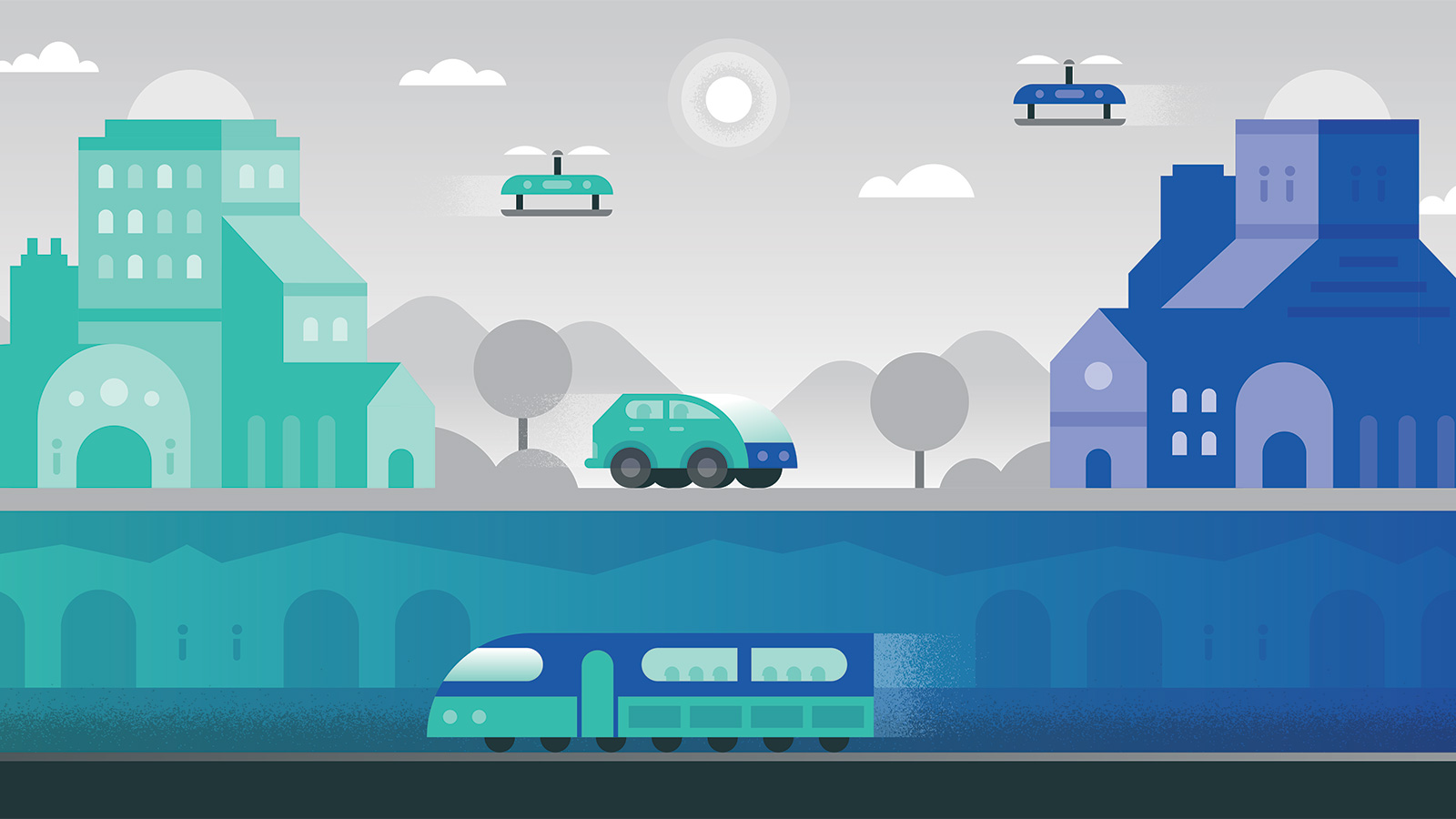
The Vision of Future Cities in 2050
As we look ahead to the year 2050, the concept of cities is set to undergo a radical transformation. With rapid advancements in technology, changing demographics, and pressing environmental concerns, the cities of the future are poised to be vastly different from what we see today.
Sustainability and Green Initiatives
One of the key focuses of future cities in 2050 will be sustainability. With a growing awareness of climate change and environmental degradation, urban centres will prioritise green initiatives. Buildings will be designed with energy efficiency in mind, green spaces will be integrated into urban landscapes, and renewable energy sources will power entire city grids.
Smart Infrastructure and Technology
Technology will play a central role in shaping future cities. Smart infrastructure will enable seamless connectivity between various systems, leading to more efficient transportation networks, improved public services, and enhanced communication channels. Artificial intelligence and data analytics will help city planners make informed decisions for better resource allocation.
Urban Mobility and Transportation
In 2050, urban mobility will undergo a revolution. Self-driving cars, electric vehicles, and advanced public transportation systems will reduce congestion and emissions in cities. Integrated transport networks will offer seamless connectivity between different modes of transport, making commuting faster and more convenient for residents.
Social Inclusivity and Community Engagement
Future cities will place a strong emphasis on social inclusivity and community engagement. Urban planning will focus on creating spaces that foster interaction and collaboration among residents. Affordable housing options, accessible healthcare facilities, and inclusive public spaces will ensure that all members of society can thrive in the city of tomorrow.
Economic Resilience and Innovation
Economic resilience and innovation will be critical factors driving the success of future cities. Entrepreneurial hubs, research centres, and creative industries will flourish in urban environments that support innovation. Flexible workspaces, digital connectivity, and investment in education will create opportunities for economic growth and prosperity.
In conclusion, the future cities of 2050 hold immense potential for positive change and progress. By embracing sustainability, technology, inclusivity, resilience, and innovation, these urban centres can become vibrant hubs of creativity, opportunity, and quality living for all residents.
Prospects of Future Cities 2050: Sustainability, Innovation, and Inclusivity
- Enhanced sustainability with a focus on green initiatives
- Efficient smart infrastructure powered by advanced technology
- Improved urban mobility through innovative transportation systems
- Social inclusivity and community engagement at the core of city planning
- Economic resilience fostering entrepreneurship and innovation
- Renewable energy sources driving clean and sustainable city grids
- Accessible healthcare facilities and affordable housing options for all residents
- Vibrant urban spaces designed to promote interaction and well-being
Challenges Facing Future Cities: Navigating Technology, Inequality, and Environmental Pressures by 2050
- Increased dependency on technology may lead to privacy concerns and data security risks.
- Rapid urbanisation could exacerbate income inequality and social disparities.
- Environmental challenges such as climate change may intensify, impacting the livability of future cities.
- Overcrowding and high population density in urban areas may strain infrastructure and public services.
- Automation and artificial intelligence adoption could result in job displacement for certain sectors of the workforce.
- The cost of living in future cities may skyrocket, making housing affordability a significant issue for many residents.
- Urban sprawl and expansion could encroach upon natural habitats, leading to biodiversity loss and ecological imbalances.
Enhanced sustainability with a focus on green initiatives
In the cities of 2050, a notable advantage lies in their enhanced sustainability driven by a strong emphasis on green initiatives. By prioritising environmentally-friendly practices and infrastructure, future cities are poised to significantly reduce their carbon footprint and mitigate the effects of climate change. From energy-efficient buildings to integrated green spaces, these cities are paving the way for a more eco-conscious urban landscape that promotes a healthier environment for both residents and the planet as a whole.
Efficient smart infrastructure powered by advanced technology
In the future cities of 2050, one of the standout advantages will be their efficient smart infrastructure powered by advanced technology. This innovative approach will revolutionise how urban systems operate, leading to seamless connectivity and optimised resource management. With the integration of cutting-edge technologies such as artificial intelligence and data analytics, city planners will be able to make informed decisions in real-time, enhancing the overall functionality and sustainability of urban environments. This smart infrastructure will not only improve the quality of services for residents but also contribute to a more environmentally friendly and economically viable cityscape.
Improved urban mobility through innovative transportation systems
In the future cities of 2050, one of the standout advantages will be the significantly enhanced urban mobility facilitated by innovative transportation systems. Advanced technologies such as self-driving cars, electric vehicles, and integrated public transport networks will revolutionize the way people move around urban areas. These cutting-edge systems will not only reduce congestion and travel times but also contribute to a cleaner environment by lowering emissions. The seamless connectivity between different modes of transport will offer residents convenient and efficient commuting options, ultimately improving overall quality of life in these forward-looking cities.
Social inclusivity and community engagement at the core of city planning
In the future cities of 2050, social inclusivity and community engagement will be at the heart of city planning. By prioritising these values, urban centres can create vibrant and cohesive communities where every individual feels a sense of belonging and connection. Through inclusive public spaces, affordable housing options, and accessible amenities, future cities will foster a sense of community spirit and mutual support among residents from diverse backgrounds. This approach not only enhances the quality of life for all but also promotes a more harmonious and sustainable urban environment for generations to come.
Economic resilience fostering entrepreneurship and innovation
In the future cities of 2050, economic resilience will serve as a catalyst for fostering entrepreneurship and innovation. By creating a supportive ecosystem that encourages risk-taking and creativity, these cities will become thriving hubs for entrepreneurial endeavours. With access to resources, mentorship programmes, and collaborative spaces, aspiring entrepreneurs will be empowered to turn their ideas into successful ventures. This culture of innovation will not only drive economic growth but also attract talent from diverse fields, leading to a dynamic and prosperous urban landscape where new ideas flourish and businesses thrive.
Renewable energy sources driving clean and sustainable city grids
In the future cities of 2050, a significant advantage lies in the widespread adoption of renewable energy sources to power clean and sustainable city grids. By harnessing energy from sources such as solar, wind, and hydroelectric power, cities can significantly reduce their carbon footprint and reliance on fossil fuels. This transition not only promotes environmental sustainability but also enhances energy security and resilience against climate change impacts. With renewable energy driving city grids, future urban centres can pave the way towards a greener and more sustainable future for generations to come.
Accessible healthcare facilities and affordable housing options for all residents
In the envisioned future cities of 2050, one significant advantage lies in the provision of accessible healthcare facilities and affordable housing options for all residents. This pro ensures that individuals from diverse socio-economic backgrounds have equal access to essential healthcare services and suitable housing, fostering a healthier and more inclusive urban environment. By prioritising the well-being and living standards of all citizens, future cities can promote social equity, community well-being, and overall quality of life for their inhabitants.
Vibrant urban spaces designed to promote interaction and well-being
In the envisioned future cities of 2050, vibrant urban spaces will be meticulously designed to foster interaction and promote overall well-being among residents. These innovative spaces will serve as hubs of social engagement, where individuals can connect, collaborate, and thrive in a dynamic community setting. By prioritising human interaction and mental well-being in urban planning, future cities will create environments that not only enhance quality of life but also encourage a sense of belonging and connectedness among diverse populations.
Increased dependency on technology may lead to privacy concerns and data security risks.
In envisioning the future cities of 2050, one significant drawback to consider is the heightened reliance on technology, which could give rise to privacy concerns and data security risks. As urban infrastructure becomes increasingly interconnected and data-driven, the potential for breaches in personal privacy and sensitive information looms large. Without robust safeguards and stringent regulations in place, the very technologies designed to enhance efficiency and convenience in future cities may inadvertently expose residents to vulnerabilities, compromising their privacy and data security. Balancing the benefits of technological advancements with safeguarding individual rights and ensuring data protection will be a critical challenge for city planners and policymakers in shaping the cities of tomorrow.
Rapid urbanisation could exacerbate income inequality and social disparities.
Rapid urbanisation in future cities of 2050 may exacerbate income inequality and widen social disparities. As populations flock to urban areas seeking opportunities, the demand for housing and resources could lead to rising costs, making it challenging for lower-income residents to afford living in the city. This could create segregated communities based on economic status, limiting access to essential services and perpetuating social divides. Without careful planning and policies to address these issues, the promise of future cities may be overshadowed by deepening inequalities that hinder the well-being of vulnerable populations.
Environmental challenges such as climate change may intensify, impacting the livability of future cities.
Environmental challenges, such as the escalating impacts of climate change, pose a significant con for future cities in 2050. The intensification of extreme weather events, rising sea levels, and increased air pollution could severely affect the livability and sustainability of urban environments. Without proactive measures to mitigate these environmental threats, future cities may face heightened risks to infrastructure, public health, and overall quality of life for residents. It is imperative that city planners and policymakers prioritise resilient and sustainable solutions to address these pressing challenges and ensure the long-term viability of urban spaces in the face of a changing climate.
Overcrowding and high population density in urban areas may strain infrastructure and public services.
The looming con of overcrowding and high population density in future cities of 2050 presents a significant challenge, as it has the potential to strain existing infrastructure and public services. With an ever-increasing urban population, cities may face difficulties in providing adequate housing, transportation, healthcare, and other essential services to meet the needs of their residents. The pressure on infrastructure could lead to congestion, longer commute times, increased pollution levels, and a higher demand for resources, posing a threat to the overall quality of life in urban areas. Addressing this issue will require careful planning, innovative solutions, and sustainable urban development strategies to ensure that future cities remain liveable and functional for all inhabitants.
Automation and artificial intelligence adoption could result in job displacement for certain sectors of the workforce.
The widespread adoption of automation and artificial intelligence in future cities 2050 poses a significant challenge in terms of potential job displacement within certain sectors of the workforce. As technology advances and tasks become increasingly automated, there is a real risk that traditional roles may be replaced by machines, leading to unemployment for many individuals. It is crucial for city planners and policymakers to address this con proactively by investing in reskilling programmes, promoting lifelong learning initiatives, and creating new job opportunities that align with the evolving technological landscape.
The cost of living in future cities may skyrocket, making housing affordability a significant issue for many residents.
In the envisioned future cities of 2050, a notable concern emerges regarding the potential escalation of the cost of living. This surge in expenses could lead to a significant spike in housing prices, posing a formidable challenge to many residents in terms of affordability. As urban development progresses and demand for prime real estate grows, the risk of housing becoming increasingly unattainable for a substantial portion of the population becomes a pressing issue that must be addressed with strategic planning and innovative solutions to ensure equitable access to housing for all individuals.
Urban sprawl and expansion could encroach upon natural habitats, leading to biodiversity loss and ecological imbalances.
Urban sprawl and expansion in future cities of 2050 pose a significant con as they have the potential to encroach upon natural habitats, resulting in biodiversity loss and ecological imbalances. The relentless development of urban areas may lead to the destruction of vital ecosystems, displacing wildlife and disrupting delicate ecological processes. As cities expand outward, green spaces and wildlife corridors diminish, threatening the survival of various plant and animal species. It is crucial for urban planners and policymakers to address this challenge proactively by implementing sustainable land-use practices and conservation strategies to preserve biodiversity and maintain a healthy balance between urbanisation and nature.