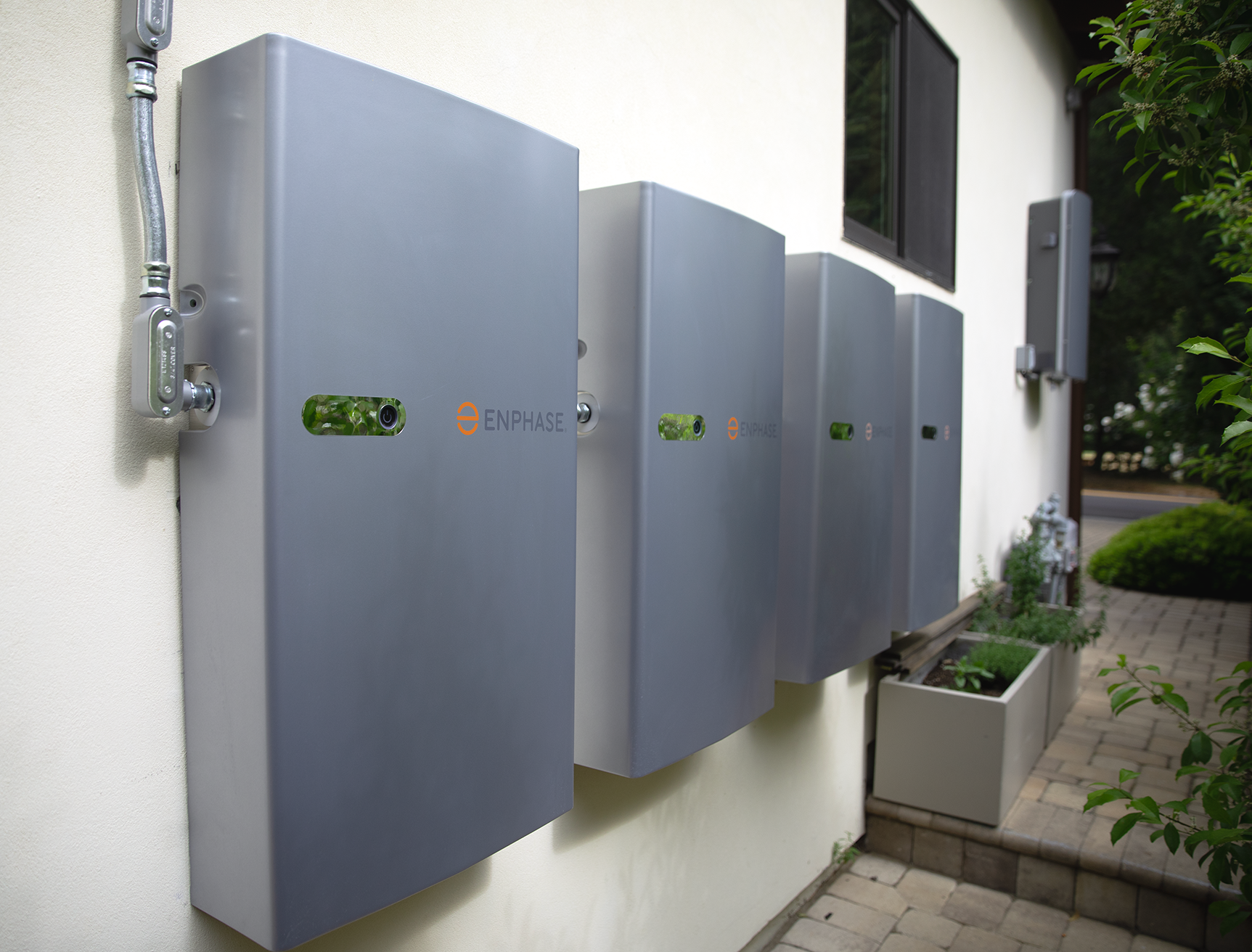
Enphase Solar Battery: A Guide for UK Homeowners
An Enphase solar battery stores electricity generated by solar panels so it can be used later. Rather than sending all surplus power to the grid during the day, a household can save some of it for the evening, overnight or periods when solar generation is low.
Enphase is best known for its microinverter technology, which converts the electricity produced by each solar panel into usable household power. Its battery systems are designed to work with the Enphase energy ecosystem, allowing solar generation, battery storage and household electricity use to be monitored through a connected system.
How an Enphase battery works
During sunny periods, solar panels may generate more electricity than a home is using. An Enphase battery can charge with some of this surplus electricity. When solar production falls or household demand rises, the stored energy can be used in the home.
The system can also be configured to charge from the grid, depending on the equipment, settings and electricity tariff. This may be useful for households with time-of-use tariffs, although the potential savings depend on the difference between import and export rates, as well as the battery’s efficiency and operating settings.
Modular storage for different needs
Enphase offers battery products in different markets and configurations. The IQ Battery 5P, for example, is a modular storage unit with around 5 kWh of usable capacity. Multiple units can be combined to provide greater storage, subject to system design and local product availability.
The right battery size depends on how much electricity a household uses, when it uses it, the size of the solar array and how much surplus generation is available. A larger battery is not automatically a better investment: if it is rarely charged or discharged fully, some of its capacity may go unused.
Potential benefits
- Use more of your own solar electricity: Stored energy can reduce the amount of electricity bought from the grid at times when panels are producing little or nothing.
- Greater visibility: Enphase’s monitoring tools can help users track solar production, battery charge and household consumption.
- Flexible system design: Modular options may make it possible to choose storage capacity to suit a home’s needs and expand the system where supported.
- Possible backup power: Some configurations can provide backup during a power cut, but this requires compatible equipment and must be included in the system design.
Things to consider before installing
Check compatibility. Not every battery works with every solar installation. Ask an accredited installer to confirm that the battery, inverter equipment, communications hardware and any existing system components are compatible.
Understand backup limitations. A battery does not necessarily keep a home powered during a power cut. Backup functionality may require additional Enphase equipment, and the installer may need to configure selected circuits. The amount of power available can also limit which appliances can run at the same time.
Consider the economics. Savings depend on factors including household consumption, solar generation, export payments, electricity tariffs, battery costs and system efficiency. Ask for a forecast based on your actual usage and tariff, and compare the assumptions used in different quotes.
Review warranties and servicing. Warranty terms, performance guarantees and product availability can vary by model and country. Check the documentation supplied with the system and clarify who is responsible for installation, monitoring and after-sales support.
Is an Enphase solar battery right for your home?
An Enphase battery may suit a household that already has, or is considering, an Enphase solar system and wants to make greater use of its own solar generation. It could also be worth exploring if the household has significant evening electricity use or a tariff that rewards shifting consumption to cheaper periods.
Before deciding, review your electricity bills, think about when energy is used and get a tailored assessment from a qualified installer. A well-sized system should reflect the home’s real requirements rather than simply choosing the largest battery available.
Top 5 FAQs About Enphase Solar Batteries: Longevity, Comparisons, Future Releases, Pricing, and Quality
- How long do Enphase solar batteries last?
- Is Tesla better than Enphase?
- Will Enphase release a new battery in 2026?
- What is the price of an Enphase 10kW battery in the UK?
- Are Enphase solar batteries any good?
How long do Enphase solar batteries last?
Enphase solar batteries are designed for long-term use, but their lifespan depends on factors such as operating conditions, usage and installation. Check the warranty for the specific model, as it sets out the coverage period and any capacity or performance guarantees. A qualified installer can advise on expected performance for your system and help ensure the battery is installed and configured correctly.
Is Tesla better than Enphase?
Neither Tesla nor Enphase is universally better; the right choice depends on your home, solar system and priorities. Tesla Powerwall batteries may appeal if you want a well-known, integrated storage system, while Enphase batteries can be a natural fit for homes using Enphase microinverters and may offer a modular approach. Compare usable capacity, backup-power features, compatibility, efficiency, warranty, installed price and local installer support, and ask for quotes based on your household’s energy use before deciding.
Will Enphase release a new battery in 2026?
Enphase has not confirmed a new solar battery for release in 2026 in the information available here, so any claims about a launch date or specifications should be treated as unconfirmed. Product availability and announcements can vary by market; check Enphase’s official UK website or ask an authorised installer for the latest information.
What is the price of an Enphase 10kW battery in the UK?
There is no fixed UK price for an “Enphase 10kW battery”; battery storage is usually measured in kilowatt-hours (kWh), so you may mean a system with around 10kWh of capacity. As a rough guide, an Enphase system of this size could cost around £8,000–£12,000 including installation, but the final price depends on the battery model and number of units, your existing solar equipment, any extra components and installation work. Ask an Enphase installer for a quote based on your home and check exactly what the price includes.
Are Enphase solar batteries any good?
Enphase solar batteries are generally well regarded for their modular design, integration with Enphase solar systems and app-based monitoring. They can help households use more of their own solar electricity, but whether they’re a good choice depends on the battery model, system compatibility, installation quality, warranty and price. Check that the proposed capacity suits your energy use, and ask an MCS-certified installer to compare expected savings and backup-power options with other systems.