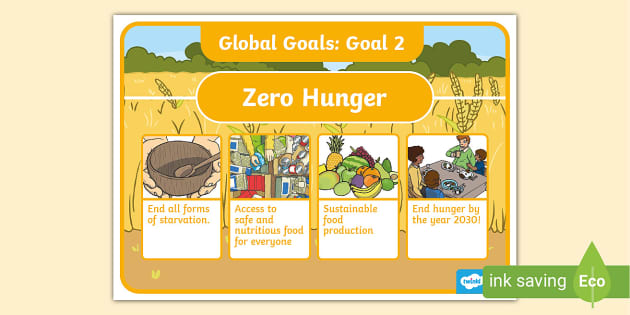
SDG 2: Ending Hunger and Building a Food-Secure Future
Hunger is more than the absence of food. It also includes inadequate nutrition, uncertainty about where the next meal will come from, and limited access to safe, affordable and nutritious food. The United Nations Sustainable Development Goal 2 (SDG 2), known as Zero Hunger, calls for an end to hunger, improved nutrition, food security and sustainable agriculture.
What does SDG 2 aim to achieve?
SDG 2 sets out a broad ambition: that everyone should have enough nutritious food to live a healthy life. Its targets include ending hunger and all forms of malnutrition, improving the productivity and incomes of small-scale food producers, and making food production more sustainable and resilient.
The goal also recognises that food security depends on more than how much food is produced. People need reliable access to food, while communities and food systems must be able to withstand shocks such as conflict, extreme weather and economic disruption.
Why does hunger persist?
There is enough food produced globally to feed the world, yet hunger remains a serious challenge. Poverty is a major cause: when household incomes fall or food prices rise, nutritious food can become unaffordable. Conflict and displacement can disrupt farming, trade and access to markets. Droughts, floods and other climate-related events can damage crops and livestock, while inequality can leave some groups with fewer resources and less secure access to food.
Food loss and waste also contribute to the problem. Food may be lost during harvesting, storage and transport, or discarded by shops and households. At the same time, people may have access to food but lack a balanced diet, contributing to malnutrition and diet-related illness.
Food security and sustainable agriculture
SDG 2 links the right to adequate food with the way food is grown and distributed. Sustainable agriculture aims to produce food while protecting soil, water, biodiversity and the livelihoods of farming communities. Practices such as improving soil health, using water more efficiently and growing a wider range of crops can help make food systems more resilient.
Small-scale farmers play an important role in food production, particularly in many lower-income regions. Access to land, finance, training, technology and markets can help them increase their incomes and adapt to changing conditions. Supporting women in agriculture is also essential, as women contribute significantly to food production but may face unequal access to resources and decision-making.
How cities and communities can contribute
Hunger is not confined to rural areas. In cities, people may struggle to afford healthy food, especially when they have low or insecure incomes. Local action can help improve access and reduce waste. Community food projects, food banks, school meal programmes and urban gardens can provide practical support, though they work best alongside wider efforts to address poverty and inequality.
Local authorities, businesses and community organisations can also make food systems more sustainable by supporting responsible procurement, improving food distribution and making it easier to donate surplus food. Individuals can help by planning meals, storing food carefully and choosing seasonal produce where possible.
Progress requires shared action
Ending hunger cannot be achieved by farmers or charities alone. Governments, international organisations, businesses and communities all have a role to play. Effective action includes protecting people affected by conflict and emergencies, investing in sustainable agriculture, strengthening social protection and ensuring that nutritious food is affordable and accessible.
SDG 2 is ultimately about dignity as well as food. A world without hunger is one in which everyone can access a healthy diet, food producers can earn a decent living, and food systems can support both people and the planet. Achieving that vision requires long-term commitment and cooperation across the whole food system.
Understanding SDG 2: Addressing Global Hunger and Food Security Challenges
- What is SDG 2, and what does Zero Hunger aim to achieve?
- Why is hunger still a global problem despite there being enough food to feed everyone?
- What are the main causes of hunger and food insecurity?
- How does climate change affect hunger and food security?
- How can individuals, communities and governments help achieve Zero Hunger?
What is SDG 2, and what does Zero Hunger aim to achieve?
SDG 2 is one of the United Nations’ Sustainable Development Goals. Known as “Zero Hunger”, it aims to end hunger and all forms of malnutrition, ensure everyone has access to safe, nutritious and sufficient food throughout the year, and promote sustainable agriculture. It also focuses on supporting small-scale food producers and building resilient food systems that can withstand challenges such as conflict, economic shocks and climate change.
Why is hunger still a global problem despite there being enough food to feed everyone?
Hunger remains a global problem because having enough food in the world does not mean everyone can access it. Poverty makes nutritious food unaffordable for many people, while conflict and displacement disrupt farming, transport and markets. Climate-related events, such as droughts and floods, can damage crops and livelihoods, and inequality often leaves vulnerable communities with fewer resources. Food loss and waste also play a part. Tackling hunger therefore requires not only producing enough food, but ensuring it is distributed fairly and that everyone can afford a safe, nutritious diet.
What are the main causes of hunger and food insecurity?
The main causes of hunger and food insecurity include poverty, conflict, inequality and climate-related shocks such as droughts and floods. Poverty can make nutritious food unaffordable, while conflict may force people from their homes and disrupt farming, transport and markets. Extreme weather, soil degradation and water shortages can reduce harvests, and rising food prices can make shortages worse. Unequal access to land, income and resources can also leave particular communities more vulnerable. Together, these factors can make it difficult for people to obtain enough safe, nutritious food consistently.
How does climate change affect hunger and food security?
Climate change can worsen hunger and food insecurity by making food production less reliable. Droughts, floods, heatwaves and changing rainfall patterns can damage crops, reduce livestock health and disrupt fishing, while pests and diseases may spread into new areas. These impacts can also raise food prices and affect people’s incomes, making nutritious food harder to afford—especially for small-scale farmers and communities already facing poverty or conflict. Building climate-resilient food systems, protecting natural resources and supporting farmers to adapt can help reduce these risks.
How can individuals, communities and governments help achieve Zero Hunger?
Individuals can help achieve Zero Hunger by reducing food waste, choosing sustainable food where possible, supporting local producers and community food initiatives, and raising awareness of food insecurity. Communities can strengthen food banks, meal programmes and urban gardens, while working to make nutritious food more accessible to everyone. Governments have a vital role in tackling poverty and inequality, investing in sustainable agriculture, supporting small-scale farmers, improving school meals and social protection, and responding to conflict and climate-related emergencies. Coordinated action across all these levels can help build fairer, more resilient food systems and ensure everyone has access to safe, nutritious food.