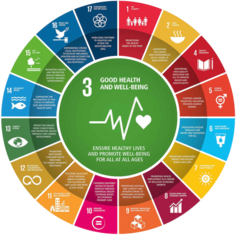
The Importance of Achieving SDG 3 Targets for Global Health
The Sustainable Development Goal 3 (SDG 3) focuses on ensuring healthy lives and promoting well-being for all at all ages. This goal encompasses a wide range of targets that aim to address various health issues and improve healthcare systems worldwide.
Key Targets of SDG 3 Include:
- Reduce the global maternal mortality ratio.
- End preventable deaths of newborns and children under 5 years of age.
- Combat communicable diseases such as HIV/AIDS, malaria, and tuberculosis.
- Reduce non-communicable diseases through prevention and treatment.
- Strengthen the capacity of all countries for early warning, risk reduction, and management of health risks.
Achieving these targets is crucial for improving the overall health outcomes of populations worldwide. By reducing maternal mortality rates, preventing child deaths, and combating infectious diseases, we can create a healthier and more resilient global community.
The Impact of Achieving SDG 3 Targets
Meeting the targets set out in SDG 3 will have far-reaching benefits beyond just health outcomes. It can lead to increased productivity, economic growth, and social stability. Healthy populations are better equipped to contribute to society and drive progress in various sectors.
Furthermore, achieving SDG 3 targets is essential for achieving other sustainable development goals. Health is intricately linked to poverty reduction, education, gender equality, and environmental sustainability. By prioritising health initiatives, we can create a foundation for sustainable development across all sectors.
Challenges and Opportunities
While progress has been made towards achieving SDG 3 targets, there are still significant challenges that need to be addressed. These include disparities in healthcare access, inadequate infrastructure in some regions, and emerging health threats such as pandemics.
However, there are also opportunities for innovation and collaboration to overcome these challenges. By leveraging technology, investing in healthcare systems, and promoting global partnerships, we can accelerate progress towards meeting SDG 3 targets and improving health outcomes for all.
In Conclusion
Achieving the targets outlined in Sustainable Development Goal 3 is essential for building a healthier, more equitable world. By prioritising global health initiatives and working together towards common goals, we can create a future where everyone has access to quality healthcare and the opportunity to lead a fulfilling life.
Advancing Global Health: Key Benefits of Achieving SDG 3 Targets
- Improving maternal and child health outcomes
- Combatting infectious diseases like HIV/AIDS, malaria, and tuberculosis
- Promoting preventive measures for non-communicable diseases
- Enhancing global health security and risk management
- Creating a healthier, more resilient global population
Challenges in Meeting SDG 3 Targets: Financial, Cultural, Systemic, and Data Barriers
- Achieving SDG 3 targets requires significant financial investment, which may be challenging for some countries with limited resources.
- Implementation of healthcare interventions to meet SDG 3 targets can face resistance from traditional practices and beliefs in certain communities.
- Addressing all health issues outlined in SDG 3 targets simultaneously may overwhelm healthcare systems, leading to inefficiencies and gaps in service delivery.
- Monitoring and evaluating progress towards SDG 3 targets globally can be complex due to varying data collection methods and reporting standards across countries.
Improving maternal and child health outcomes
Improving maternal and child health outcomes is a crucial pro of SDG 3 targets. By reducing maternal mortality rates and preventing deaths of newborns and children under 5 years of age, we can create a healthier and more sustainable future for generations to come. Investing in maternal and child health not only saves lives but also improves the overall well-being of families and communities. It leads to stronger, more resilient societies where women and children have the opportunity to thrive and contribute positively to society. Achieving SDG 3 targets in this area is essential for building a world where every mother and child has access to quality healthcare and the chance to lead a healthy life.
Combatting infectious diseases like HIV/AIDS, malaria, and tuberculosis
Combatting infectious diseases such as HIV/AIDS, malaria, and tuberculosis is a crucial pro of SDG 3 targets. By prioritising efforts to prevent, treat, and eradicate these diseases, we can significantly improve public health outcomes and reduce the burden on healthcare systems worldwide. Addressing these infectious diseases not only saves lives but also contributes to economic growth and social stability by ensuring a healthier population that can actively participate in society. Additionally, by combatting these diseases, we can create a more resilient global community better equipped to respond to future health challenges.
Promoting preventive measures for non-communicable diseases
By promoting preventive measures for non-communicable diseases, Sustainable Development Goal 3 targets play a crucial role in improving public health outcomes. Encouraging healthy lifestyle choices, early detection, and effective management of conditions such as diabetes, cardiovascular diseases, and cancer can significantly reduce the burden on healthcare systems and enhance the overall well-being of individuals. By prioritising prevention strategies, SDG 3 aims to empower individuals to take control of their health and reduce the incidence of non-communicable diseases, ultimately leading to a healthier and more resilient global population.
Enhancing global health security and risk management
One significant advantage of achieving the targets set out in Sustainable Development Goal 3 is the enhancement of global health security and risk management. By strengthening healthcare systems, improving disease surveillance, and promoting early warning mechanisms, countries can better prepare for and respond to health emergencies. This proactive approach not only safeguards individual and population health but also contributes to global stability by mitigating the spread of infectious diseases and reducing the impact of health crises on economies and societies worldwide. Ultimately, prioritising global health security through SDG 3 targets is crucial for building resilience against current and future health threats.
Creating a healthier, more resilient global population
Achieving the targets set out in SDG 3 contributes to creating a healthier and more resilient global population. By reducing maternal mortality rates, preventing child deaths, combating infectious diseases, and promoting overall well-being, we can enhance the health outcomes of individuals worldwide. A healthier population is better equipped to withstand health challenges and crises, leading to increased productivity, economic stability, and social cohesion. Through targeted healthcare initiatives and improved access to essential services, we can build a stronger and more resilient global community that is prepared to face future health threats effectively.
Achieving SDG 3 targets requires significant financial investment, which may be challenging for some countries with limited resources.
Achieving SDG 3 targets poses a significant challenge for some countries with limited resources due to the substantial financial investment required. Implementing initiatives to improve healthcare systems, reduce maternal and child mortality rates, combat diseases, and strengthen health infrastructure demands substantial funding. For countries facing financial constraints, allocating resources to meet SDG 3 targets may compete with other pressing priorities, making it difficult to achieve meaningful progress in improving health outcomes. Addressing this con necessitates innovative financing mechanisms, international cooperation, and strategic resource allocation strategies to ensure that all countries can work towards fulfilling the objectives of Sustainable Development Goal 3.
Implementation of healthcare interventions to meet SDG 3 targets can face resistance from traditional practices and beliefs in certain communities.
The implementation of healthcare interventions to meet SDG 3 targets can encounter resistance from traditional practices and beliefs in certain communities. Cultural norms and deeply rooted traditions may pose challenges to the adoption of modern healthcare approaches, hindering efforts to improve health outcomes. Addressing this con requires a sensitive and collaborative approach that respects local customs while promoting the benefits of evidence-based interventions. By engaging with communities, understanding their perspectives, and tailoring healthcare strategies to align with cultural values, we can overcome resistance and work towards achieving SDG 3 targets effectively.
Addressing all health issues outlined in SDG 3 targets simultaneously may overwhelm healthcare systems, leading to inefficiencies and gaps in service delivery.
Addressing all health issues outlined in SDG 3 targets simultaneously may overwhelm healthcare systems, leading to inefficiencies and gaps in service delivery. With a multitude of health challenges to tackle, healthcare systems may struggle to allocate resources effectively and prioritise interventions. This can result in fragmented care, inadequate coverage, and disparities in access to essential services. Additionally, the complexity of addressing multiple health issues concurrently may strain healthcare workforce capacity and infrastructure, hindering the quality and effectiveness of care delivery. Finding a balance between addressing diverse health needs while ensuring sustainable healthcare provision remains a critical challenge in achieving the goals set out in SDG 3.
Monitoring and evaluating progress towards SDG 3 targets globally can be complex due to varying data collection methods and reporting standards across countries.
Monitoring and evaluating progress towards SDG 3 targets globally can be challenging due to the complexity of data collection methods and reporting standards that vary across countries. Inconsistencies in data quality, availability, and comparability can hinder accurate assessments of health outcomes and the effectiveness of interventions. This lack of standardisation makes it difficult to measure the impact of initiatives accurately and identify areas that require urgent attention or improvement. Addressing these disparities in data collection and reporting practices is crucial to ensure that efforts towards achieving SDG 3 targets are informed by reliable evidence and lead to meaningful outcomes for global health.