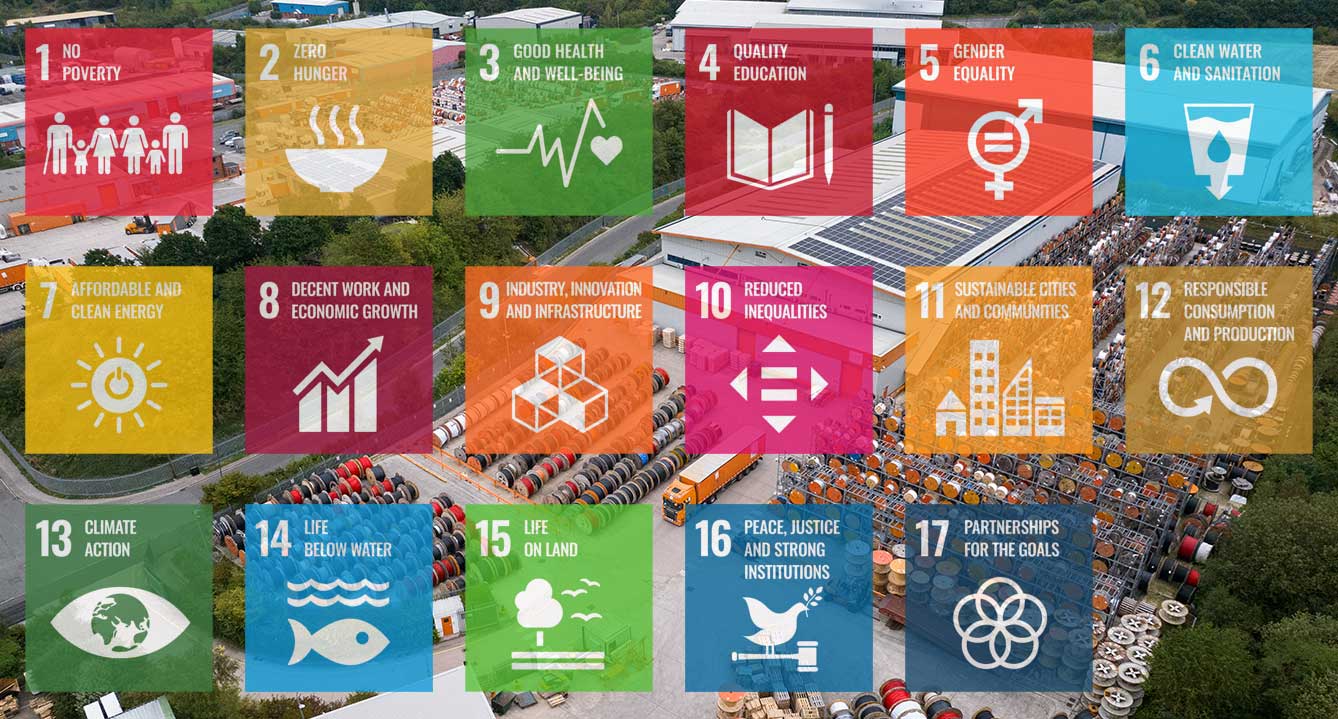
The UN Global Goals for Sustainable Development
The United Nations has set out an ambitious agenda to achieve a better and more sustainable future for all. The UN Global Goals for Sustainable Development, also known as the Sustainable Development Goals (SDGs), are a universal call to action to end poverty, protect the planet, and ensure prosperity for all by 2030.
What are the SDGs?
There are 17 SDGs that address a wide range of global challenges, including poverty, inequality, climate change, environmental degradation, peace, and justice. Each goal has specific targets that are interconnected and aim to leave no one behind.
Why are the SDGs important?
The SDGs provide a roadmap for governments, businesses, civil society, and individuals to work together towards a sustainable future. By addressing these goals, we can create a world where everyone has access to clean water, education, healthcare, and economic opportunities.
How can we achieve the SDGs?
Achieving the SDGs requires collective action at all levels. Governments need to implement policies that support sustainable development, businesses must adopt responsible practices, and individuals can make a difference through their daily choices and actions.
Get Involved
Whether you are a student, activist, policymaker or business leader, there are many ways you can contribute to the achievement of the SDGs. By raising awareness, advocating for change, volunteering your time or supporting sustainable initiatives in your community, you can help build a better future for all.
Advancing Global Progress: The 8 Key Benefits of UN Sustainable Development Goals
- Addresses global challenges such as poverty, inequality, and climate change.
- Provides a universal framework for countries to work towards common goals.
- Promotes partnerships between governments, businesses, and civil society.
- Focuses on leaving no one behind and ensuring inclusivity in development efforts.
- Encourages sustainable practices that benefit both people and the planet.
- Sets specific targets for measurable progress towards a more sustainable future.
- Raises awareness about pressing issues affecting communities worldwide.
- Inspires collective action and collaboration to tackle complex global problems.
Challenges and Criticisms of the UN Global Goals for Sustainable Development
- Achieving all 17 SDGs by 2030 may be overly ambitious and challenging for many countries.
- Some governments may lack the political will or resources to effectively implement the SDGs.
- There is a risk of certain goals receiving more attention and funding than others, leading to uneven progress.
- The interconnected nature of the goals can make it difficult to address one without affecting another.
- Monitoring and measuring progress towards the SDGs can be complex and require significant data collection and analysis.
- Achieving sustainable development requires changes in behaviour, consumption patterns, and economic systems that may face resistance.
Addresses global challenges such as poverty, inequality, and climate change.
The UN Global Goals for Sustainable Development play a crucial role in addressing pressing global challenges such as poverty, inequality, and climate change. By setting specific targets and fostering collaboration among nations, these goals aim to create a more equitable and sustainable future for all. Tackling issues like poverty and inequality not only improves the quality of life for individuals but also contributes to building resilient communities. Moreover, addressing climate change is essential for safeguarding the planet and ensuring a habitable environment for current and future generations. The emphasis on these key areas reflects the urgent need for collective action to create a more just, prosperous, and environmentally sustainable world.
Provides a universal framework for countries to work towards common goals.
The UN Global Goals for Sustainable Development offer a significant advantage by providing a universal framework that allows countries to collaborate towards shared objectives. This common set of goals fosters international cooperation, alignment, and mutual understanding among nations, encouraging them to work together towards a sustainable and prosperous future for all. By establishing a unified roadmap for development, the SDGs promote global solidarity and collective action to address pressing challenges on a worldwide scale.
Promotes partnerships between governments, businesses, and civil society.
Promoting partnerships between governments, businesses, and civil society is a key pro of the UN Global Goals for Sustainable Development. By fostering collaboration and cooperation among these stakeholders, the SDGs encourage a collective approach to addressing global challenges. Governments can enact policies that support sustainable development, businesses can implement responsible practices, and civil society can advocate for change. Through these partnerships, a more inclusive and effective strategy can be developed to achieve the SDGs and create a better future for all.
Focuses on leaving no one behind and ensuring inclusivity in development efforts.
The UN Global Goals for Sustainable Development stand out for their commitment to leaving no one behind and promoting inclusivity in all development endeavours. By prioritising the needs of the most vulnerable and marginalised populations, these goals aim to create a more equitable and just world where every individual has the opportunity to thrive. This focus on inclusivity ensures that development efforts are not only effective but also sustainable in the long run, fostering a future where no one is left behind in the pursuit of a better world.
Encourages sustainable practices that benefit both people and the planet.
The UN Global Goals for Sustainable Development offer a significant pro by promoting sustainable practices that benefit both people and the planet. By encouraging the adoption of environmentally friendly and socially responsible approaches, these goals aim to create a harmonious balance between human well-being and environmental preservation. Embracing sustainable practices not only improves the quality of life for individuals but also ensures the long-term health and vitality of our planet, fostering a more resilient and equitable future for all.
Sets specific targets for measurable progress towards a more sustainable future.
The UN Global Goals for Sustainable Development offer a significant advantage by establishing specific targets for measurable progress towards a more sustainable future. By outlining clear and achievable objectives, the goals provide a framework for tracking and evaluating advancements in areas such as poverty reduction, environmental conservation, and social equality. This approach not only ensures accountability but also enables stakeholders to monitor their efforts effectively, driving meaningful change and fostering a collective commitment to building a better world for current and future generations.
Raises awareness about pressing issues affecting communities worldwide.
The UN Global Goals for Sustainable Development play a crucial role in raising awareness about pressing issues that impact communities worldwide. By highlighting key challenges such as poverty, inequality, climate change, and access to education and healthcare, the SDGs help to mobilise support and action towards addressing these critical issues on a global scale. Through increased awareness, individuals, organisations, and governments are better equipped to collaborate and implement solutions that can positively impact communities and create a more sustainable future for all.
Inspires collective action and collaboration to tackle complex global problems.
The UN Global Goals for Sustainable Development serve as a powerful catalyst for inspiring collective action and fostering collaboration on a global scale to address complex challenges. By uniting governments, businesses, organisations, and individuals under a common agenda, these goals encourage teamwork and shared responsibility in finding innovative solutions to pressing issues such as poverty, climate change, and inequality. Through this collaborative approach, the SDGs empower diverse stakeholders to work together towards a more sustainable and prosperous future for all.
Achieving all 17 SDGs by 2030 may be overly ambitious and challenging for many countries.
Achieving all 17 Sustainable Development Goals (SDGs) by 2030 presents a significant challenge for many countries due to the ambitious nature and complexity of the goals. The scope and scale of the targets set by the United Nations may be overwhelming for nations facing limited resources, political instability, or other pressing priorities. Balancing economic growth with social and environmental sustainability requires substantial investments, policy reforms, and international cooperation. While the SDGs provide a valuable framework for global progress, realistic expectations and tailored approaches are essential to ensure meaningful advancements towards a more sustainable future.
Some governments may lack the political will or resources to effectively implement the SDGs.
Some governments may face challenges in effectively implementing the UN Global Goals for Sustainable Development due to a lack of political will or resources. Without strong commitment from leadership and adequate funding, the progress towards achieving the SDGs may be hindered. It is essential for governments to prioritise sustainable development and allocate the necessary resources to ensure that the goals are met in a timely manner. Collaboration with international partners and civil society organisations can also help address these gaps and support governments in overcoming obstacles to sustainable development.
There is a risk of certain goals receiving more attention and funding than others, leading to uneven progress.
One significant con of the UN Global Goals for Sustainable Development is the potential imbalance in attention and funding allocation across different goals. This imbalance could result in some goals receiving more resources and focus than others, leading to uneven progress towards achieving the overall agenda. Such disparities may hinder the holistic advancement of sustainable development efforts, as certain critical issues could be overshadowed or neglected in favour of more popular or easier-to-address goals. It is essential to address this challenge by promoting equal prioritisation and support for all SDGs to ensure comprehensive and sustainable progress towards a better future for all.
The interconnected nature of the goals can make it difficult to address one without affecting another.
The interconnected nature of the UN Global Goals for Sustainable Development presents a significant challenge as addressing one goal may have unintended consequences on another. This complexity requires a holistic approach to development, where actions taken to achieve one goal must be carefully balanced with their impact on other goals. Failure to consider these interconnections could lead to trade-offs or conflicts that hinder progress towards sustainable development. It underscores the importance of integrated and coordinated efforts across sectors and stakeholders to effectively tackle the diverse challenges outlined in the SDGs.
Monitoring and measuring progress towards the SDGs can be complex and require significant data collection and analysis.
Monitoring and measuring progress towards the UN Global Goals for Sustainable Development can present a significant challenge due to the complexity involved in data collection and analysis. Gathering relevant data across different sectors and regions, ensuring its accuracy and consistency, and interpreting the findings to track progress towards the SDGs require substantial resources and expertise. Without robust monitoring mechanisms in place, it can be difficult to assess the effectiveness of interventions and make informed decisions to drive sustainable development efforts forward. Addressing this con is crucial to ensure that the SDGs are being effectively implemented and are making a tangible impact on global sustainability goals.
Achieving sustainable development requires changes in behaviour, consumption patterns, and economic systems that may face resistance.
Achieving sustainable development presents a significant challenge as it necessitates fundamental changes in behaviour, consumption patterns, and economic systems. These changes may encounter resistance from various stakeholders who are accustomed to existing practices and structures. Overcoming this resistance requires not only raising awareness about the importance of sustainability but also fostering a shift in mindset towards long-term benefits over short-term gains. Adapting to new ways of living and doing business is crucial for the successful implementation of the UN Global Goals for Sustainable Development.