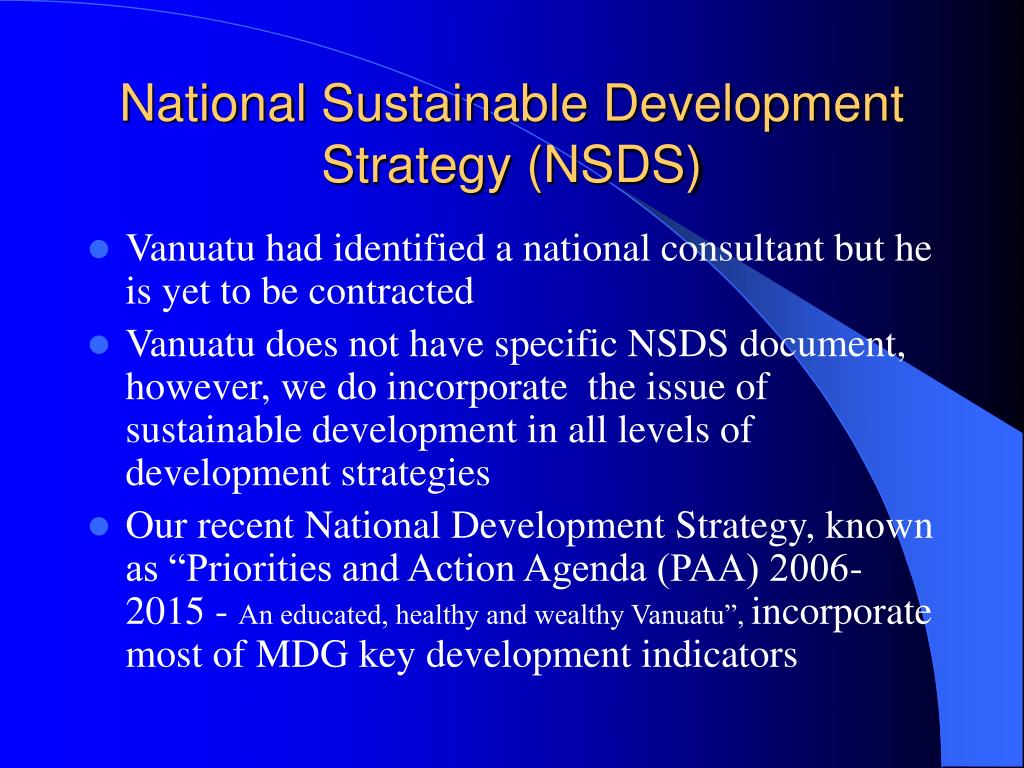
The Importance of a National Sustainable Development Strategy
In today’s world, the concept of sustainable development has become increasingly crucial as countries strive to balance economic growth with environmental protection and social equity. A National Sustainable Development Strategy (NSDS) plays a vital role in guiding a country’s long-term development towards a more sustainable future.
Defining a National Sustainable Development Strategy
An NSDS is a comprehensive plan that outlines a country’s goals and actions for achieving sustainable development across various sectors such as economy, environment, society, and governance. It serves as a roadmap for policymakers, stakeholders, and the public to work together towards common sustainability objectives.
Key Components of an NSDS
Typically, an NSDS includes:
- Clear sustainability goals and targets
- Policies and strategies for integrating sustainability into decision-making processes
- Mechanisms for monitoring progress and evaluating outcomes
- Engagement of stakeholders from government, civil society, business, and academia
- Allocation of resources to support sustainable development initiatives
The Benefits of Implementing an NSDS
By adopting a National Sustainable Development Strategy, countries can:
- Promote long-term economic growth that is environmentally friendly and socially inclusive
- Enhance resilience to environmental challenges such as climate change and resource depletion
- Foster innovation in sustainable technologies and practices
- Improve quality of life for current and future generations
- Demonstrate leadership on the global stage in addressing sustainability issues
Conclusion: Moving Towards a Sustainable Future
In conclusion, the development and implementation of a National Sustainable Development Strategy are essential steps towards building a more sustainable future for all. By setting clear goals, engaging stakeholders, and taking concrete actions to promote sustainability, countries can pave the way for a prosperous and resilient society that respects the limits of our planet’s resources.
Six Essential Tips for Crafting a National Sustainable Development Strategy
- Ensure clear goals and targets are set for sustainable development.
- Engage stakeholders from various sectors in the development and implementation of the strategy.
- Monitor progress regularly and adjust strategies as needed to achieve sustainability goals.
- Promote collaboration between government, businesses, and civil society to drive sustainable development initiatives.
- Invest in research and innovation to find new ways to promote sustainability across all sectors.
- Educate the public about the importance of sustainable development and encourage individual action.
Ensure clear goals and targets are set for sustainable development.
To effectively drive progress towards sustainable development, it is crucial to establish clear and measurable goals and targets. By defining specific objectives related to environmental protection, social equity, and economic growth within a National Sustainable Development Strategy, policymakers can provide a roadmap for action and accountability. Clear goals help focus efforts, track progress, and ensure that all stakeholders are aligned in working towards a common vision of a more sustainable future.
Engage stakeholders from various sectors in the development and implementation of the strategy.
It is crucial to engage stakeholders from diverse sectors in the development and implementation of a National Sustainable Development Strategy. By involving representatives from government, civil society, business, and academia, a more comprehensive and inclusive approach can be taken towards addressing sustainability challenges. This collaborative effort ensures that different perspectives are considered, expertise is shared, and collective solutions are devised to achieve common sustainability goals. Ultimately, engaging stakeholders from various sectors enhances the effectiveness and legitimacy of the strategy, leading to greater buy-in and support for sustainable development initiatives.
Monitor progress regularly and adjust strategies as needed to achieve sustainability goals.
Monitoring progress regularly and adjusting strategies as needed are critical components of a successful National Sustainable Development Strategy. By keeping a close eye on the implementation of sustainability initiatives and evaluating their impact, policymakers can identify areas of improvement and make necessary adjustments to stay on track towards achieving sustainability goals. This proactive approach ensures that the strategy remains relevant and effective in addressing evolving challenges, ultimately leading to more sustainable outcomes for the environment, society, and economy.
Promote collaboration between government, businesses, and civil society to drive sustainable development initiatives.
Promoting collaboration among government, businesses, and civil society is a key tip for advancing national sustainable development strategies. By working together, these sectors can combine their expertise, resources, and influence to drive impactful initiatives that address environmental, social, and economic challenges. Government can provide regulatory frameworks and incentives, businesses can innovate sustainable practices and technologies, and civil society can advocate for inclusive and transparent decision-making processes. Through effective collaboration, these stakeholders can create synergies that lead to more holistic and sustainable development outcomes for the benefit of both present and future generations.
Invest in research and innovation to find new ways to promote sustainability across all sectors.
Investing in research and innovation is a crucial tip for advancing a National Sustainable Development Strategy. By allocating resources to explore new ideas and technologies, countries can discover innovative ways to promote sustainability across various sectors such as economy, environment, and society. Research and innovation play a key role in developing solutions that are both effective and environmentally friendly, helping to address complex challenges and drive progress towards a more sustainable future.
Educate the public about the importance of sustainable development and encourage individual action.
It is crucial to educate the public about the significance of sustainable development and to inspire individual action. By raising awareness about the benefits of sustainability and the impact of personal choices on the environment, society can cultivate a culture of responsibility and stewardship. Encouraging individuals to make sustainable choices in their daily lives, such as reducing waste, conserving energy, and supporting eco-friendly practices, can collectively contribute to achieving national sustainability goals. Empowering people with knowledge and motivation to embrace sustainability not only fosters positive change at the grassroots level but also reinforces the importance of collective efforts towards a more sustainable future for all.