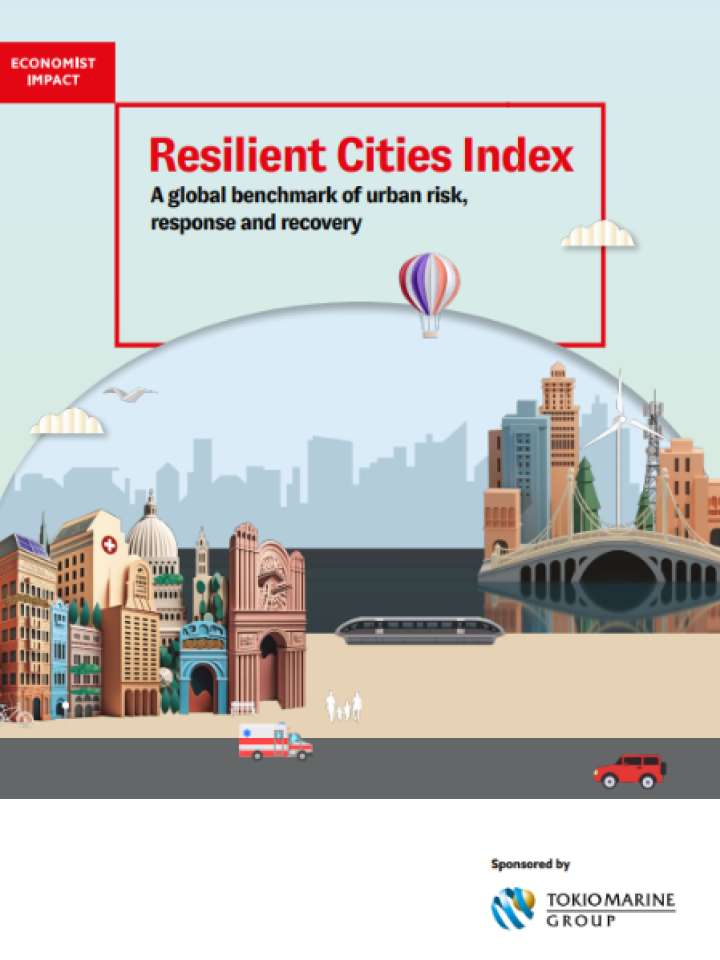
The Importance of City Resilience
City resilience is a crucial concept in urban planning and development. It refers to the ability of a city to withstand and recover from various challenges, such as natural disasters, economic downturns, and social disruptions. A resilient city is one that can adapt and thrive in the face of adversity, ensuring the well-being of its residents and the sustainability of its infrastructure.
Key Aspects of City Resilience
There are several key aspects that contribute to city resilience:
- Infrastructure: A resilient city has robust infrastructure systems that can withstand shocks and stresses. This includes reliable transportation networks, efficient water and energy supplies, and effective communication systems.
- Community Engagement: Engaging with local communities is essential for building resilience. Strong social connections and community networks can help cities respond effectively to crises and support vulnerable populations.
- Adaptability: Resilient cities are adaptable and flexible, able to adjust their strategies in response to changing circumstances. This may involve implementing new policies, technologies, or practices to enhance resilience.
- Sustainability: Sustainable practices are integral to city resilience. Cities that prioritise environmental conservation, resource efficiency, and climate action are better equipped to face future challenges.
The Benefits of City Resilience
Investing in city resilience offers numerous benefits for both residents and policymakers. Resilient cities are better prepared to handle emergencies, reduce risks, and protect public safety. They also attract investment, foster innovation, and improve quality of life for all inhabitants.
In conclusion, city resilience is a vital component of urban development in the 21st century. By prioritising resilience-building measures, cities can create safer, more sustainable environments that can withstand the uncertainties of an ever-changing world.
Nine Benefits of City Resilience: From Public Safety to Quality of Life
- Enhances public safety and security
- Reduces vulnerability to natural disasters
- Promotes sustainable urban development
- Fosters community cohesion and social capital
- Attracts investment and economic growth
- Improves infrastructure reliability and efficiency
- Supports climate change adaptation efforts
- Enhances emergency response capabilities
- Increases overall quality of life for residents
Challenges in Building City Resilience: Costs, Displacement, and Resource Allocation
- Costly to implement and maintain resilient infrastructure
- May lead to displacement of vulnerable communities during resilience projects
- Challenges in achieving consensus among stakeholders on resilience strategies
- Potential for over-reliance on technology, which can be vulnerable to failures
- Resilience measures may divert resources from other important urban development initiatives
Enhances public safety and security
Enhancing public safety and security is a significant benefit of city resilience. By investing in measures to build resilience, cities can better prepare for and respond to emergencies, natural disasters, and other threats. This proactive approach not only minimises risks to residents but also ensures that essential services can continue to function effectively during times of crisis. Strengthening public safety and security through resilience-building initiatives ultimately creates a more secure and resilient urban environment for all members of the community.
Reduces vulnerability to natural disasters
City resilience plays a crucial role in reducing vulnerability to natural disasters within urban areas. By implementing proactive measures such as robust infrastructure, effective emergency response plans, and community engagement, resilient cities are better equipped to withstand and recover from the impacts of natural calamities. These measures not only enhance the safety and well-being of residents but also minimise the economic and social disruptions caused by disasters, ultimately ensuring a more secure and sustainable urban environment for all inhabitants.
Promotes sustainable urban development
Promoting sustainable urban development is a key benefit of city resilience. By prioritising environmentally-friendly practices and infrastructure, resilient cities can reduce their carbon footprint, conserve resources, and minimise negative impacts on the natural environment. Sustainable urban development not only helps mitigate climate change but also enhances the quality of life for residents by creating healthier and more liveable communities. Through initiatives like green spaces, energy-efficient buildings, and public transportation systems, resilient cities pave the way for a more sustainable future while ensuring long-term prosperity for generations to come.
Fosters community cohesion and social capital
Fostering community cohesion and social capital is a significant benefit of city resilience. When a city prioritises resilience-building measures, it encourages collaboration, communication, and mutual support among its residents. Strong social connections and community networks not only enhance the overall well-being of individuals but also enable communities to come together in times of crisis. By building trust and solidarity, resilient cities create a sense of belonging and shared responsibility that strengthens the fabric of society and promotes a more cohesive and supportive urban environment for all.
Attracts investment and economic growth
City resilience plays a significant role in attracting investment and driving economic growth within urban areas. Cities that demonstrate strong resilience capabilities are perceived as stable and secure environments for businesses to thrive. Investors are more likely to allocate resources to cities that have robust infrastructure, effective risk management strategies, and a track record of successfully navigating challenges. By fostering a resilient environment, cities can create a conducive atmosphere for economic development, job creation, and overall prosperity for both residents and businesses alike.
Improves infrastructure reliability and efficiency
Improving infrastructure reliability and efficiency is a significant benefit of city resilience. By investing in robust infrastructure systems that can withstand various challenges, such as extreme weather events or technological disruptions, cities can ensure the continuous delivery of essential services to their residents. This not only enhances the overall reliability of infrastructure networks but also increases their efficiency, leading to cost savings, reduced downtime, and improved quality of life for urban dwellers. Ultimately, prioritising infrastructure resilience contributes to building stronger and more sustainable cities for the future.
Supports climate change adaptation efforts
City resilience plays a crucial role in supporting climate change adaptation efforts within urban environments. By implementing resilient strategies and infrastructure, cities can better withstand the impacts of climate change, such as extreme weather events, rising sea levels, and heatwaves. Through initiatives like green infrastructure development, flood management systems, and sustainable urban planning, resilient cities can mitigate the effects of climate change and enhance their ability to adapt to a changing climate. Prioritising city resilience not only safeguards communities against environmental threats but also fosters long-term sustainability and prosperity for future generations.
Enhances emergency response capabilities
Enhancing emergency response capabilities is a significant advantage of city resilience. Cities that invest in building resilience are better equipped to respond swiftly and effectively to emergencies such as natural disasters, public health crises, or security threats. By improving coordination among emergency services, implementing robust communication systems, and conducting regular drills and training exercises, resilient cities can minimise the impact of emergencies on their residents and infrastructure. This proactive approach not only saves lives but also helps in maintaining order and stability during times of crisis.
Increases overall quality of life for residents
City resilience plays a significant role in enhancing the overall quality of life for residents in urban areas. By investing in resilient infrastructure, fostering community engagement, and promoting sustainable practices, cities can create safer, healthier, and more liveable environments for their inhabitants. Residents benefit from improved access to essential services, reduced exposure to risks and hazards, and increased social cohesion. A resilient city not only provides a sense of security and well-being but also offers opportunities for personal growth, economic prosperity, and cultural enrichment, ultimately leading to a higher quality of life for all residents.
Costly to implement and maintain resilient infrastructure
Implementing and maintaining resilient infrastructure in cities can be a significant con due to the high costs involved. Building and upgrading infrastructure to withstand various challenges such as natural disasters, climate change, and social disruptions requires substantial financial investment. Moreover, ongoing maintenance and monitoring of resilient systems add to the long-term expenses for city authorities. The financial burden of ensuring city resilience may pose challenges for budget allocation and resource management, potentially leading to trade-offs with other essential services and projects within the urban environment. Balancing the necessity of resilient infrastructure with the costs associated with its implementation remains a complex issue for city planners and policymakers striving to enhance urban resilience.
May lead to displacement of vulnerable communities during resilience projects
City resilience initiatives, while crucial for the overall well-being of cities, may inadvertently lead to the displacement of vulnerable communities during project implementation. As cities strive to enhance their resilience through infrastructure upgrades or redevelopment projects, there is a risk that low-income or marginalized populations could be forced to relocate due to rising property values or redevelopment plans. This displacement can disrupt social networks, cultural heritage, and access to essential services for these communities, exacerbating existing inequalities. It is imperative for city planners and policymakers to address this con of city resilience by adopting inclusive strategies that protect vulnerable populations and ensure that all residents benefit from resilience-building efforts.
Challenges in achieving consensus among stakeholders on resilience strategies
Achieving consensus among stakeholders on resilience strategies poses a significant challenge in the pursuit of city resilience. With diverse interests, priorities, and perspectives at play, reaching a unified agreement on the most effective strategies can be complex and time-consuming. Stakeholders may have conflicting goals or varying levels of understanding regarding resilience measures, making it difficult to align their visions for the city’s future. Overcoming these challenges requires effective communication, collaboration, and compromise to ensure that all voices are heard and considered in the decision-making process. Failure to secure consensus among stakeholders may hinder the implementation of comprehensive resilience strategies and weaken the city’s ability to respond effectively to future challenges.
Potential for over-reliance on technology, which can be vulnerable to failures
One significant drawback of city resilience is the potential for over-reliance on technology, which can leave urban areas vulnerable to failures. Relying heavily on technological solutions for disaster response and infrastructure management may create a false sense of security. In the event of system malfunctions, cyber attacks, or power outages, cities could face significant disruptions that undermine their ability to bounce back from crises. It is essential for city planners to strike a balance between leveraging technology for resilience and maintaining alternative strategies to ensure continuity in the face of technological vulnerabilities.
Resilience measures may divert resources from other important urban development initiatives
One notable con of prioritising city resilience is that the implementation of resilience measures may divert resources and funding away from other crucial urban development initiatives. While investing in resilience is essential for preparing cities to withstand and recover from various challenges, such as natural disasters or social disruptions, it can sometimes lead to a disproportionate allocation of resources. This diversion may hinder the progress of other important projects aimed at improving infrastructure, enhancing public services, or promoting sustainable development within urban areas. Balancing the allocation of resources between resilience-building efforts and other urban development priorities is key to ensuring holistic and effective city planning.