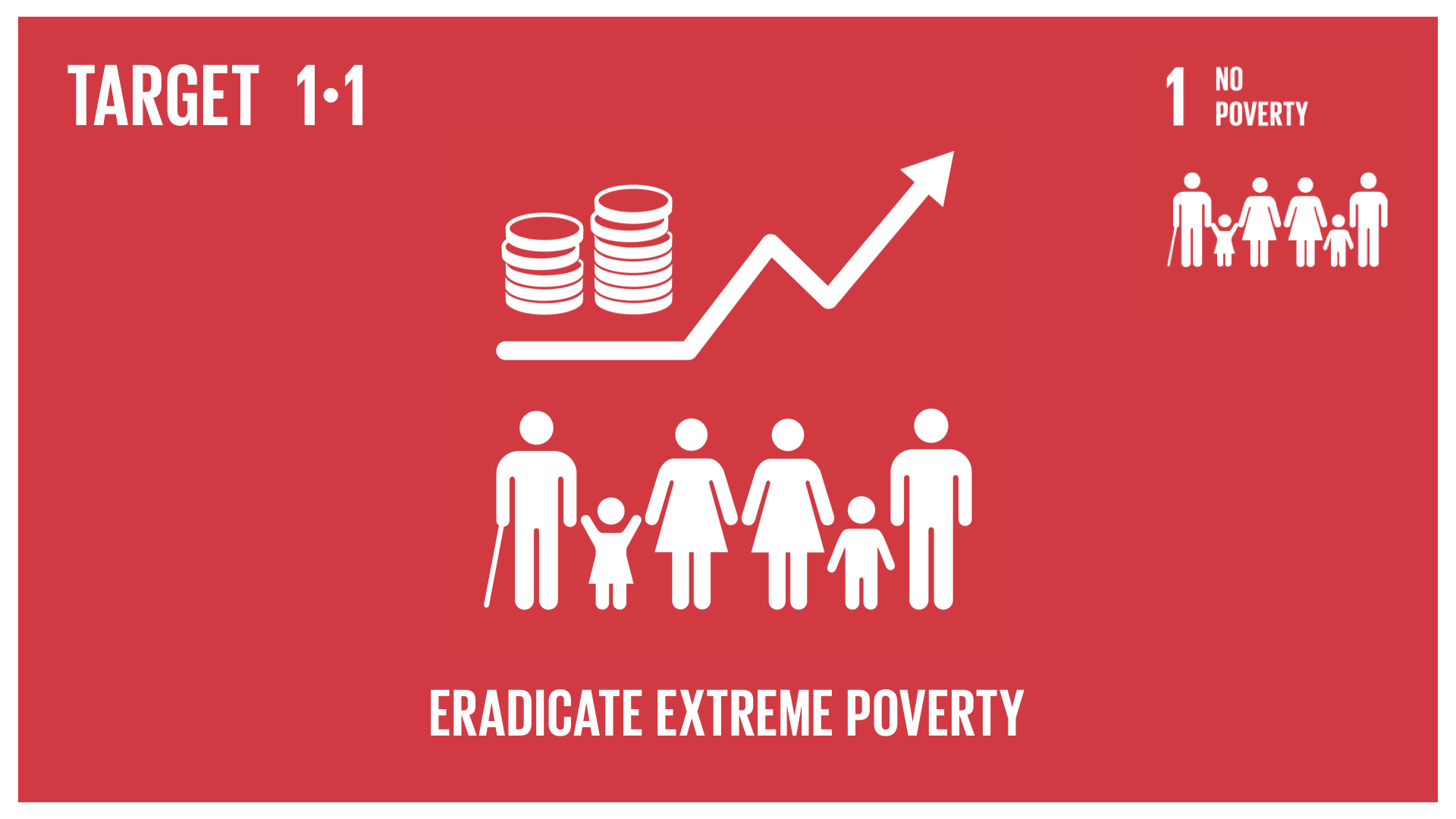
The Impact of Poverty on Sustainable Development Goals (SDG)
Poverty is a pervasive issue that affects millions of people worldwide, hindering progress towards achieving the Sustainable Development Goals (SDGs). The SDGs are a set of 17 global goals adopted by the United Nations to address various social, economic, and environmental challenges by 2030.
One of the key SDGs is to eradicate poverty in all its forms everywhere. However, poverty remains a significant barrier to sustainable development, impacting access to education, healthcare, clean water, and economic opportunities for individuals and communities.
Individuals living in poverty often face a cycle of deprivation that limits their ability to break free from economic hardship. This can perpetuate inequalities and hinder efforts to achieve other SDGs related to health, education, gender equality, and environmental sustainability.
Addressing poverty requires a multi-faceted approach that tackles the root causes of inequality and deprivation. This includes implementing social protection programs, promoting inclusive economic growth, providing quality education and healthcare services, and empowering marginalized communities.
By addressing poverty as a central issue in the pursuit of sustainable development goals, we can create a more equitable world where all individuals have the opportunity to thrive. It is essential for governments, organisations, and individuals to work together towards ending poverty and building a more sustainable future for generations to come.
Nine Strategies to Tackle Poverty: A Comprehensive Guide to Achieving the Sustainable Development Goal
- Support local businesses and industries to create job opportunities.
- Advocate for fair wages and better working conditions for all workers.
- Promote access to quality education and skills training for all individuals.
- Encourage sustainable farming practices to improve food security and reduce hunger.
- Invest in healthcare services to ensure everyone has access to essential medical care.
- Advocate for policies that address income inequality and social protection for vulnerable groups.
- Raise awareness about poverty issues and promote empathy towards those in need.
- Support community-based initiatives that provide resources and support to those living in poverty.
- Collaborate with government agencies, NGOs, and other stakeholders to implement effective poverty alleviation programmes.
Support local businesses and industries to create job opportunities.
Supporting local businesses and industries is a crucial step towards addressing poverty and achieving the Sustainable Development Goal of eradicating poverty. By investing in and promoting local enterprises, we can create job opportunities that empower individuals and communities to improve their economic well-being. Local businesses play a vital role in driving economic growth, fostering entrepreneurship, and strengthening the social fabric of communities. By supporting these businesses, we not only contribute to poverty reduction but also promote sustainable development at the grassroots level.
Advocate for fair wages and better working conditions for all workers.
Advocating for fair wages and improved working conditions for all workers is a crucial step towards addressing poverty and advancing the Sustainable Development Goal related to eradicating poverty. By ensuring that workers receive fair compensation for their labour and have access to safe and dignified working environments, we can empower individuals to break free from the cycle of poverty. Fair wages not only provide economic stability for workers and their families but also contribute to creating a more equitable society where everyone has the opportunity to thrive. It is essential to advocate for policies and practices that promote social justice and uphold the rights of all workers, ultimately fostering sustainable development and reducing poverty levels globally.
Promote access to quality education and skills training for all individuals.
Promoting access to quality education and skills training for all individuals is a crucial step towards addressing poverty and achieving the Sustainable Development Goal of eradicating poverty in all its forms. Education empowers individuals with the knowledge and skills needed to secure better employment opportunities, break the cycle of poverty, and contribute meaningfully to society. By ensuring that everyone has equal access to education and training, we can create a more inclusive and prosperous society where individuals have the tools they need to build a brighter future for themselves and their communities.
Encourage sustainable farming practices to improve food security and reduce hunger.
Encouraging sustainable farming practices is crucial in addressing poverty and achieving the Sustainable Development Goal of eradicating hunger. By promoting methods that enhance soil health, conserve water resources, and minimise environmental impact, we can improve food security for communities in need. Sustainable farming not only increases agricultural productivity but also ensures long-term access to nutritious food, ultimately breaking the cycle of hunger and poverty. Embracing these practices is essential for creating a more resilient and sustainable food system that benefits both present and future generations.
Invest in healthcare services to ensure everyone has access to essential medical care.
Investing in healthcare services is crucial to achieving the Sustainable Development Goal of eradicating poverty. By ensuring that everyone has access to essential medical care, we can address one of the fundamental barriers that keep individuals trapped in poverty. Access to healthcare not only improves health outcomes but also empowers individuals to lead productive lives and contribute meaningfully to society. By prioritising investments in healthcare services, we can create a more equitable and sustainable future where everyone has the opportunity to thrive.
Advocate for policies that address income inequality and social protection for vulnerable groups.
Advocating for policies that address income inequality and provide social protection for vulnerable groups is crucial in advancing the goal of eradicating poverty as outlined in the Sustainable Development Goals. By advocating for these policies, we can help create a more equitable society where individuals have equal access to resources and opportunities. Addressing income inequality and ensuring social protection for vulnerable groups not only lifts people out of poverty but also promotes inclusivity and social cohesion, ultimately contributing to a more sustainable and prosperous future for all.
Raise awareness about poverty issues and promote empathy towards those in need.
Raising awareness about poverty issues and promoting empathy towards those in need is crucial in advancing the Sustainable Development Goal of eradicating poverty. By educating individuals about the realities faced by those living in poverty and fostering a sense of empathy, we can inspire action and support for initiatives aimed at alleviating hardship and creating a more equitable society. Empathy not only drives compassion but also motivates collective efforts to address systemic inequalities and empower vulnerable communities towards a brighter future.
Support community-based initiatives that provide resources and support to those living in poverty.
Supporting community-based initiatives that provide resources and support to those living in poverty is a crucial step towards achieving the Sustainable Development Goal of eradicating poverty. These initiatives play a vital role in addressing the specific needs of local communities and empowering individuals to break the cycle of deprivation. By investing in grassroots projects that focus on education, healthcare, skills training, and economic opportunities, we can make a meaningful impact on improving the lives of those most affected by poverty. Collaboration with community organisations and active participation in these initiatives can help create sustainable solutions that uplift individuals and promote long-term development outcomes.
Collaborate with government agencies, NGOs, and other stakeholders to implement effective poverty alleviation programmes.
Collaborating with government agencies, non-governmental organisations (NGOs), and other stakeholders is crucial in implementing effective poverty alleviation programmes that align with the Sustainable Development Goal of eradicating poverty. By working together, these diverse entities can leverage their resources, expertise, and networks to design and implement comprehensive initiatives that address the root causes of poverty and create lasting impact. Such collaborations foster a more coordinated and sustainable approach to tackling poverty, ensuring that interventions are well-planned, targeted, and responsive to the needs of vulnerable communities.