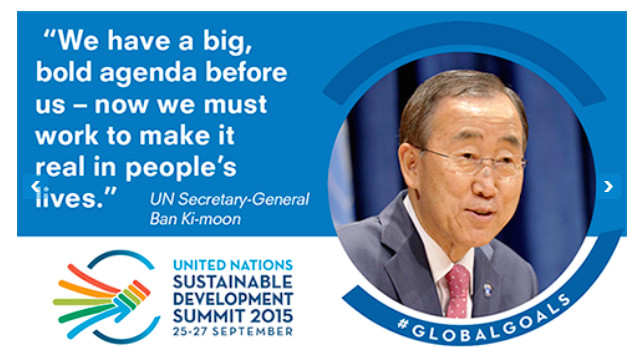
The Sustainable Development Goals of 2015: A Blueprint for a Better Future
In 2015, world leaders came together to adopt the Sustainable Development Goals (SDGs), a set of 17 ambitious targets aimed at addressing the most pressing global challenges. These goals build upon the Millennium Development Goals and provide a comprehensive framework for sustainable development that encompasses economic, social, and environmental dimensions.
At the heart of the SDGs is the commitment to leave no one behind and to create a more inclusive and sustainable world for all. From eradicating poverty and hunger to promoting gender equality and combating climate change, each goal represents a critical aspect of building a better future for current and future generations.
One of the key strengths of the SDGs is their interconnectedness. Recognising that no single issue exists in isolation, the goals are designed to be mutually reinforcing. For example, improving access to education (Goal 4) can help reduce poverty (Goal 1) and promote gender equality (Goal 5).
Another important aspect of the SDGs is their universality. While they were adopted by UN member states, their implementation requires collective action from governments, businesses, civil society organisations, and individuals worldwide. This shared responsibility underscores the need for collaboration and partnership across sectors and borders.
Five years on from their adoption, progress towards achieving the SDGs has been mixed. While some goals have seen significant advancements, others lag behind due to various challenges such as conflicts, natural disasters, and insufficient resources. However, it is crucial not to lose sight of the overarching vision of the SDGs – a world where prosperity is balanced with social equity and environmental sustainability.
As we look towards the future, it is clear that accelerating progress on the SDGs is more important than ever. The COVID-19 pandemic has underscored existing inequalities and vulnerabilities while highlighting the interconnected nature of global challenges. By redoubling our efforts towards achieving the SDGs, we can build back better from this crisis and create a more resilient and sustainable world for all.
The Sustainable Development Goals of 2015 serve as a roadmap for transformative change. By working together towards these common objectives, we can pave the way for a brighter future where prosperity is shared equitably, our planet is protected for future generations, and no one is left behind.
Benefits of the 2015 Sustainable Development Goals: A Comprehensive Pathway to a More Equitable and Resilient Future
- Comprehensive framework addressing economic, social, and environmental dimensions.
- Commitment to leave no one behind, promoting inclusivity and equality.
- Interconnected goals that reinforce each other for holistic progress.
- Universality requiring collective action from governments, businesses, and individuals worldwide.
- Encourages collaboration and partnerships across sectors and borders.
- Provides a roadmap for tackling global challenges such as poverty, hunger, and climate change.
- Emphasises the importance of sustainable practices for future generations.
- Promotes resilience in the face of crises like pandemics or natural disasters.
- Guides transformative change towards a more equitable and sustainable world.
Challenges Facing the 2015 Sustainable Development Goals: Complexity, Resource Constraints, Inequality, and Lack of Accountability
Comprehensive framework addressing economic, social, and environmental dimensions.
One of the key advantages of the Sustainable Development Goals (SDGs) of 2015 is their comprehensive framework that addresses not only economic aspects but also social and environmental dimensions. By encompassing a wide range of issues, from poverty eradication to climate action, the SDGs recognise the interconnected nature of global challenges. This holistic approach ensures that progress towards sustainable development is inclusive and sustainable, taking into account the needs of both people and the planet. By addressing economic, social, and environmental dimensions simultaneously, the SDGs offer a well-rounded strategy for building a more equitable, resilient, and environmentally conscious future for all.
Commitment to leave no one behind, promoting inclusivity and equality.
One of the key strengths of the Sustainable Development Goals of 2015 is their unwavering commitment to leave no one behind, promoting inclusivity and equality for all. By prioritising the needs of the most vulnerable and marginalised populations, these goals strive to create a more just and equitable world where everyone has the opportunity to thrive. Through this emphasis on inclusivity, the SDGs recognise that sustainable development can only be achieved when all individuals are empowered to participate fully in society, regardless of their background or circumstances. This focus on equality not only benefits those who have traditionally been left behind but also strengthens communities and societies as a whole, fostering a more sustainable and prosperous future for everyone.
Interconnected goals that reinforce each other for holistic progress.
One of the key advantages of the Sustainable Development Goals of 2015 is their interconnected nature, where each goal reinforces and supports the others, leading to holistic progress. By recognising the complex relationships between different aspects of sustainable development, such as poverty alleviation, education, gender equality, and environmental protection, the SDGs promote a more integrated approach to addressing global challenges. This interconnectedness ensures that advancements in one area can have positive ripple effects across multiple goals, ultimately contributing to a more comprehensive and sustainable path towards a better future for all.
Universality requiring collective action from governments, businesses, and individuals worldwide.
The universality of the Sustainable Development Goals of 2015 underscores the imperative for collective action from governments, businesses, and individuals worldwide. By acknowledging that sustainable development is a shared responsibility that transcends borders and sectors, the SDGs encourage collaboration and partnership on a global scale. This inclusive approach recognises that addressing complex challenges such as poverty, inequality, and climate change requires a coordinated effort from all stakeholders to create meaningful and lasting impact. Through working together towards common objectives, we can harness the collective power of diverse perspectives and resources to drive positive change for a more sustainable and equitable future for all.
Encourages collaboration and partnerships across sectors and borders.
One of the key benefits of the Sustainable Development Goals of 2015 is that they encourage collaboration and partnerships across sectors and borders. By emphasising the importance of collective action, these goals foster a sense of shared responsibility among governments, businesses, civil society organisations, and individuals worldwide. This collaborative approach not only allows for the pooling of resources and expertise but also promotes innovative solutions to complex global challenges. By working together towards common objectives, the SDGs create a platform for building sustainable partnerships that transcend geographical boundaries and sectoral divides, ultimately leading to more effective and impactful outcomes in achieving a better future for all.
Provides a roadmap for tackling global challenges such as poverty, hunger, and climate change.
The Sustainable Development Goals of 2015 offer a comprehensive roadmap for addressing critical global challenges, including poverty, hunger, and climate change. By setting clear targets and priorities, the SDGs provide a strategic framework for countries and stakeholders to focus their efforts on eradicating poverty, ensuring food security, and mitigating the impacts of climate change. This structured approach not only helps in prioritising actions but also fosters collaboration and coordination among different sectors and regions to work towards a more sustainable and equitable future for all.
Emphasises the importance of sustainable practices for future generations.
One significant pro of the Sustainable Development Goals of 2015 is their emphasis on the importance of sustainable practices for future generations. By prioritising sustainable development, these goals recognise the critical need to preserve our planet and its resources for the well-being of future populations. Through promoting environmentally friendly practices and responsible resource management, the SDGs aim to ensure that future generations inherit a world that is thriving, resilient, and able to meet their needs. This forward-looking approach not only safeguards the environment but also fosters a legacy of sustainability that can benefit generations to come.
Promotes resilience in the face of crises like pandemics or natural disasters.
One significant advantage of the Sustainable Development Goals of 2015 is their ability to promote resilience in the face of crises such as pandemics or natural disasters. By addressing issues like poverty, inequality, and environmental degradation, the SDGs help build stronger and more resilient communities that are better equipped to withstand and recover from unexpected shocks. This proactive approach not only enhances preparedness for emergencies but also fosters long-term sustainability by creating systems and infrastructure that can adapt and thrive in challenging circumstances.
Guides transformative change towards a more equitable and sustainable world.
One of the key advantages of the Sustainable Development Goals of 2015 is that they guide transformative change towards a more equitable and sustainable world. By setting clear targets and priorities across various sectors, these goals provide a roadmap for addressing inequality, promoting social inclusion, and safeguarding the environment. Through their holistic approach, the SDGs encourage countries and stakeholders to work together towards creating a future where prosperity is shared more fairly, resources are managed sustainably, and opportunities are accessible to all. This focus on transformative change not only benefits current populations but also ensures a more balanced and resilient world for generations to come.
Complexity
The complexity of the 17 Sustainable Development Goals (SDGs) poses a significant challenge for countries in prioritising and implementing them effectively. With a wide range of goals covering diverse aspects of sustainable development, governments may struggle to allocate resources and focus on the most critical areas. The interconnected nature of the goals also adds to the complexity, requiring comprehensive strategies that address multiple dimensions simultaneously. This complexity can lead to fragmentation in efforts and hinder progress towards achieving the SDGs in a cohesive and impactful manner.
Resource Constraints
Resource Constraints: Many developing countries face resource constraints that hinder their ability to fully commit to achieving all the SDGs, especially in the face of competing priorities. Limited financial resources, inadequate infrastructure, and capacity constraints pose significant challenges for these countries in implementing sustainable development initiatives. As a result, efforts to address poverty, hunger, climate change, and other critical issues outlined in the SDGs may be hampered by the lack of necessary resources. Without sufficient support and investment, these countries may struggle to make meaningful progress towards achieving the goals set out in 2015.
Inequality
Inequality remains a significant challenge in the pursuit of the Sustainable Development Goals of 2015. Despite the overarching aim of leaving no one behind, disparities persist both within and between countries, posing a formidable barrier to achieving equitable progress towards the SDGs for all populations. The unequal distribution of resources, opportunities, and access to essential services exacerbates existing social and economic divides, hindering efforts to create a more inclusive and sustainable world. Addressing these deep-rooted inequalities is essential to realising the transformative vision of the SDGs and ensuring that no individual or community is left behind in our collective journey towards a better future.
Lack of Accountability
A notable drawback of the Sustainable Development Goals of 2015 is the lack of accountability in monitoring progress and ensuring that governments and stakeholders uphold their commitments. This deficiency poses a significant challenge as it can result in gaps in implementation and hinder the assessment of overall impact. Without robust mechanisms for accountability, there is a risk that some parties may not fulfil their obligations towards achieving the SDGs, potentially undermining the collective efforts towards sustainable development. Addressing this con is crucial to ensure that the aspirations outlined in the SDGs are translated into tangible actions and outcomes that benefit societies worldwide.