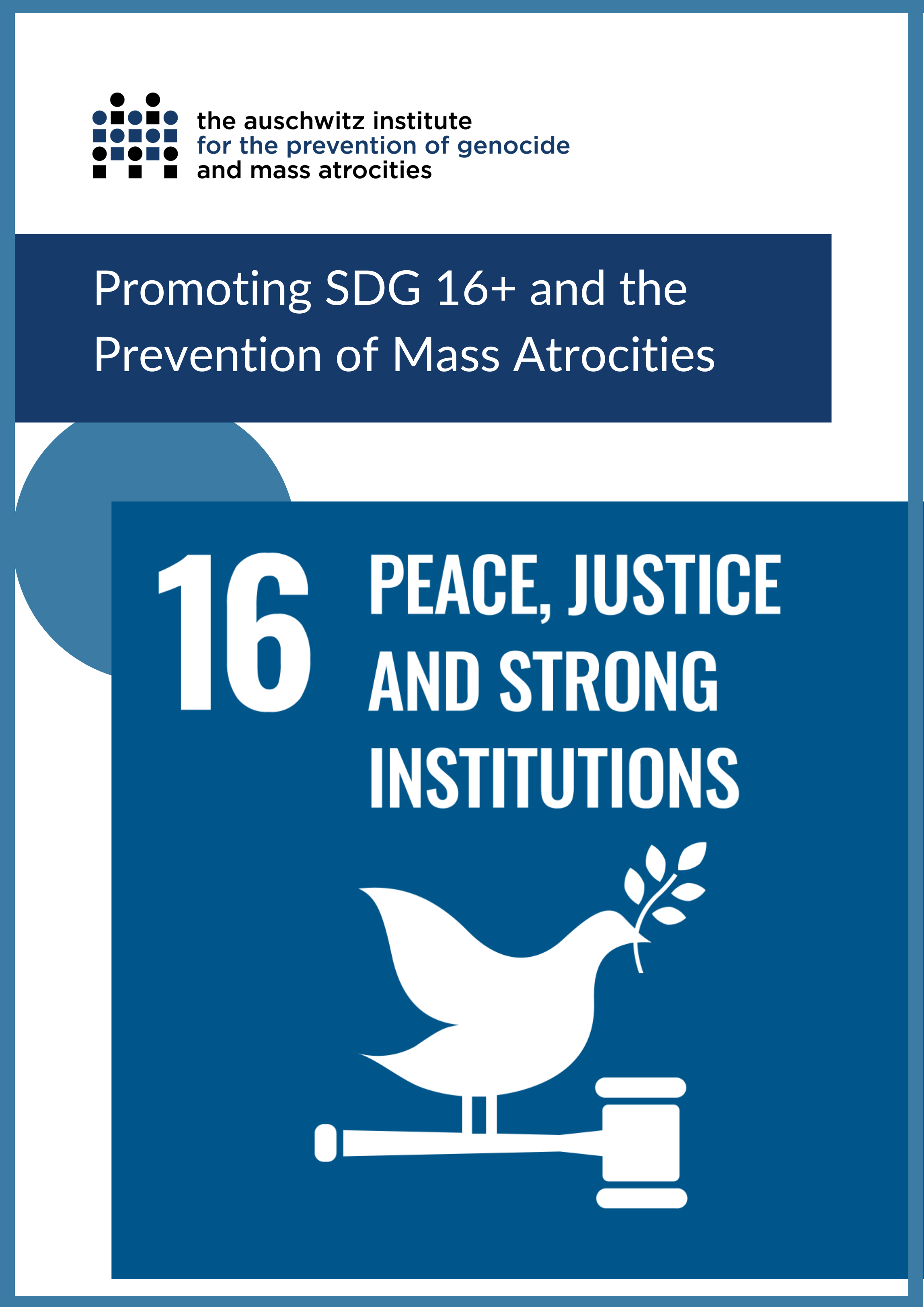
The Importance of UN Goal 16: Peace, Justice, and Strong Institutions
United Nations Sustainable Development Goal 16 focuses on promoting peace, justice, and strong institutions. This goal recognises that without these fundamental pillars in place, sustainable development cannot be achieved. Let’s delve into why Goal 16 is crucial for building a better world.
Promoting Peace
Peace is essential for the well-being of societies. Goal 16 aims to reduce violence in all its forms and create safe environments for people to live and thrive. By fostering peaceful societies, we can pave the way for progress in other areas such as education, health, and economic development.
Ensuring Justice
Justice is a cornerstone of a fair and equitable society. Goal 16 seeks to promote the rule of law at the national and international levels and ensure equal access to justice for all. By upholding justice, we can protect human rights, combat corruption, and build trust in institutions.
Building Strong Institutions
Strong institutions are essential for effective governance and sustainable development. Goal 16 calls for transparent, inclusive, and accountable institutions at all levels. By strengthening institutions, we can enhance public service delivery, promote good governance practices, and foster trust between governments and citizens.
The Path Forward
Achieving UN Goal 16 requires collective action from governments, civil society organisations, businesses, and individuals. By working together towards peace, justice, and strong institutions, we can create a more just and inclusive world for future generations.
7 Essential Strategies to Advance Peace, Justice, and Strong Institutions in Line with UN Goal 16
- Promote the rule of law at national and international levels.
- Ensure equal access to justice for all individuals.
- Reduce corruption and bribery in all forms.
- Develop effective, accountable, and transparent institutions at all levels.
- Strengthen inclusive decision-making processes.
- Protect fundamental freedoms in accordance with national legislation and international agreements.
- Promote and enforce non-discriminatory laws and policies for sustainable development.
Promote the rule of law at national and international levels.
Promoting the rule of law at both national and international levels is a crucial step towards achieving UN Goal 16: Peace, Justice, and Strong Institutions. By upholding the principles of justice and ensuring that laws are applied fairly and equitably, societies can create a foundation for peace and stability. At the international level, promoting the rule of law fosters cooperation between nations and helps resolve disputes peacefully. This tip underscores the importance of building legal frameworks that protect human rights, combat corruption, and uphold the principles of accountability and transparency in governance.
Ensure equal access to justice for all individuals.
Ensuring equal access to justice for all individuals is a fundamental aspect of United Nations Goal 16. By guaranteeing that everyone, regardless of their background or circumstances, has the same opportunities to seek legal redress and protection under the law, we can create a more equitable and just society. This principle not only upholds human rights but also fosters trust in the legal system and promotes social cohesion. By prioritising equal access to justice, we can address systemic inequalities and empower individuals to assert their rights and seek recourse when needed.
Reduce corruption and bribery in all forms.
Reducing corruption and bribery in all forms is a crucial aspect of achieving UN Goal 16: Peace, Justice, and Strong Institutions. By combatting these unethical practices, we can uphold the rule of law, promote transparency, and build trust in institutions. Addressing corruption not only fosters a fairer society but also ensures that resources are allocated efficiently for the benefit of all. It is imperative that concerted efforts are made to eliminate corruption and bribery to create a more just and equitable world for everyone.
Develop effective, accountable, and transparent institutions at all levels.
Developing effective, accountable, and transparent institutions at all levels is a crucial aspect of UN Goal 16: Peace, Justice, and Strong Institutions. By ensuring that institutions are efficient and responsive to the needs of the people they serve, we can promote trust, uphold the rule of law, and combat corruption. Transparency in decision-making processes fosters accountability and helps build a foundation for a more just and equitable society. Embracing these principles not only strengthens governance but also contributes to sustainable development and peacebuilding efforts worldwide.
Strengthen inclusive decision-making processes.
Strengthening inclusive decision-making processes is a key aspect of UN Goal 16, which focuses on promoting peace, justice, and strong institutions. By ensuring that diverse voices are heard and represented in decision-making, we can create more equitable and transparent governance structures. Inclusive decision-making not only fosters trust in institutions but also leads to better outcomes that reflect the needs and perspectives of all members of society. Embracing inclusivity in decision-making processes is essential for building a more peaceful, just, and sustainable world for everyone.
Protect fundamental freedoms in accordance with national legislation and international agreements.
Protecting fundamental freedoms in accordance with national legislation and international agreements is a crucial aspect of UN Goal 16: Peace, Justice, and Strong Institutions. By upholding these freedoms, societies can ensure that individuals are able to exercise their rights without fear of discrimination or persecution. It is essential for governments to respect and safeguard these freedoms as outlined in legal frameworks to create a more just and equitable society. Additionally, adherence to international agreements reinforces the commitment to upholding human rights on a global scale, fostering a culture of respect, tolerance, and inclusivity.
Promote and enforce non-discriminatory laws and policies for sustainable development.
Promoting and enforcing non-discriminatory laws and policies is a critical step towards achieving sustainable development under UN Goal 16. By ensuring that laws and policies are inclusive and fair for all individuals, regardless of their background or identity, we create a more just and equitable society. This approach not only upholds human rights but also fosters social cohesion and trust in institutions. By actively working to eliminate discrimination in all its forms, we can build stronger communities and pave the way for a more sustainable future for everyone.