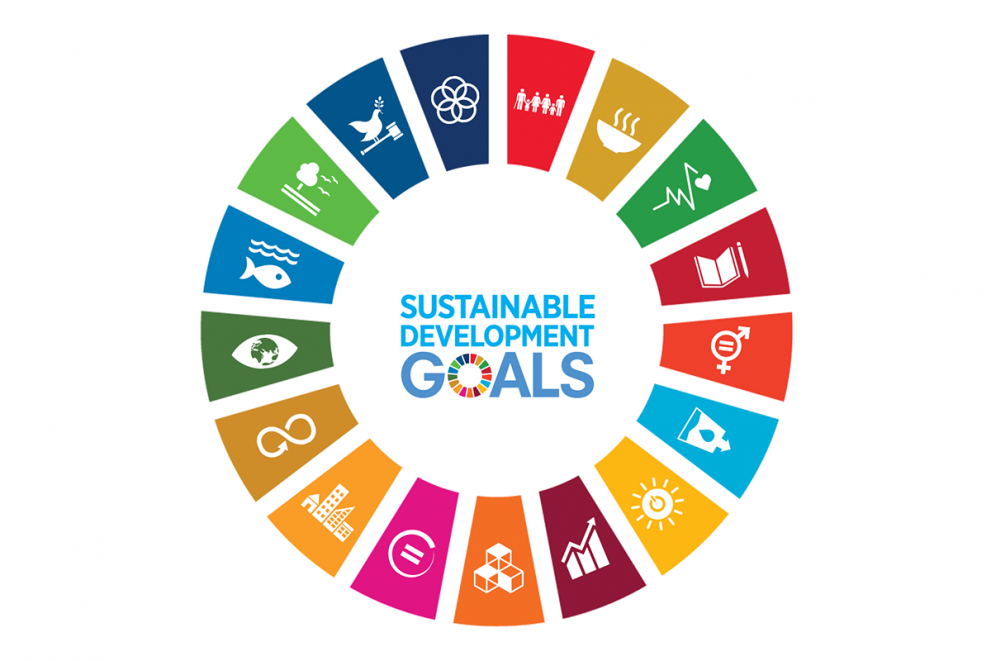
The UN Global Sustainability Goals: A Shared Plan for a Better Future
The United Nations Global Sustainability Goals, formally known as the Sustainable Development Goals (SDGs), are a shared plan to improve people’s lives and protect the planet. Adopted by all UN Member States in 2015 as part of the 2030 Agenda for Sustainable Development, they set out 17 goals and 169 targets for countries and communities to work towards by 2030.
What are the 17 Sustainable Development Goals?
- No Poverty
- Zero Hunger
- Good Health and Well-being
- Quality Education
- Gender Equality
- Clean Water and Sanitation
- Affordable and Clean Energy
- Decent Work and Economic Growth
- Industry, Innovation and Infrastructure
- Reduced Inequalities
- Sustainable Cities and Communities
- Responsible Consumption and Production
- Climate Action
- Life Below Water
- Life on Land
- Peace, Justice and Strong Institutions
- Partnerships for the Goals
A connected approach to sustainability
The goals recognise that social, economic and environmental issues are closely linked. Improving access to education, for example, can support better employment prospects and help reduce poverty. Clean energy can improve health, create jobs and reduce greenhouse gas emissions. Progress in one area can therefore contribute to progress in several others.
The SDGs apply to every country, not only those facing the greatest levels of poverty. Each government is encouraged to set priorities, develop policies and measure progress in a way that reflects its own circumstances. Businesses, charities, researchers, local authorities and individuals also have a part to play.
Why the goals matter
The goals provide a common framework for tackling some of the world’s most urgent challenges. These include poverty and hunger, unequal access to healthcare and education, unsafe working conditions, pollution, biodiversity loss and climate change. They also emphasise human rights, inclusion and the importance of peaceful, accountable institutions.
For cities and communities, the goals offer a useful way to connect local decisions with wider global priorities. Housing, public transport, green spaces, clean air and access to essential services all influence whether communities are healthy, inclusive and sustainable.
Progress and challenges
Since 2015, countries and organisations have used the SDGs to guide policies, investment and public reporting. However, progress has been uneven, and many targets remain difficult to achieve. Conflict, economic pressures, inequality and the effects of climate change can slow or reverse improvements. Reliable data and adequate funding are also essential to understand where action is most needed.
Meeting the 2030 targets requires more than setting ambitions. It calls for practical plans, long-term investment, cooperation across sectors and honest measurement of results. Progress should include everyone, particularly people and communities who face the greatest barriers.
How individuals and organisations can contribute
Individuals can support the goals through everyday choices and civic participation: reducing waste, using resources thoughtfully, supporting inclusive workplaces and communities, and engaging with local decision-makers. Organisations can review their environmental and social impacts, set measurable objectives and report openly on their progress.
No single action can achieve the goals on its own. Their value lies in providing a shared direction and encouraging people, institutions and countries to work together. The Sustainable Development Goals are both a global commitment and a practical reminder that a fairer, healthier and more sustainable future depends on choices made at every level.
Advancing a Sustainable Future: The Benefits of UN Global Sustainability Goals
- Provide a shared plan for a better future.
- Help guide action on poverty and hunger.
- Promote access to quality education and healthcare.
- Encourage gender equality and reduced inequality.
- Support clean energy and climate action.
- Promote sustainable cities and communities.
- Protect marine and land ecosystems.
- Encourage global partnerships and cooperation.
Challenges in Achieving UN Global Sustainability Goals: Measurement, Funding, Realism, Local Relevance, and Reporting Complexities
- The goals can be difficult to measure consistently.
- Progress depends on sustained funding and political commitment.
- Some targets may be unrealistic by 2030.
- Global priorities may not fit every local context.
- Reporting can be complex and resource-intensive.
Provide a shared plan for a better future.
The UN Global Sustainability Goals provide countries, communities and organisations with a shared plan for building a better future. By setting common priorities—from ending poverty and improving health to protecting the climate—they help bring people together around clear aims and encourage coordinated action. This shared framework also makes it easier to track progress, identify where support is needed and ensure that efforts in one area contribute to wider, lasting change.
Help guide action on poverty and hunger.
The UN Global Sustainability Goals help guide action on poverty and hunger by giving governments, organisations and communities shared targets to work towards. Goals such as No Poverty and Zero Hunger focus attention on access to nutritious food, decent work, social protection and essential services. This common framework can help decision-makers identify priorities, coordinate support and track progress, while encouraging solutions that address the underlying causes of poverty and food insecurity.
Promote access to quality education and healthcare.
The UN Global Sustainability Goals promote access to quality education and healthcare by setting clear ambitions for inclusive, affordable services for everyone. Quality education can give people the knowledge and skills to thrive, while accessible healthcare supports healthier lives and helps communities withstand future challenges. By encouraging governments and organisations to address barriers such as poverty, discrimination and location, the goals help create fairer opportunities for people of all ages and backgrounds.
Encourage gender equality and reduced inequality.
The UN Global Sustainability Goals promote gender equality and reduced inequality by calling for equal rights, opportunities and access to resources for everyone, regardless of gender, age, disability, ethnicity or background. They encourage action to tackle discrimination, close gaps in education and employment, and ensure that people who are often under-represented have a voice in decisions that affect them. By supporting fairer and more inclusive societies, the goals can help individuals and communities participate fully and share in social and economic progress.
Support clean energy and climate action.
The UN Global Sustainability Goals support the shift to clean, affordable energy and stronger climate action. Goal 7 promotes access to reliable, sustainable energy, while Goal 13 calls for urgent measures to tackle climate change. Together, they encourage investment in renewable power, energy efficiency and resilient communities, helping to reduce greenhouse gas emissions and protect people and ecosystems from climate-related risks.
Promote sustainable cities and communities.
The UN Global Sustainability Goals promote sustainable cities and communities by encouraging places that are inclusive, safe, resilient and environmentally responsible. They support better access to affordable housing, reliable public transport, green spaces and essential services, while encouraging communities to reduce pollution, use resources wisely and prepare for climate-related risks. By helping local authorities and residents plan for long-term wellbeing, the goals can make cities healthier and more liveable for everyone.
Protect marine and land ecosystems.
The UN Global Sustainability Goals help protect marine and land ecosystems by encouraging action to conserve biodiversity, restore damaged habitats and use natural resources responsibly. Goals such as Life Below Water and Life on Land focus on reducing pollution, protecting forests and oceans, and safeguarding the plants and animals that depend on them. These efforts support healthier ecosystems, which are essential for clean air and water, food security and resilient communities.
Encourage global partnerships and cooperation.
One of the key strengths of the UN Global Sustainability Goals is their ability to encourage partnerships and cooperation across borders. Because the goals are shared by countries around the world, they provide a common framework for governments, businesses, communities and charities to work towards similar priorities. This collaboration makes it easier to share knowledge, technology and resources, and to coordinate action on challenges such as climate change, poverty and public health. By bringing diverse partners together, the goals can help turn local efforts into broader, lasting progress.
The goals can be difficult to measure consistently.
A key challenge with the UN Global Sustainability Goals is that progress can be difficult to measure consistently. Countries may use different methods, definitions and data sources, while some lack the resources or reliable information needed to track results. This can make comparisons less meaningful and obscure whether reported progress reflects real improvements. Consistent indicators and transparent reporting are therefore essential for assessing what is working and where further action is needed.
Progress depends on sustained funding and political commitment.
A key challenge of the UN Global Sustainability Goals is that progress depends on sustained funding and political commitment. Delivering long-term improvements in areas such as healthcare, education and clean energy requires reliable investment, while changes in government priorities or economic pressures can disrupt plans. Without consistent support, programmes may stall, and countries and communities may struggle to meet their targets by 2030.
Some targets may be unrealistic by 2030.
Some of the UN’s global sustainability targets may be unrealistic by 2030, particularly in countries facing conflict, poverty, limited resources or weak infrastructure. Progress can also be slowed by economic shocks and climate-related disasters. When targets are highly ambitious but difficult to achieve, governments and organisations may struggle to meet them, which can undermine confidence in the goals. Clear priorities, adequate funding and regular reviews can help keep the targets useful while acknowledging the different circumstances and starting points of each country.
Global priorities may not fit every local context.
One drawback of the UN Global Sustainability Goals is that global priorities may not always fit local contexts. Countries and communities differ in their cultures, resources, economies and most urgent needs, so a target designed to guide action worldwide may not reflect what is practical or appropriate in a particular place. If goals are applied too rigidly, they can overlook local knowledge and priorities; adapting them to suit local circumstances is therefore essential.
Reporting can be complex and resource-intensive.
Reporting on the UN Global Sustainability Goals can be complex and resource-intensive, particularly for smaller organisations with limited staff, time and funding. Collecting reliable data across multiple goals, choosing relevant indicators and meeting different reporting requirements can involve significant effort. This may divert resources from practical sustainability work and make it harder for organisations to communicate their progress clearly and consistently.