The Meaning of Sustainable Management
Sustainable management is a concept that has gained increasing importance in today’s world, where environmental concerns and social responsibility are at the forefront of decision-making processes. But what exactly does sustainable management mean?
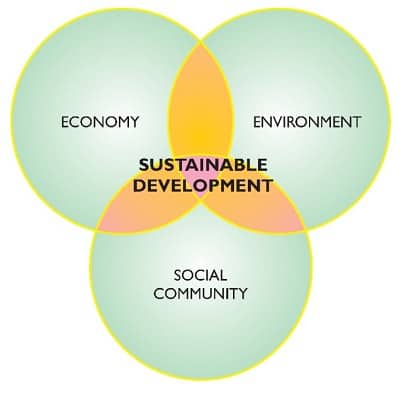
At its core, sustainable management refers to the practice of using resources in a way that meets the needs of the present without compromising the ability of future generations to meet their own needs. It involves making decisions that take into account not only short-term gains but also long-term impacts on the environment, society, and economy.
Key principles of sustainable management include:
- Environmental Conservation: Ensuring that natural resources are used efficiently and responsibly to minimise waste and pollution.
- Social Equity: Promoting fairness and equality in decision-making processes to benefit all members of society.
- Economic Viability: Balancing financial considerations with environmental and social objectives to create long-term value.
- Inter-generational Equity: Considering the needs of future generations and ensuring that resources are managed sustainably for their benefit.
- Cross-sector Collaboration: Encouraging cooperation between different stakeholders, including government, businesses, communities, and non-profit organisations, to achieve common sustainability goals.
Sustainable management is not just a theoretical concept; it requires practical implementation across all levels of society. Businesses can adopt sustainable practices in their operations by reducing energy consumption, minimising waste production, and investing in renewable resources. Governments can enact policies that promote sustainability through regulations, incentives, and public awareness campaigns. Individuals can also contribute by making conscious choices in their daily lives that support sustainability efforts.
In conclusion, sustainable management is about taking a holistic approach to resource use and decision-making to ensure a better future for all. By embracing this concept and incorporating it into our personal and professional lives, we can work towards creating a more resilient, equitable, and prosperous world for generations to come.
Understanding Sustainable Management: Key Concepts and FAQs
- What is the sustainability management?
- What are the 4 pillars of sustainability?
- What is sustainable management and why is it important?
- What is an example of sustainable management?
- What is a simple definition of sustainable?
- What is the meaning of sustainable management?
- What is the aim of sustainable management?
What is the sustainability management?
“Sustainability management, often referred to as sustainable management, encompasses the strategic approach of balancing economic, social, and environmental considerations in decision-making processes to ensure long-term viability and resilience. It involves integrating sustainability principles into organisational practices to address current needs without compromising the ability of future generations to meet their own. Sustainability management focuses on fostering a harmonious relationship between business activities and the environment, society, and economy, aiming for a more sustainable and equitable future for all stakeholders involved.”
What are the 4 pillars of sustainability?
The four pillars of sustainability, often referred to as the four dimensions of sustainability, are environmental, social, economic, and cultural sustainability. These pillars represent the interconnected aspects that need to be balanced and integrated to achieve sustainable development. Environmental sustainability focuses on preserving natural resources and ecosystems for future generations. Social sustainability emphasises equity, social justice, and community well-being. Economic sustainability involves promoting prosperity while ensuring responsible resource management. Lastly, cultural sustainability recognises the importance of preserving cultural heritage and diversity in sustainable development efforts. By addressing all four pillars of sustainability, organisations and communities can work towards a more resilient and harmonious future for all.
What is sustainable management and why is it important?
Sustainable management is a strategic approach to using resources efficiently and responsibly to meet present needs without compromising the ability of future generations to meet their own needs. It encompasses practices that consider environmental, social, and economic impacts in decision-making processes. Sustainable management is important because it promotes long-term viability by ensuring that resources are not depleted or degraded beyond repair. By adopting sustainable practices, organisations and communities can reduce their environmental footprint, enhance social equity, and create economic value that benefits both current and future generations. Embracing sustainable management is crucial for addressing pressing global challenges such as climate change, resource scarcity, and social inequality.
What is an example of sustainable management?
An example of sustainable management can be seen in the practice of implementing renewable energy sources, such as solar or wind power, to reduce reliance on fossil fuels and lower carbon emissions. By investing in and utilising renewable energy technologies, organisations can not only decrease their environmental impact but also contribute to long-term sustainability goals. This proactive approach aligns with the principles of sustainable management by prioritising the efficient use of resources, reducing harm to the environment, and promoting economic viability through innovative solutions.
What is a simple definition of sustainable?
A simple definition of sustainable refers to the ability to maintain or uphold something over time without depleting resources or causing harm to the environment. In the context of sustainable management, it means making decisions and taking actions that meet present needs while also ensuring that future generations can meet their own needs. Sustainability involves a balanced approach that considers social, environmental, and economic factors to create long-term benefits for society as a whole.
What is the meaning of sustainable management?
The meaning of sustainable management lies in the practice of responsibly utilising resources to meet present needs without compromising the ability of future generations to fulfil their own requirements. It involves making decisions that consider long-term environmental, social, and economic impacts alongside short-term gains. Sustainable management encompasses principles such as environmental conservation, social equity, economic viability, inter-generational equity, and cross-sector collaboration. By embracing sustainable management practices, individuals, businesses, and governments can contribute towards creating a more sustainable and equitable future for all.
What is the aim of sustainable management?
The aim of sustainable management is to strike a balance between meeting present needs and ensuring the well-being of future generations. By adopting sustainable practices, the goal is to preserve natural resources, protect the environment, promote social equity, and maintain economic viability over the long term. Sustainable management seeks to address challenges such as climate change, resource depletion, and social inequality by integrating environmental, social, and economic considerations into decision-making processes. Ultimately, the aim is to create a harmonious relationship between human activities and the natural world, fostering a more resilient and sustainable future for all.