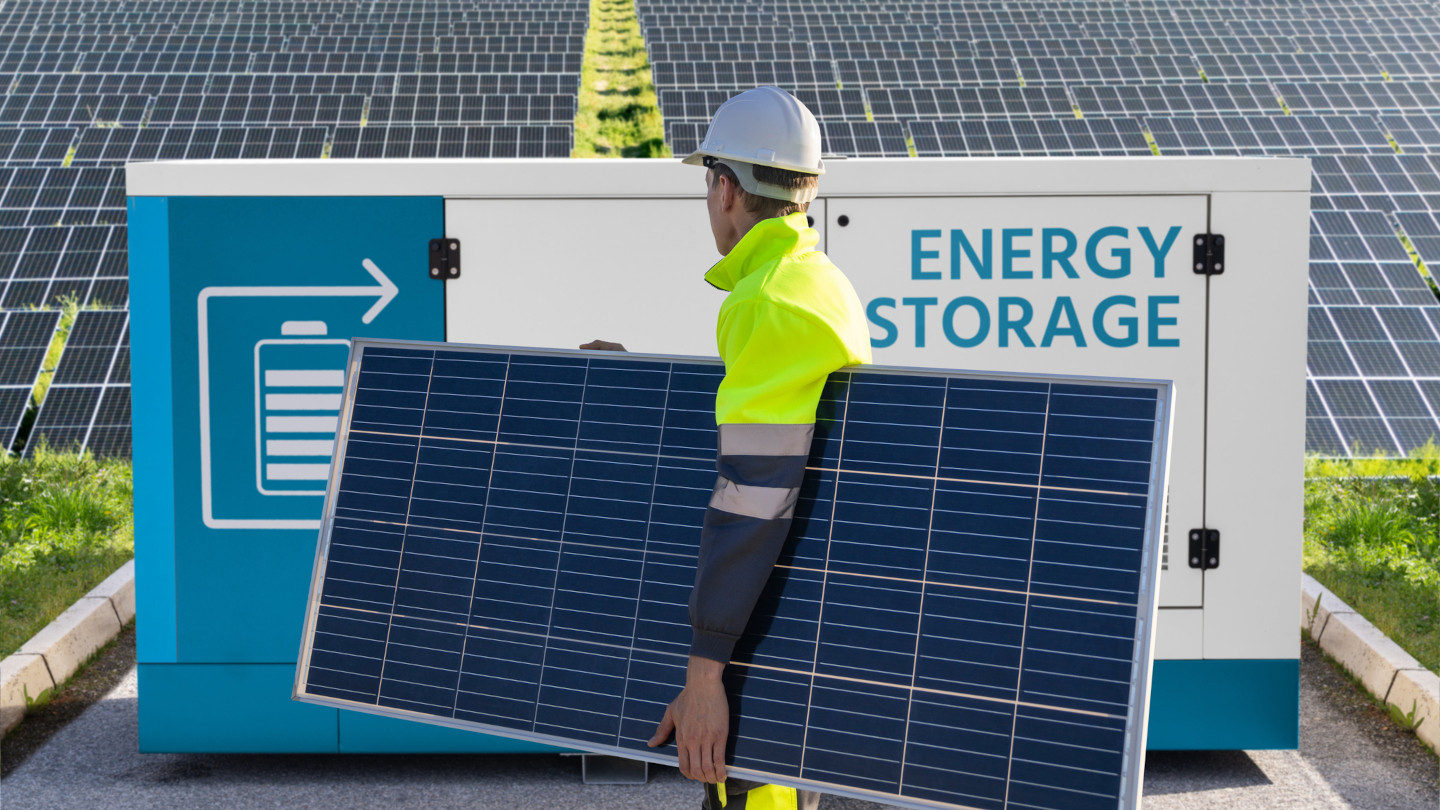
Solar Energy Storage Solutions: Making the Most of the Sun
Solar panels generate electricity when sunlight is available, but household and business energy use does not always follow the same pattern. Many panels produce most of their power during the day, while demand may rise in the evening. Solar energy storage helps bridge that gap, allowing surplus electricity to be kept for later use.
Storage can improve how much solar power is used on site, provide greater control over energy costs and, in some cases, offer backup during a power cut. The right solution depends on how much energy is generated and used, the available space, the budget and the type of electricity supply.
How solar energy storage works
When solar panels generate more electricity than a property needs, the excess can be exported to the electricity grid or diverted into a storage system. At a later time, stored energy can be used when the panels are producing less power, such as in the evening or overnight.
A system typically includes solar panels, an inverter and a storage unit. The inverter manages the flow of electricity between the panels, the battery, the property and the grid. Some systems use a hybrid inverter that can work with both solar panels and a battery, while others add a battery to an existing solar installation.
Battery storage
Batteries are the most familiar storage option for homes and many businesses. Lithium-ion batteries are widely used because they are compact and can respond quickly to changes in electricity demand. Other battery chemistries are also available, each with different characteristics, costs and performance requirements.
A battery’s capacity, usually measured in kilowatt-hours (kWh), indicates how much energy it can store. Its power rating, measured in kilowatts (kW), describes how much electricity it can supply at one time. Both figures matter: a battery may hold plenty of energy but still be unable to run several high-powered appliances simultaneously.
Some battery systems are designed to provide backup power during an outage. This feature is not automatic in every installation, so it is important to check whether the system can operate independently of the grid and which circuits it can supply.
Other storage approaches
Electrical batteries are not the only way to store energy from solar generation. Other options may suit particular buildings, businesses or local energy networks:
- Hot-water storage: Surplus solar electricity can power an immersion heater or heat pump, storing energy as hot water for later use. This can be a relatively straightforward way to make use of excess generation.
- Thermal storage: Heat can be stored in materials such as water or purpose-designed thermal stores, then used for heating or hot-water needs.
- Pumped hydro: At a larger scale, surplus electricity can pump water uphill. Releasing it through turbines later generates electricity. The approach requires suitable locations and significant infrastructure.
- Hydrogen: Electricity can be used to produce hydrogen, which can be stored and converted back into energy when required. The process involves energy losses and is generally better suited to certain larger-scale or industrial applications than routine home storage.
Choosing a suitable system
Before installing storage, it is worth understanding the property’s energy use. Electricity bills, smart-meter data and solar generation records can help show when surplus power is available and when energy is needed. A suitably sized battery should match these patterns rather than simply being as large as possible.
Important considerations include:
- Capacity and power: Check how much energy the system can store and how quickly it can supply it.
- Usable capacity: The amount available for everyday use may differ from the battery’s stated total capacity.
- Efficiency: Some energy is lost when electricity is stored and later used. Compare the system’s round-trip efficiency.
- Warranty and lifespan: Review the warranty terms, expected operating life and any limits on battery use.
- Compatibility: Confirm that the battery, inverter, solar panels and energy-management controls will work together.
- Installation and safety: Use a qualified installer and follow the manufacturer’s guidance on location, ventilation and maintenance.
- Costs and tariffs: Compare the full installed cost with likely savings, export payments and any time-of-use electricity tariffs.
Storage, smart tariffs and the grid
A battery can sometimes be charged from the grid as well as from solar panels. Where time-of-use tariffs are available, a system may be set to charge when electricity prices are lower and discharge when prices are higher. The potential value depends on tariff terms, system controls, energy use and the difference between prices at different times.
Some systems can also take part in services that help balance the electricity grid. Availability and eligibility vary, so any projected income should be checked carefully and not treated as guaranteed.
Is solar storage right for you?
Storage is most useful when a property regularly has surplus solar electricity and needs power later, or when backup capability is a priority. It may be less attractive if most solar generation is already used as it is produced, if installation costs are high relative to expected savings, or if the property has limited space.
A battery does not generate electricity; it shifts energy from one time to another. The best result usually comes from sizing the storage system around real energy-use patterns and considering practical measures such as running appliances during sunny hours or using surplus generation to heat water.
Looking ahead
As solar installations and electricity demand grow, energy storage will play an increasingly important role in using renewable power effectively. Improvements in batteries, controls and electricity tariffs are giving households and organisations more ways to manage when they generate, store and use energy.
For anyone considering a system, the first step is to compare their energy needs with the available options. A carefully selected solution can help make solar power more useful throughout the day while supporting a more flexible and resilient energy system.
7 Essential Tips for Choosing the Right Solar Energy Storage Solutions
- Size your battery to match your evening electricity use.
- Compare usable capacity, not just advertised capacity.
- Check the battery’s warranty and expected cycle life.
- Choose a system compatible with your solar inverter.
- Use smart controls to charge when electricity is cheaper.
- Consider backup power needs during grid outages.
- Get quotes from qualified, certified installers.
Size your battery to match your evening electricity use.
Size your battery to match your evening electricity use, when solar panels are producing little or no power. Check your energy data to see how much electricity you typically use between sunset and bedtime, then choose a battery with enough usable capacity to cover a suitable share of that demand. A battery that is too small may run out quickly, while an oversized one can add unnecessary cost. Keep in mind that actual performance depends on the battery’s usable capacity, efficiency and the appliances you run.
Compare usable capacity, not just advertised capacity.
When comparing solar batteries, look beyond the advertised capacity and check the usable capacity: the amount of stored energy you can actually draw on. Some batteries reserve a portion of their capacity to protect performance or extend their lifespan, so two models with the same advertised capacity may deliver different amounts of usable energy. Comparing this figure makes it easier to choose a battery that suits your household’s needs and to assess its value accurately.
Check the battery’s warranty and expected cycle life.
Before choosing a solar battery, check its warranty and expected cycle life to understand how long it is likely to perform reliably. The warranty may cover a set number of years, energy throughput or charge-and-discharge cycles, and may specify how much capacity the battery should retain over time. Compare these details across models, and make sure the terms suit how often you expect to use the battery.
Choose a system compatible with your solar inverter.
Choose a storage system that is compatible with your solar inverter to ensure the components can communicate and work together safely and efficiently. Some batteries connect to a hybrid inverter, while others use their own inverter and may be better suited to an existing solar installation. Check the manufacturers’ specifications and ask a qualified installer to confirm compatibility before you buy, as replacing or upgrading equipment can add to the cost.
Use smart controls to charge when electricity is cheaper.
Use smart controls to charge your battery when electricity prices are lower, such as during off-peak periods, and save that energy for times when power costs more. If your system also uses solar panels, configure it to make the best use of surplus daytime generation. Check that your battery, inverter and tariff are compatible, and review the settings regularly to make sure they suit your energy use.
Consider backup power needs during grid outages.
When choosing a solar energy storage system, consider which appliances and essential services you would need to keep running during a grid outage. Not all batteries provide backup power automatically, and some can only supply selected circuits or a limited amount of electricity. Ask your installer whether the system can operate independently of the grid, how long it could power your essential equipment and whether additional components are needed.
Get quotes from qualified, certified installers.
Get quotes from several qualified, certified installers before choosing a solar energy storage system. Ask each installer to assess your energy use, explain the recommended battery size and expected performance, and provide a clear breakdown of equipment, installation costs, warranties and any ongoing maintenance. Comparing like-for-like quotes can help you spot unrealistic savings claims and choose a safe, reliable system that suits your needs.