The Significance of Mental Health in Achieving the Sustainable Development Goals (SDGs)
Mental health plays a crucial role in the overall well-being and development of individuals and communities. It is not only a fundamental human right but also an essential component for achieving the Sustainable Development Goals (SDGs) set by the United Nations.
According to the World Health Organization (WHO), mental health is defined as a state of well-being in which every individual realizes their potential, can cope with the normal stresses of life, can work productively and fruitfully, and is able to make a contribution to their community.
Despite its importance, mental health has often been overlooked in the global development agenda. However, with the adoption of the SDGs in 2015, there has been a growing recognition of the need to address mental health issues as part of sustainable development efforts.
The Link Between Mental Health and SDGs
Mental health intersects with various aspects of the SDGs. For instance:
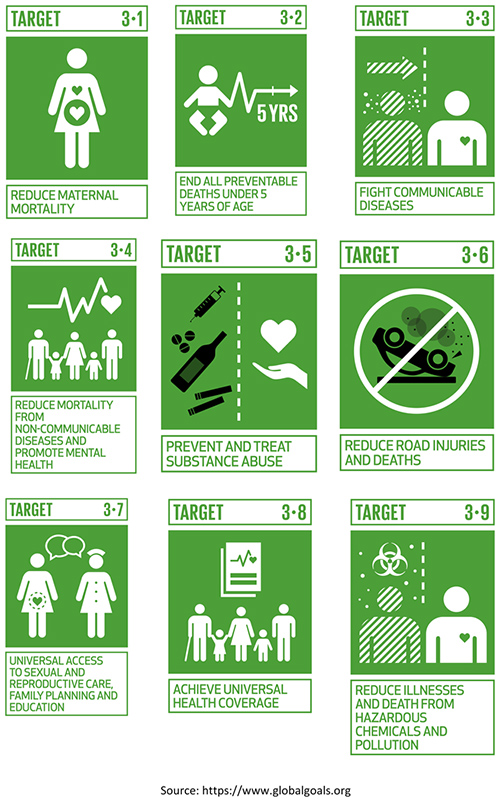
- Goal 3: Good Health and Well-being – Mental health is integral to overall health and well-being. Addressing mental health issues can contribute to achieving this goal.
- Goal 4: Quality Education – Mental health plays a significant role in learning outcomes and educational attainment. Promoting mental well-being among students can enhance educational outcomes.
- Goal 8: Decent Work and Economic Growth – Mental health conditions can impact productivity and economic participation. Ensuring mental well-being in workplaces is essential for sustainable economic growth.
- Goal 16: Peace, Justice, and Strong Institutions – Addressing mental health issues can contribute to building inclusive societies with strong institutions that promote peace and justice for all.
The Way Forward
To effectively integrate mental health into the SDG framework, it is essential to:
- Raise awareness about the importance of mental health at all levels of society.
- Ensure access to quality mental health services for all individuals, regardless of their socio-economic status.
- Promote mental well-being through policies that address social determinants of mental health such as poverty, inequality, and discrimination.
- Foster collaboration between sectors such as healthcare, education, employment, and justice to create holistic solutions for mental health challenges.
In conclusion, prioritising mental health is not only a moral imperative but also a strategic investment in achieving sustainable development goals. By recognising the significance of mental well-being in our collective efforts towards a better future, we can build healthier, more resilient communities that thrive on inclusivity and compassion.
Seven Essential Tips for Supporting Mental Health in Line with Sustainable Development Goals
- Practice self-care regularly, such as getting enough sleep and eating nutritious meals.
- Stay connected with friends and family for emotional support.
- Engage in physical activities to boost your mood and reduce stress.
- Seek professional help if you are struggling with your mental health.
- Practice mindfulness and relaxation techniques to manage anxiety and improve mental well-being.
- Set realistic goals for yourself to maintain a sense of purpose and accomplishment.
- Educate yourself about mental health issues to reduce stigma and promote understanding.
Practice self-care regularly, such as getting enough sleep and eating nutritious meals.
In the context of promoting mental health within the framework of Sustainable Development Goals (SDGs), it is essential to prioritise self-care practices as a means to nurture overall well-being. Regular self-care routines, such as ensuring an adequate amount of sleep and consuming nutritious meals, play a vital role in maintaining mental wellness. By incorporating these habits into daily life, individuals can enhance their resilience, improve cognitive function, and better cope with stressors, ultimately contributing to a healthier mindset and a more sustainable approach to personal development.
Stay connected with friends and family for emotional support.
Staying connected with friends and family is a valuable tip for promoting mental health within the context of the Sustainable Development Goals. Maintaining strong relationships provides a vital source of emotional support, fostering a sense of belonging and connection that can positively impact one’s well-being. By nurturing these social connections, individuals can enhance their resilience, cope better with life’s challenges, and contribute to creating a supportive environment conducive to mental health and overall sustainable development.
Engage in physical activities to boost your mood and reduce stress.
Engaging in physical activities is a simple yet effective way to enhance your mood and alleviate stress, contributing to better mental health. Exercise has been shown to release endorphins, also known as “feel-good” hormones, which can elevate your mood and promote a sense of well-being. Whether it’s a brisk walk, a yoga session, or a workout at the gym, incorporating physical activity into your routine can have significant benefits for your mental well-being. By prioritising regular exercise, you not only take care of your physical health but also nurture your mental resilience and overall happiness.
Seek professional help if you are struggling with your mental health.
It is essential to seek professional help if you are facing challenges with your mental health. Consulting with a qualified mental health professional can provide you with the necessary support, guidance, and treatment to address your concerns effectively. Remember that seeking help is a sign of strength, and by reaching out for assistance, you are taking proactive steps towards prioritising your well-being and achieving a healthier state of mind.
Practice mindfulness and relaxation techniques to manage anxiety and improve mental well-being.
To enhance mental well-being and address anxiety, it is beneficial to incorporate mindfulness and relaxation techniques into daily routines. By practising mindfulness, individuals can cultivate a sense of awareness and presence in the moment, reducing stress and promoting emotional balance. Engaging in relaxation techniques such as deep breathing exercises or meditation can help calm the mind, improve focus, and enhance overall mental resilience. Prioritising these practices can contribute significantly to managing anxiety and fostering a positive state of mental health.
Set realistic goals for yourself to maintain a sense of purpose and accomplishment.
Setting realistic goals for yourself is a key strategy in promoting mental well-being and contributing to the Sustainable Development Goal (SDG) on mental health. By establishing achievable objectives, individuals can maintain a sense of purpose and accomplishment, which are vital for overall mental wellness. These goals provide direction, motivation, and a sense of progress, helping individuals navigate challenges and build resilience. Embracing realistic goal-setting not only benefits personal growth but also contributes to a healthier and more sustainable community where individuals can thrive.
Educate yourself about mental health issues to reduce stigma and promote understanding.
To reduce stigma and promote understanding around mental health issues, it is crucial to educate oneself on the subject. By gaining knowledge and awareness about mental health, individuals can challenge misconceptions, foster empathy, and create a supportive environment for those experiencing mental health challenges. Education plays a key role in breaking down barriers and encouraging open discussions that contribute to a more inclusive and compassionate society.