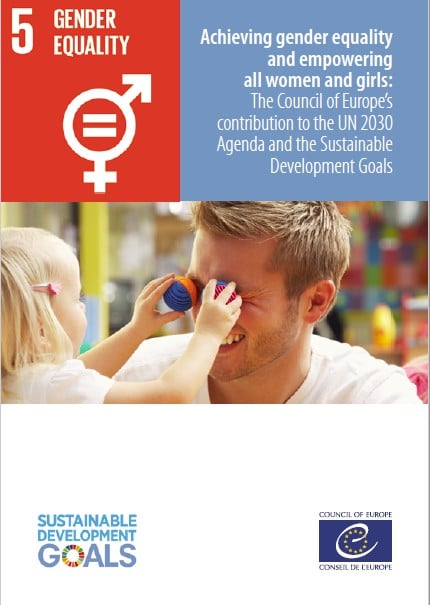
The Role of Gender Equality in Achieving the Sustainable Development Goals (SDGs)
Gender equality is not only a fundamental human right but a necessary foundation for a peaceful, prosperous, and sustainable world. The United Nations’ Sustainable Development Goals (SDGs) recognise the importance of gender equality and the empowerment of all women and girls as key drivers for achieving sustainable development.
SDG 5 specifically focuses on gender equality and aims to end all forms of discrimination and violence against women and girls worldwide. By addressing issues such as unequal access to education, healthcare, economic opportunities, and political participation, SDG 5 seeks to create a more inclusive and equitable society for all.
Gender equality is not just about women’s rights; it is about ensuring that everyone has equal opportunities regardless of their gender. When women and girls are empowered, entire communities benefit. Studies have shown that investing in women’s education and economic empowerment leads to improved health outcomes, increased economic growth, and greater social cohesion.
However, despite progress in some areas, gender inequality persists globally. Women continue to face barriers in accessing education, healthcare, employment, and leadership positions. Addressing these challenges requires a concerted effort from governments, civil society organisations, businesses, and individuals.
By promoting gender equality and empowering women and girls, we can accelerate progress towards achieving all the SDGs. When women are given equal opportunities to participate in decision-making processes and contribute their skills and knowledge, societies become more resilient and sustainable.
It is crucial that we work together to break down gender stereotypes, challenge discriminatory practices, and create a more inclusive world where everyone has the chance to fulfil their potential. Gender equality is not just a goal in itself but a catalyst for achieving a more just and sustainable future for all.
7 Essential Strategies to Advance Gender Equality and Empowerment
- Promote equal access to education for all genders.
- Support women’s participation in decision-making processes.
- End gender-based violence and harmful practices.
- Ensure equal pay for equal work regardless of gender.
- Encourage a more balanced representation of genders in leadership roles.
- Provide access to healthcare services that address the specific needs of all genders.
- Raise awareness about gender equality issues and promote positive societal attitudes towards all genders.
Promote equal access to education for all genders.
Promoting equal access to education for all genders is a crucial step towards achieving gender equality and empowering individuals to reach their full potential. By ensuring that both girls and boys have the same opportunities to learn and develop their skills, we can break down barriers, challenge stereotypes, and create a more inclusive society. Education not only equips individuals with knowledge and skills but also fosters critical thinking, creativity, and confidence. When all genders have equal access to quality education, we pave the way for a more equitable and sustainable future for everyone.
Support women’s participation in decision-making processes.
Supporting women’s participation in decision-making processes is crucial for achieving gender equality and advancing the Sustainable Development Goals (SDGs). When women have a seat at the table, their perspectives, experiences, and priorities are taken into account, leading to more inclusive and effective policies and strategies. By empowering women to participate in decision-making at all levels – from local communities to national governments – we can create a more equitable society where everyone has a voice and the opportunity to shape a better future for all.
End gender-based violence and harmful practices.
Ending gender-based violence and harmful practices is a crucial step towards achieving gender equality and empowering women and girls. By addressing the root causes of violence and discrimination, we can create a safer and more inclusive society where everyone can thrive. It is essential to challenge harmful norms and behaviours that perpetuate gender-based violence and ensure that all individuals are treated with dignity and respect. Only by working together to eradicate these practices can we build a world where everyone has the opportunity to live free from fear and oppression.
Ensure equal pay for equal work regardless of gender.
Ensuring equal pay for equal work regardless of gender is a crucial step towards achieving gender equality and promoting women’s economic empowerment. By eliminating wage disparities based on gender, we can create a fairer and more inclusive society where all individuals are valued equally for their contributions. Closing the gender pay gap not only benefits women and their families but also contributes to overall economic growth and social stability. It is essential for organisations and policymakers to uphold this principle to advance towards the Sustainable Development Goal of gender equality and create a more equitable world for everyone.
Encourage a more balanced representation of genders in leadership roles.
Encouraging a more balanced representation of genders in leadership roles is crucial for advancing gender equality and achieving the Sustainable Development Goals. By promoting diversity and inclusivity in leadership positions, organisations can benefit from a wider range of perspectives, innovative ideas, and decision-making processes that reflect the needs and experiences of all individuals. This approach not only fosters a more equitable workplace but also sets a positive example for society as a whole, inspiring greater progress towards gender equality and empowerment for all.
Provide access to healthcare services that address the specific needs of all genders.
Ensuring access to healthcare services that cater to the specific needs of all genders is crucial in promoting gender equality and advancing the Sustainable Development Goals. By offering tailored healthcare solutions that consider the diverse healthcare requirements of different genders, we can improve health outcomes, enhance overall well-being, and empower individuals to lead healthier lives. This proactive approach not only addresses existing disparities in healthcare access but also contributes to creating a more inclusive and equitable society where everyone can receive the care they need to thrive.
Raise awareness about gender equality issues and promote positive societal attitudes towards all genders.
Raising awareness about gender equality issues and promoting positive societal attitudes towards all genders is crucial in advancing the Sustainable Development Goal on gender equality. By educating communities about the importance of equal rights and opportunities for people of all genders, we can foster a more inclusive and respectful society. Encouraging positive attitudes towards diversity and gender equality helps break down harmful stereotypes and discrimination, paving the way for a more equitable future where everyone can thrive and contribute to sustainable development.