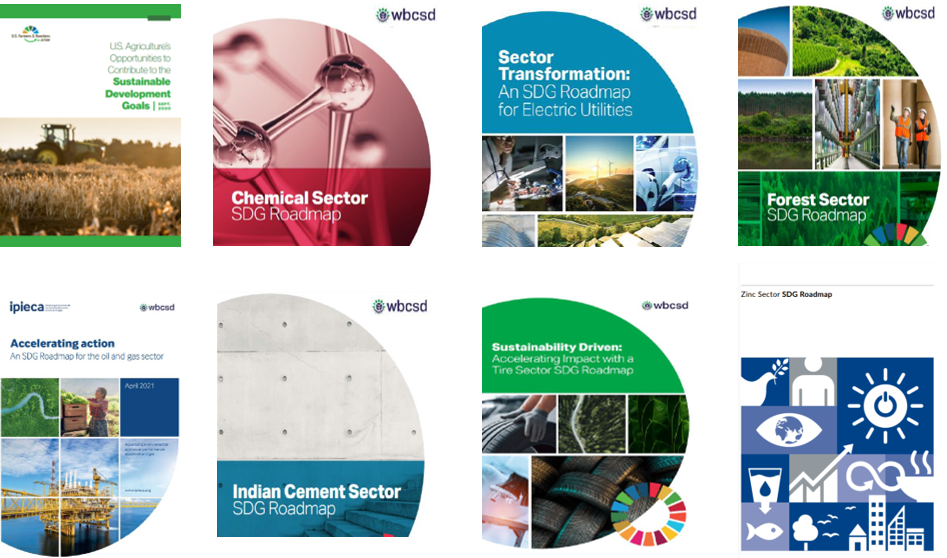
SDG Companies: Driving Sustainable Development
In recent years, the concept of Sustainable Development Goals (SDGs) has gained significant traction across various sectors. Businesses, in particular, have a crucial role to play in achieving these goals set by the United Nations to address global challenges such as poverty, inequality, climate change, and environmental degradation.
SDG companies are those organisations that have integrated the SDGs into their core business strategies and operations. These companies recognise the importance of balancing economic growth with social and environmental responsibility. By aligning their activities with the SDGs, they contribute to creating a more sustainable and equitable world.
Key Characteristics of SDG Companies
SDG companies exhibit several key characteristics that set them apart from traditional businesses:
- Commitment to Sustainability: SDG companies are committed to operating in a sustainable manner that minimises negative impacts on the environment and society.
- Integration of SDGs: These companies actively incorporate the SDGs into their business strategies, setting specific targets and indicators to measure progress towards achieving these goals.
- Stakeholder Engagement: SDG companies engage with a wide range of stakeholders, including employees, customers, suppliers, and local communities, to ensure that their activities align with societal needs and expectations.
The Impact of SDG Companies
SDG companies have the potential to drive significant positive change at both local and global levels. By prioritising sustainability and social responsibility in their operations, these companies can:
- Promote economic growth that is inclusive and environmentally sustainable.
- Foster innovation in products, services, and business models that address pressing societal challenges.
- Create opportunities for collaboration with other stakeholders to amplify impact and achieve shared goals.
- Inspire other businesses to adopt sustainable practices and contribute to the achievement of the SDGs.
In Conclusion
SDG companies play a vital role in advancing sustainable development by integrating the principles of the SDGs into their core business operations. As we move towards a more interconnected global economy, these companies serve as beacons of responsible business practices that benefit both people and planet. By supporting and promoting SDG companies, we can collectively work towards building a more prosperous and sustainable future for all.
Understanding Corporate Engagement with the Sustainable Development Goals (SDGs): Key Questions Answered
- What are the SDGs for a company?
- What companies support the SDGs?
- Is Coca-Cola an ESG company?
- How many companies use SDGs?
- What are the 17 SDGs listed?
What are the SDGs for a company?
The Sustainable Development Goals (SDGs) provide a comprehensive framework for companies to align their business strategies with global sustainability targets. The SDGs encompass 17 interconnected goals set by the United Nations to address pressing social, economic, and environmental challenges worldwide. For a company, the SDGs serve as a roadmap for integrating principles of sustainability into their operations, products, and services. By identifying specific SDGs that are most relevant to their industry and stakeholders, companies can set clear targets and indicators to measure progress towards achieving these goals. Ultimately, embracing the SDGs enables companies to contribute towards building a more sustainable and inclusive future for all stakeholders.
What companies support the SDGs?
The question “What companies support the SDGs?” is a common inquiry among individuals seeking to align their consumer choices with sustainable development goals. Many companies across various industries have demonstrated their commitment to supporting the Sustainable Development Goals (SDGs) set by the United Nations. These companies range from multinational corporations to small and medium-sized enterprises, each integrating the SDGs into their business strategies and operations. By actively supporting the SDGs, these companies contribute to addressing global challenges such as poverty, inequality, climate change, and environmental degradation, showcasing a growing trend towards responsible and sustainable business practices.
Is Coca-Cola an ESG company?
The question of whether Coca-Cola can be considered an ESG (Environmental, Social, and Governance) company is a topic of debate among sustainability experts and stakeholders. While Coca-Cola has taken steps to address certain environmental and social issues, such as water stewardship and community engagement initiatives, the company has also faced criticism for its environmental impact, particularly related to plastic waste and water usage. Ultimately, the assessment of whether Coca-Cola qualifies as an ESG company depends on how its actions align with ESG criteria and principles, as well as how transparently it reports on its progress towards sustainability goals.
How many companies use SDGs?
The adoption of Sustainable Development Goals (SDGs) by companies has been steadily increasing in recent years. While it is challenging to provide an exact number of companies that use SDGs due to varying levels of commitment and implementation, a growing trend towards integrating these goals into business strategies is evident. Many multinational corporations, small and medium enterprises, as well as startups, are recognising the importance of aligning their operations with the SDGs to contribute to a more sustainable future. The exact figure may vary, but the momentum towards SDG adoption among companies worldwide is undeniable.
What are the 17 SDGs listed?
The 17 Sustainable Development Goals (SDGs) listed by the United Nations are a comprehensive set of objectives aimed at addressing global challenges and promoting sustainable development worldwide. These goals cover a wide range of areas, including poverty eradication, quality education, gender equality, clean water and sanitation, affordable and clean energy, sustainable cities and communities, climate action, and life below water and on land. Each SDG targets specific issues crucial for building a more equitable, prosperous, and environmentally friendly future for all. By understanding and actively working towards these 17 SDGs, companies can contribute significantly to creating a better world for current and future generations.