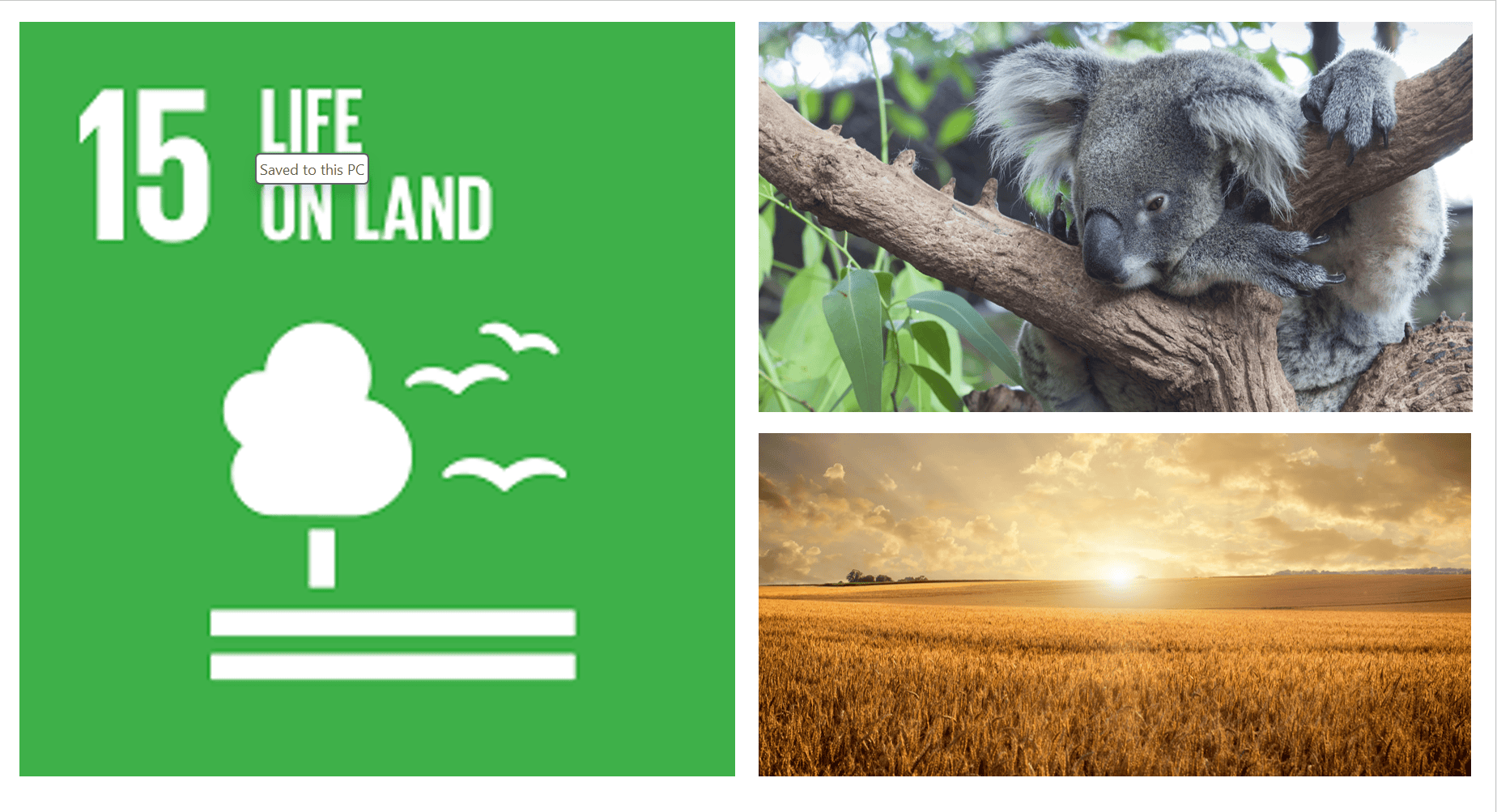
SDG 15 and Biodiversity: Protecting Life on Land
Biodiversity is the variety of life on Earth. It includes the diversity of species, the genetic differences within those species, and the ecosystems they form. From forests and wetlands to grasslands and mountains, these living systems support human wellbeing and the health of the planet.
The United Nations Sustainable Development Goals (SDGs) recognise biodiversity as essential to sustainable development. SDG 15, Life on Land, calls for the protection, restoration and sustainable use of terrestrial ecosystems. It also aims to halt biodiversity loss, tackle land degradation and prevent the extinction of threatened species. Biodiversity is also central to SDG 14, which focuses on life below water.
Why biodiversity matters
Healthy ecosystems provide services that people rely on every day. They help pollinate crops, maintain fertile soils, purify water, store carbon and reduce the impacts of floods and droughts. They also provide food, medicines, materials and livelihoods for millions of people.
Biodiversity has cultural and intrinsic value, too. Species and landscapes are part of the identity, knowledge and traditions of communities around the world. Protecting nature is therefore not only an environmental concern: it is closely connected to health, food security, economic resilience and social wellbeing.
The pressures on nature
Despite its importance, biodiversity is declining in many parts of the world. Major pressures include the conversion of natural habitats for agriculture and development, unsustainable harvesting of wildlife and plants, pollution, invasive species and climate change. These pressures can interact, making ecosystems less resilient and increasing the risk of species loss.
Habitat loss and fragmentation are particularly damaging. When a forest, wetland or grassland is cleared or divided by roads and other infrastructure, species may lose access to food, shelter and breeding sites. Climate change adds further stress as temperatures and rainfall patterns shift, changing the places where plants and animals can survive.
What SDG 15 aims to achieve
SDG 15 sets out a broad agenda for caring for land-based ecosystems. Its targets include conserving and restoring forests, wetlands, mountains and drylands; managing forests sustainably; combating desertification; and restoring degraded land and soil. It also calls for stronger action to protect threatened species and stop the illegal trade in wildlife.
The goal highlights the importance of integrating biodiversity into planning and decision-making. Conservation is not limited to protected areas: farms, towns, businesses and public services all influence the condition of nature. Progress depends on balancing development with the long-term health of ecosystems.
Turning commitments into action
Governments can support biodiversity by protecting important habitats, restoring damaged ecosystems and ensuring that land-use decisions account for nature. Effective laws, reliable monitoring and adequate funding are essential. So is working in partnership with Indigenous Peoples and local communities, whose knowledge and stewardship often play a vital role in conservation.
Businesses can assess how their activities affect and depend on nature, reduce pollution and resource use, and avoid sourcing materials linked to habitat destruction. Farmers and land managers can help by maintaining soil health, protecting waterways, planting diverse crops and preserving hedgerows and other wildlife habitats.
Individuals can contribute through choices such as reducing food waste, buying sustainably sourced products, planting native species and supporting local conservation work. Individual actions cannot replace policy change or corporate responsibility, but they can help build awareness and encourage wider action.
Measuring progress
Progress towards SDG 15 is measured using indicators covering areas such as forest extent, protected sites, land degradation and the conservation status of species. These measures help identify where action is working and where more effort is needed. Good data matters: without regular monitoring, it is difficult to understand trends or direct resources effectively.
However, no single measure can capture the full value of biodiversity. Assessments need to consider ecosystem condition, species populations and the knowledge and priorities of the people who depend on those ecosystems. Transparent reporting can help communities, governments and organisations hold one another accountable.
A shared responsibility
Protecting biodiversity is a long-term task that requires cooperation across borders and sectors. Healthy ecosystems do not follow political boundaries, and the effects of land-use decisions can reach far beyond the places where they are made. Achieving SDG 15 means treating nature as a foundation for human wellbeing and planning for its protection in every part of development.
By conserving habitats, restoring degraded land and using natural resources responsibly, societies can help secure a richer, healthier and more resilient future for people and wildlife alike.
Frequently Asked Questions on SDG Biodiversity: Understanding Goals, Values, and Importance
- What are SDG 13, 14 and 15?
- What are the 7 values of biodiversity?
- Why is SDG 15 important?
- What are the 17 SDG goals in order?
- What is the main goal of SDG 11?
- What is SDG 14 and 15 on biodiversity?
What are SDG 13, 14 and 15?
SDG 13, 14 and 15 are three of the United Nations’ Sustainable Development Goals focused on the natural environment. SDG 13, Climate Action, calls for urgent action to tackle climate change and its impacts. SDG 14, Life Below Water, aims to conserve and sustainably use oceans, seas and marine resources. SDG 15, Life on Land, focuses on protecting and restoring terrestrial ecosystems, managing forests sustainably, combating land degradation and halting biodiversity loss. Together, the three goals address closely connected challenges: a stable climate and healthy ecosystems are essential for people, wildlife and a sustainable future.
What are the 7 values of biodiversity?
The seven commonly recognised values of biodiversity are **consumptive use**, **productive use**, **social**, **ethical**, **aesthetic**, **option** and **ecosystem-service** values. These cover, respectively, resources people use directly, such as food and fuel; products traded commercially, such as timber and medicines; the cultural importance of nature; the belief that species deserve protection; the enjoyment and inspiration nature provides; the potential future benefits of species and genetic resources; and the essential functions ecosystems perform, including pollination, soil formation, water purification and climate regulation. Different frameworks may group or name these values slightly differently.
Why is SDG 15 important?
SDG 15 is important because healthy land-based ecosystems and biodiversity are essential to human wellbeing and a thriving planet. Forests, wetlands and other natural habitats provide food and clean water, support livelihoods, store carbon, protect soil and help communities withstand floods and droughts. By aiming to halt biodiversity loss, restore degraded land and use forests and other ecosystems sustainably, SDG 15 helps safeguard these benefits for present and future generations.
What are the 17 SDG goals in order?
The 17 Sustainable Development Goals (SDGs), in order, are: No Poverty; Zero Hunger; Good Health and Well-being; Quality Education; Gender Equality; Clean Water and Sanitation; Affordable and Clean Energy; Decent Work and Economic Growth; Industry, Innovation and Infrastructure; Reduced Inequalities; Sustainable Cities and Communities; Responsible Consumption and Production; Climate Action; Life Below Water; Life on Land; Peace, Justice and Strong Institutions; and Partnerships for the Goals. Biodiversity is especially central to SDG 14, which focuses on oceans and marine life, and SDG 15, which aims to protect and restore terrestrial ecosystems and halt biodiversity loss.
What is the main goal of SDG 11?
The main goal of SDG 11 is to make cities and human settlements inclusive, safe, resilient and sustainable. It promotes access to affordable housing and transport, better urban planning, protection of cultural and natural heritage, and reduced environmental impacts. In relation to biodiversity, SDG 11 also encourages cities to provide accessible green spaces and protect urban ecosystems.
What is SDG 14 and 15 on biodiversity?
SDG 14, “Life Below Water”, focuses on conserving and sustainably using oceans, seas and marine resources, while SDG 15, “Life on Land”, aims to protect, restore and sustainably manage terrestrial ecosystems, forests and soils. Together, they address biodiversity across marine and land environments by tackling threats such as habitat loss, pollution, overfishing, climate change and species extinction, helping to safeguard nature and the benefits it provides for people.