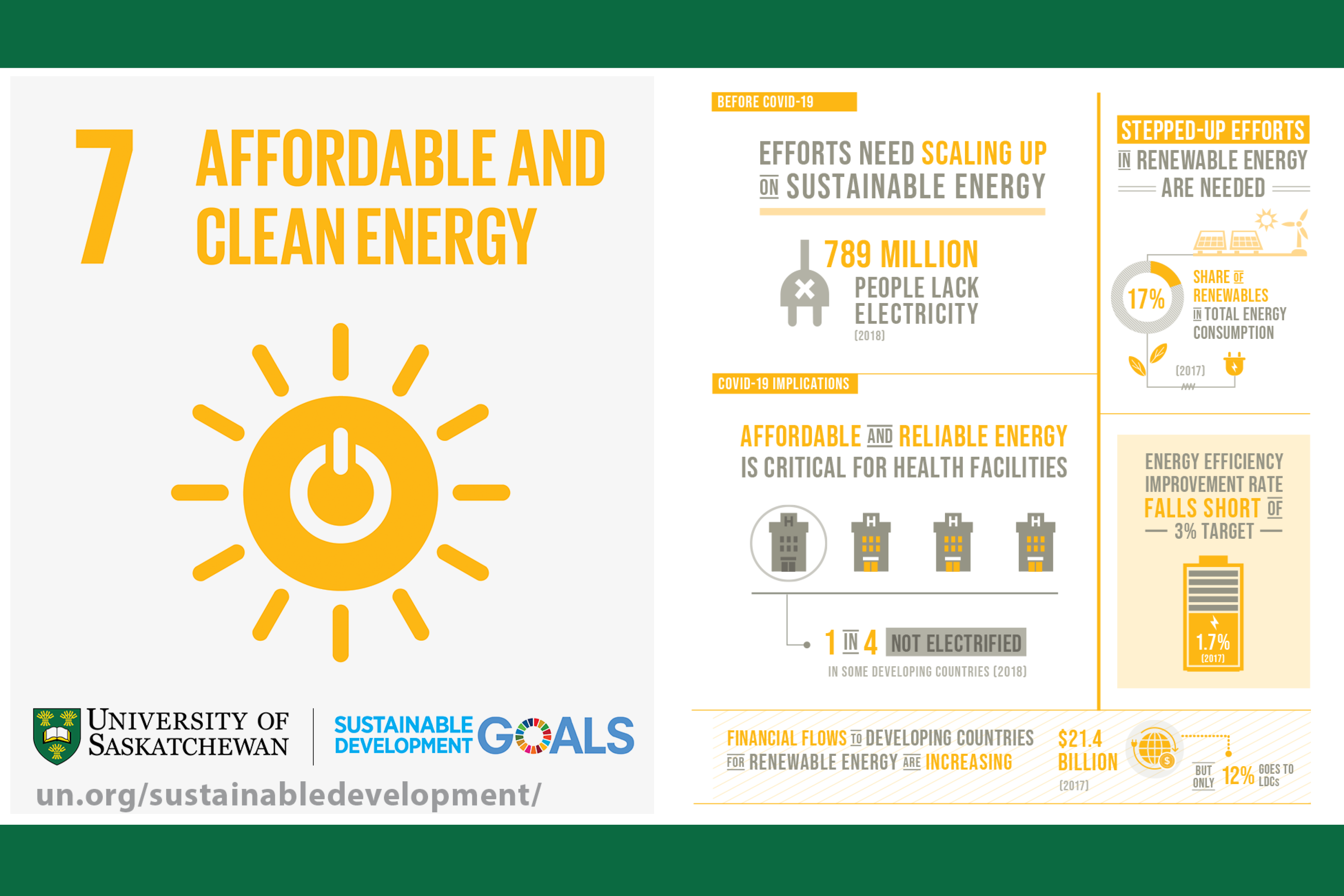
The Importance of SDG 7 Targets
Sustainable Development Goal (SDG) 7 focuses on ensuring access to affordable, reliable, sustainable, and modern energy for all. This goal is crucial in addressing energy poverty, promoting economic growth, and combating climate change. To achieve SDG 7, there are specific targets that have been outlined:
SDG 7 Targets:
- By 2030, ensure universal access to affordable, reliable, and modern energy services.
- By 2030, increase substantially the share of renewable energy in the global energy mix.
- By 2030, double the global rate of improvement in energy efficiency.
- By 2030, enhance international cooperation to facilitate access to clean energy research and technology.
- Expand infrastructure and upgrade technology for supplying modern and sustainable energy services in developing countries.
Each of these targets plays a vital role in advancing sustainable energy practices worldwide. Universal access to affordable and clean energy is not only essential for improving living standards but also for achieving other SDGs related to health, education, and economic development.
Increasing the share of renewable energy sources helps reduce greenhouse gas emissions and mitigates the impacts of climate change. Improving energy efficiency is key to reducing waste and enhancing resource management. International cooperation in clean energy research fosters innovation and knowledge-sharing among nations.
In conclusion, SDG 7 targets are integral to building a more sustainable future for all. By working towards these targets collectively, we can create a world where everyone has access to clean, reliable energy sources that drive progress while preserving our planet’s resources for future generations.
Understanding SDG 7: Key Questions on Targets and Global Impact
- What is SDG 7 and why is it important?
- What are the specific targets of SDG 7?
- How does achieving universal access to affordable, reliable energy benefit society?
- Why is increasing the share of renewable energy sources crucial for sustainable development?
- What are the challenges in doubling the global rate of improvement in energy efficiency by 2030?
- How can international cooperation facilitate access to clean energy research and technology as outlined in SDG 7 targets?
- What role do developing countries play in expanding infrastructure for modern and sustainable energy services?
- How can individuals contribute to achieving SDG 7 targets in their daily lives?
What is SDG 7 and why is it important?
Sustainable Development Goal 7 (SDG 7) is a global initiative that aims to ensure access to affordable, reliable, sustainable, and modern energy for all. It is crucial because energy plays a fundamental role in driving economic growth, improving living standards, and mitigating climate change. By addressing energy poverty and promoting the use of renewable energy sources, SDG 7 not only enhances access to essential services but also contributes to environmental sustainability. Achieving SDG 7 targets is essential for advancing towards a more equitable and sustainable future where clean energy is accessible to all, leading to positive impacts on health, education, and overall well-being.
What are the specific targets of SDG 7?
One frequently asked question regarding SDG 7 is, “What are the specific targets of SDG 7?” Sustainable Development Goal 7 outlines several key targets aimed at ensuring universal access to affordable, reliable, and modern energy services by 2030. These targets include increasing the share of renewable energy in the global energy mix, doubling the global rate of improvement in energy efficiency, enhancing international cooperation for clean energy research and technology access, as well as expanding infrastructure and technology for sustainable energy services in developing countries. Each target plays a crucial role in advancing sustainable energy practices worldwide and is essential for achieving a more equitable and environmentally friendly future.
How does achieving universal access to affordable, reliable energy benefit society?
Achieving universal access to affordable, reliable energy brings numerous benefits to society. Access to energy is fundamental for improving living standards, enhancing healthcare services, and driving economic growth. Affordable and reliable energy sources enable communities to power homes, schools, hospitals, and businesses efficiently, leading to increased productivity and overall well-being. Additionally, clean energy options help reduce air pollution and combat climate change, safeguarding public health and the environment for future generations. By ensuring universal access to sustainable energy, societies can foster social equity, economic development, and environmental sustainability in a more inclusive and resilient manner.
Why is increasing the share of renewable energy sources crucial for sustainable development?
Increasing the share of renewable energy sources is crucial for sustainable development due to several key reasons. Firstly, renewable energy sources such as solar, wind, and hydropower are abundant and environmentally friendly, reducing reliance on finite fossil fuels and decreasing greenhouse gas emissions that contribute to climate change. By transitioning to renewables, we can mitigate the negative impacts of traditional energy production on the environment and public health. Additionally, investing in renewable energy promotes energy security, creates jobs in the green economy, and fosters innovation in clean technologies, driving economic growth while ensuring a more sustainable future for generations to come.
What are the challenges in doubling the global rate of improvement in energy efficiency by 2030?
One of the frequently asked questions regarding SDG 7 targets is about the challenges in doubling the global rate of improvement in energy efficiency by 2030. This ambitious goal faces several obstacles that must be addressed to achieve significant progress. Some challenges include the need for substantial investments in energy-efficient technologies and infrastructure, overcoming regulatory barriers that hinder energy efficiency measures, changing consumer behaviour towards more sustainable practices, and ensuring access to adequate resources and expertise, especially in developing countries. Additionally, collaboration among governments, industries, and communities is essential to drive collective action towards enhancing energy efficiency on a global scale. Overcoming these challenges requires a coordinated effort and sustained commitment from all stakeholders to accelerate progress towards a more sustainable energy future.
How can international cooperation facilitate access to clean energy research and technology as outlined in SDG 7 targets?
International cooperation plays a crucial role in facilitating access to clean energy research and technology as outlined in SDG 7 targets. By fostering partnerships and collaboration among countries, knowledge and resources can be shared to accelerate advancements in clean energy solutions. Through joint research projects, technology transfers, and capacity-building initiatives, nations can leverage each other’s strengths to overcome barriers and drive innovation in the renewable energy sector. This exchange of expertise not only enhances access to clean energy technologies but also promotes sustainable development on a global scale, ultimately contributing to the achievement of SDG 7 objectives.
What role do developing countries play in expanding infrastructure for modern and sustainable energy services?
Developing countries play a crucial role in expanding infrastructure for modern and sustainable energy services as part of achieving SDG 7 targets. These nations face unique challenges in meeting the energy needs of their growing populations while also addressing environmental concerns. By investing in renewable energy sources, improving energy efficiency, and upgrading technology, developing countries can not only enhance access to clean and reliable energy but also contribute to global efforts in combating climate change. Additionally, by prioritising sustainable energy solutions, these countries can pave the way for long-term economic growth and resilience, ultimately benefitting both their citizens and the planet as a whole.
How can individuals contribute to achieving SDG 7 targets in their daily lives?
In response to the frequently asked question on how individuals can contribute to achieving SDG 7 targets in their daily lives, there are several impactful actions that can be taken. Firstly, individuals can reduce their energy consumption by being mindful of turning off lights and appliances when not in use, opting for energy-efficient products, and using public transport or cycling instead of driving where possible. Embracing renewable energy sources such as solar panels or wind turbines for home energy needs is another way individuals can make a positive impact. Additionally, raising awareness about the importance of sustainable energy practices within their communities and advocating for policies that support clean energy initiatives are crucial steps towards collectively working towards SDG 7 targets. By making conscious choices in their daily routines and encouraging others to do the same, individuals can play a significant role in advancing global efforts towards a more sustainable energy future.