Outreach and Engagement: Building Stronger Connections with Our Communities
Successful urban projects begin with listening. Whether a city is planning safer streets, improving public spaces or exploring more sustainable ways to travel, the people who live, work and spend time there should have a meaningful role in shaping what happens. Outreach and engagement help turn that principle into practice.
What do outreach and engagement mean?
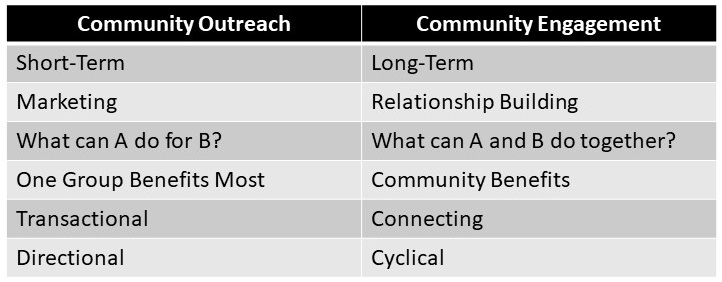
Outreach is the work of reaching people, sharing information and inviting them to take part. Engagement goes further: it creates opportunities for people to contribute their experiences, views and ideas, and for those contributions to inform decisions.
Neither is a one-off exercise. A leaflet, public meeting or online survey may be useful, but lasting engagement depends on open communication throughout a project—from early conversations and planning to implementation and review.
Why listening matters
Every neighbourhood has its own character, priorities and challenges. Residents, local businesses, community groups and visitors may experience the same place in very different ways. Listening to this range of perspectives can help identify needs that might otherwise be overlooked, reveal practical barriers and highlight ideas rooted in local knowledge.
Engagement can also build trust. When people understand what is being considered, how decisions will be made and what has changed as a result of their input, they are more likely to feel that the process is fair and worthwhile.
Making participation accessible
People should not need specialist knowledge, extensive free time or confidence speaking in public to have their say. Good outreach offers different ways to take part and considers the barriers that may prevent someone from doing so.
- Use clear language: explain proposals and technical terms in a straightforward way.
- Offer different formats: combine in-person conversations with online options, written feedback and informal activities.
- Choose suitable times and places: make opportunities convenient for people with work, caring or access needs.
- Reach beyond familiar networks: work with local organisations and trusted community voices to connect with a wider range of people.
- Consider accessibility: provide accessible venues and materials, and plan for language and communication needs.
Closing the feedback loop
Asking for feedback creates a responsibility to respond. After engagement, people should be told what was heard, what decisions were made and why. It is also important to explain where suggestions could not be taken forward and what constraints influenced the outcome.
This feedback loop shows that participation has been taken seriously. It helps people see the connection between their contributions and the work being done, while setting honest expectations about what engagement can—and cannot—achieve.
Engagement that continues
Strong relationships are built over time. Regular updates, visible progress and opportunities to review results can keep communities involved beyond the initial consultation. Projects can then adapt as circumstances change and new insights emerge.
Outreach and engagement are not simply steps in a project plan. They are ways of working: based on curiosity, respect and a willingness to learn. By creating inclusive opportunities to listen and respond, organisations and communities can work together towards places that better reflect the needs and aspirations of the people who use them.
Seven Essential Tips for Effective Outreach and Engagement
- Personalise each message to the person you’re contacting.
- Keep your opening clear and relevant.
- Explain the value of getting involved.
- Choose channels your audience already uses.
- Ask simple, specific questions.
- Reply promptly and warmly.
- Thank people and share what happened next.
Personalise each message to the person you’re contacting.
Personalise each message to the person you’re contacting. Use their name, refer to their role or interests where relevant, and explain why you’re getting in touch with them specifically. A thoughtful, tailored message feels more genuine than a generic one, makes the purpose of your contact clear and helps build trust from the outset. Keep it respectful and concise, and avoid making assumptions about the person or their views.
Keep your opening clear and relevant.
Keep your opening clear and relevant so people quickly understand why you are contacting them and what the topic means for them. Use straightforward language, explain the purpose of your message or activity, and lead with the information your audience is most likely to care about. A focused opening helps build interest and makes it easier for people to decide how they would like to take part.
Explain the value of getting involved.
Getting involved gives people the chance to shape decisions that affect their neighbourhood and everyday lives. By sharing local knowledge, experiences and ideas, participants can help ensure projects respond to real needs, uncover issues that might otherwise be missed and create better outcomes for everyone. Taking part also helps build connections, strengthen trust and give communities a clearer understanding of how change happens.
Choose channels your audience already uses.
Choose channels your audience already uses to make it easier for people to find and take part in your outreach. This might mean sharing updates through local newsletters, community groups, social media pages, noticeboards or trusted organisations, rather than relying on a single platform. Ask community members which channels work best for them, and consider offering information in more than one format so that people can engage in a way that suits their needs.
Ask simple, specific questions.
Ask simple, specific questions to make it easier for people to share useful feedback. Rather than asking what they think about a whole project, focus on a clear detail—for example, “Which crossing feels least safe?” or “Where would you like to see more seating?” Plain, focused questions help people respond quickly and make it easier to understand the answers and use them to guide decisions.
Reply promptly and warmly.
Reply promptly and warmly to show people that their time and contribution are valued. A timely, friendly response helps build trust, encourages further conversation and makes it clear that questions and feedback are welcome—even when a full answer will take a little longer. If more time is needed, acknowledge the message and let the person know when they can expect an update.
Thank people and share what happened next.
Thank everyone who took part, and let them know what happened next. Share a clear summary of the feedback, explain which ideas influenced the decisions and why some suggestions could not be taken forward. Closing the loop shows that people’s contributions were valued, builds trust and encourages them to take part in future conversations.