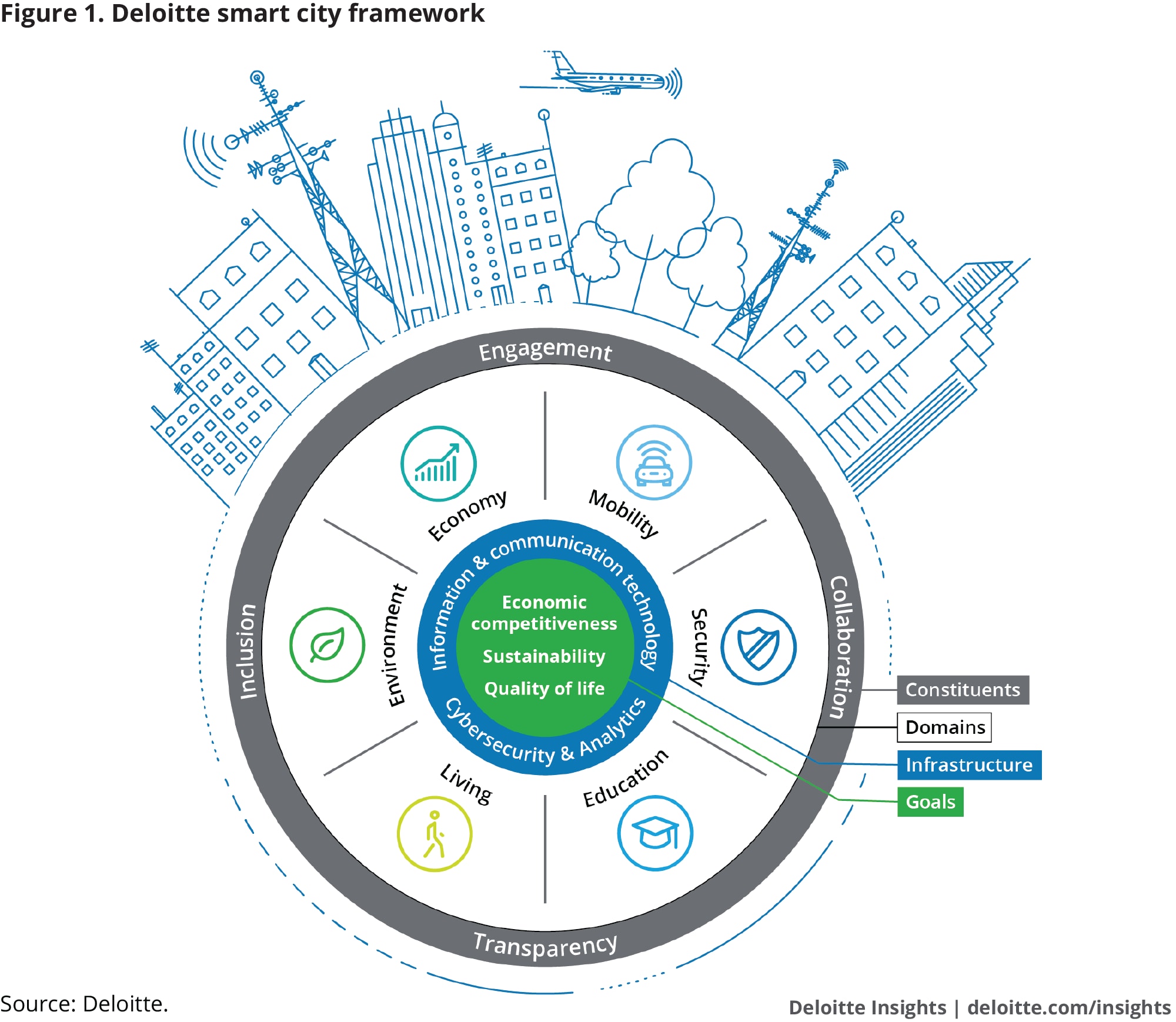
The Infrastructure of a Smart City
In the digital age, cities are evolving to become smarter and more efficient through the integration of technology into their infrastructure. A smart city is a concept that utilises data and communication technologies to enhance the quality of urban life, improve sustainability, and drive economic growth.
Key Components of Smart City Infrastructure:
Information and Communication Technology (ICT): ICT forms the backbone of a smart city, enabling the collection, processing, and sharing of data across various sectors such as transportation, energy, healthcare, and public safety.
Sensors and IoT Devices: Smart cities rely on a network of sensors and Internet of Things (IoT) devices to gather real-time data on traffic flow, air quality, energy consumption, waste management, and more. These devices provide valuable insights for decision-making and resource allocation.
Data Analytics: The data collected from sensors is analysed using advanced analytics tools to generate actionable insights. This allows city officials to make informed decisions that improve efficiency, reduce costs, and enhance services for residents.
Connectivity: A robust network infrastructure is essential for connecting devices and systems within a smart city ecosystem. High-speed internet access enables seamless communication between stakeholders and facilitates the deployment of smart solutions.
Smart Grids: Smart grids integrate renewable energy sources, energy storage systems, and demand-response technologies to optimise energy distribution and consumption. This helps reduce carbon emissions, lower utility bills, and increase resilience against power outages.
Benefits of Smart City Infrastructure:
– Improved Efficiency: Smart technologies streamline operations in areas such as transportation management, waste collection, and public services delivery.
– Sustainability: By monitoring resource usage and emissions levels in real-time, smart cities can implement eco-friendly practices that reduce environmental impact.
– Enhanced Quality of Life: Citizens benefit from safer streets, faster emergency response times, better public transportation options, and increased accessibility to services through digital platforms.
– Economic Growth: Smart city initiatives attract investment opportunities in technology development, job creation, innovation hubs, and sustainable infrastructure projects.
The Future of Urban Development:
The infrastructure of a smart city represents a shift towards a more interconnected and data-driven urban environment. As technology continues to advance rapidly,
cities will need to adapt by investing in scalable solutions that promote sustainability,
resilience,
and inclusivity.
By embracing innovation,
collaboration,
and citizen engagement,
smart cities can pave the way for a brighter future where urban living is both efficient
and sustainable.
Understanding Smart City Infrastructure: Key Features, Principles, and Structures
- What are the five essential features of a smart city?
- What are the four principles of smart infrastructure?
- What is the architecture of a smart city?
- What is a smart infrastructure?
- What is the structure of a smart city?
- What is the infrastructure of a smart city?
- What are the six pillars of smart cities?
What are the five essential features of a smart city?
When discussing the essential features of a smart city, five key components stand out as crucial for its success. Firstly, Information and Communication Technology (ICT) serves as the foundation, enabling seamless data collection and sharing across various sectors. Secondly, the deployment of sensors and Internet of Things (IoT) devices is essential for real-time monitoring and analysis of urban systems. Thirdly, data analytics plays a vital role in extracting valuable insights from the vast amount of data generated by smart city infrastructure. Additionally, connectivity through a robust network infrastructure ensures efficient communication and coordination between different components. Lastly, smart grids incorporating renewable energy sources and demand-response technologies are pivotal for sustainable energy management within a smart city ecosystem. These five features collectively contribute to enhancing efficiency, sustainability, and quality of life in a modern urban environment.
What are the four principles of smart infrastructure?
The four principles of smart infrastructure are interconnectedness, sustainability, efficiency, and resilience. Interconnectedness refers to the integration of various systems and technologies to create a cohesive network that can share data and communicate seamlessly. Sustainability focuses on implementing eco-friendly practices and renewable energy sources to reduce environmental impact and promote long-term viability. Efficiency involves streamlining processes and resource allocation to optimise operations and improve service delivery. Resilience entails building infrastructure that can withstand disruptions, adapt to changing conditions, and recover quickly from challenges such as natural disasters or system failures. By adhering to these principles, smart cities can create a foundation for innovation, growth, and improved quality of life for their residents.
What is the architecture of a smart city?
The architecture of a smart city refers to the interconnected framework of technology, infrastructure, and services that enable efficient and sustainable urban development. It encompasses the design and integration of information and communication technologies (ICT), sensors, data analytics, connectivity solutions, and smart grids to create a cohesive ecosystem. The architecture of a smart city is designed to facilitate data collection, analysis, and communication across various sectors such as transportation, energy management, public safety, healthcare, and waste management. By establishing a robust architectural foundation that supports seamless connectivity and data-driven decision-making, smart cities can enhance quality of life for residents, improve resource efficiency, and drive economic growth in a sustainable manner.
What is a smart infrastructure?
A smart infrastructure refers to the integration of advanced technologies and digital solutions into the fundamental systems that support urban life. It encompasses the use of information and communication technology (ICT), sensors, data analytics, and connectivity to enhance the efficiency, sustainability, and resilience of cities. By leveraging real-time data and intelligent systems, smart infrastructure enables cities to better manage resources, improve services, and create a more liveable environment for residents. This interconnected network of smart technologies plays a crucial role in shaping the future of urban development by driving innovation, reducing environmental impact, and enhancing overall quality of life in modern cities.
What is the structure of a smart city?
The structure of a smart city encompasses a sophisticated network of interconnected components designed to enhance urban living through the integration of technology and data-driven solutions. At its core, a smart city relies on a robust infrastructure that includes information and communication technology (ICT), sensors, IoT devices, data analytics tools, connectivity systems, and smart grids. These elements work together to collect real-time data, analyse patterns, and enable informed decision-making across various sectors such as transportation, energy management, public safety, and environmental sustainability. By leveraging these innovative technologies, smart cities aim to improve efficiency, foster sustainability, enhance quality of life for residents, and drive economic growth in a rapidly evolving urban landscape.
What is the infrastructure of a smart city?
The infrastructure of a smart city encompasses a sophisticated network of information and communication technologies, sensors, data analytics tools, connectivity solutions, and smart grids. These components work together to collect real-time data, analyse insights, and facilitate seamless communication within urban environments. By leveraging advanced technology and innovative solutions, smart cities can enhance efficiency, sustainability, and quality of life for residents. This interconnected infrastructure enables cities to optimise resource usage, improve public services delivery, reduce environmental impact, and drive economic growth through data-driven decision-making.
What are the six pillars of smart cities?
In the realm of smart cities, the concept is often structured around six key pillars that serve as the foundation for sustainable urban development. These pillars encompass various aspects of a city’s infrastructure and services, including smart governance, smart economy, smart mobility, smart environment, smart living, and smart people. Each pillar plays a crucial role in shaping a city’s transformation into a smarter and more efficient urban environment. By focusing on these six pillars, cities can leverage technology and data-driven solutions to enhance quality of life for residents, promote economic growth, improve resource management, and foster innovation across all sectors of urban life.