Environmental Indicators of Development
Development is often measured through economic growth, income and employment. These measures are important, but they do not show the full picture. A country or city may become wealthier while its air quality deteriorates, natural habitats disappear or greenhouse gas emissions rise. Environmental indicators help reveal these costs and show whether development is improving people’s lives without undermining the natural systems on which they depend.
What are environmental indicators?
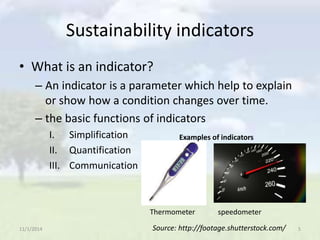
Environmental indicators are measures used to track the condition of the environment and the effects of human activity. They can describe current conditions, such as the concentration of air pollutants, or measure changes over time, such as the rate of forest loss. They can also show how efficiently resources are being used and whether environmental pressures are rising or falling as an economy develops.
Used alongside social and economic measures, these indicators help governments, businesses and communities assess progress towards sustainable development. They can inform planning, identify emerging risks and help evaluate whether policies are working.
Key environmental indicators
Greenhouse gas emissions
Greenhouse gas emissions, including carbon dioxide and methane, are a central indicator of climate impact. Emissions can be reported in total, per person or in relation to economic output. Each measure answers a different question: total emissions show a country’s overall contribution, emissions per person help compare average individual footprints, and emissions per unit of economic output indicate how carbon-intensive production is.
It is also useful to distinguish between emissions produced within a country and those associated with the goods and services it consumes. A country’s territorial emissions may fall if carbon-intensive manufacturing moves overseas, even if the goods are still imported and consumed there.
Air quality
Air-quality indicators commonly track pollutants such as fine particulate matter, nitrogen dioxide and ground-level ozone. These pollutants can harm human health and are often associated with transport, energy production, industry and domestic heating. Monitoring exposure, particularly in populated areas, helps reveal whether development is creating healthier places to live or increasing pollution-related risks.
Water quality and availability
Indicators of water development include access to safe drinking water, the quality of rivers and lakes, groundwater levels and the proportion of wastewater that is treated. Water use can also be measured by sector, such as agriculture, industry and households. These measures are especially important in regions facing drought, water stress or contamination.
Access to water and sanitation is both an environmental and a social concern. National averages can hide major differences between urban and rural communities, or between higher- and lower-income households.
Land use, forests and biodiversity
Land-use indicators show how land is changing over time. They may track deforestation, urban expansion, soil condition, habitat fragmentation or the area of land under protection. Biodiversity indicators can include the status of threatened species, changes in population numbers and the extent and condition of natural habitats.
These measures matter because ecosystems provide services that support development, including pollination, flood protection, fertile soil, clean water and carbon storage. A growing economy can depend on these benefits even when their contribution is not reflected in market prices.
Resource use and waste
Material consumption indicators measure the resources used to support production and lifestyles. These may include the extraction and consumption of minerals, fossil fuels, biomass and construction materials. Resource productivity—economic value generated per unit of material used—can show whether an economy is becoming more efficient.
Waste indicators include the amount of waste generated, the share recycled or composted, and the quantity sent to landfill or incineration. They can also track hazardous waste and food waste. A high recycling rate is useful information, but it does not necessarily mean that overall material consumption is sustainable; reducing unnecessary resource use is also important.
Energy use and the transition to cleaner sources
Energy indicators may cover total energy consumption, energy use per person, energy intensity and the share of energy supplied by renewable sources. They can help assess how efficiently energy is used and how quickly a shift away from fossil fuels is taking place. Access to reliable and affordable energy should also be considered, particularly where households or communities lack adequate supply.
Choosing and interpreting indicators
No single indicator can describe environmental development in full. A fall in emissions per unit of economic output, for example, may occur at the same time as total emissions continue to rise. Similarly, a larger area of protected land does not necessarily guarantee that habitats are well managed or that species are recovering.
Indicators are most useful when they are:
- Relevant: linked to the environmental issue and development goal being assessed.
- Consistent: collected using methods that allow meaningful comparison over time and between places.
- Transparent: accompanied by clear definitions, data sources and information about uncertainty.
- Disaggregated: broken down where possible by region, income group or population, so that inequalities are not concealed by averages.
- Considered together: interpreted as a set, rather than as isolated measures.
Data gaps can be a significant challenge. Some environmental changes are difficult or costly to monitor, and different countries may use different methods. Indicators are also snapshots: they may not capture long-term ecological change, indirect impacts or the full effects of consumption beyond national borders.
Connecting environmental measures with development
Environmental indicators are most powerful when they are considered alongside measures of health, education, income, housing and access to essential services. This broader view helps decision-makers assess whether environmental improvements are being achieved fairly and whether economic gains are reaching communities without increasing pollution or degrading natural resources.
For example, investment in public transport can support access to jobs while reducing traffic emissions. Energy-efficiency programmes can lower pollution and household bills. Restoring wetlands can improve biodiversity while helping protect communities from flooding. Indicators can help track these combined outcomes, although they cannot replace local knowledge or public participation.
Conclusion
Environmental indicators make the relationship between development and the natural world more visible. They help show whether progress is reducing pollution, using resources responsibly, protecting ecosystems and building resilience to environmental change. When selected carefully and interpreted alongside social and economic evidence, they provide a stronger basis for decisions that support both human well-being and a healthy environment.
Understanding Environmental Indicators: Key Metrics for Assessing Development Impact
- What are the indicators of environmental impact?
- What are 5 development indicators?
- What are some examples of environmental indicators?
- What are the 5 main environmental indicators?
- What are the main environmental indicators?
What are the indicators of environmental impact?
Indicators of environmental impact are measures used to show how human activities affect the natural world. They include greenhouse gas emissions, air and water quality, energy and material use, waste generation, land-use change, deforestation and biodiversity loss. Some indicators track the pressure placed on the environment, while others measure changes in its condition or the effects on people and ecosystems. Considered together, they help assess whether development is reducing environmental harm and using natural resources sustainably.
What are 5 development indicators?
Five common development indicators are gross domestic product (GDP) per person, which gives an indication of average economic output; life expectancy, which reflects health and living conditions; literacy or educational attainment, which measures access to learning; the employment rate, which shows participation in paid work; and access to safe water and sanitation, which indicates the availability of essential services. These measures offer useful insights, but none tells the whole story on its own. For a fuller picture of sustainable development, they should be considered alongside environmental indicators such as greenhouse gas emissions, air and water quality, resource use and biodiversity.
What are some examples of environmental indicators?
Examples of environmental indicators include greenhouse gas emissions, air and water quality, forest cover, biodiversity, energy use, the share of energy from renewable sources, water consumption, waste generation and recycling rates. These measures help show how development affects the environment and whether resources are being used sustainably. For a fuller picture, they can be considered alongside social and economic data, and compared over time or between regions.
What are the 5 main environmental indicators?
The five main environmental indicators commonly used to assess development are greenhouse gas emissions, air quality, water quality and availability, land use and biodiversity, and resource consumption and waste. Together, they show how development affects the climate, human health, water supplies, ecosystems and natural resources. The precise indicators used can vary depending on the place and purpose of the assessment, so they are best considered as a group rather than in isolation.
What are the main environmental indicators?
The main environmental indicators include greenhouse gas emissions, air and water quality, energy and resource use, waste generation and recycling, land-use change, deforestation and biodiversity. Together, they show how development affects the climate, natural resources, ecosystems and people’s health. Measures such as emissions per person, renewable energy use and access to safe water can add useful context, but indicators are best considered as a group: no single measure captures the full environmental impact of development.