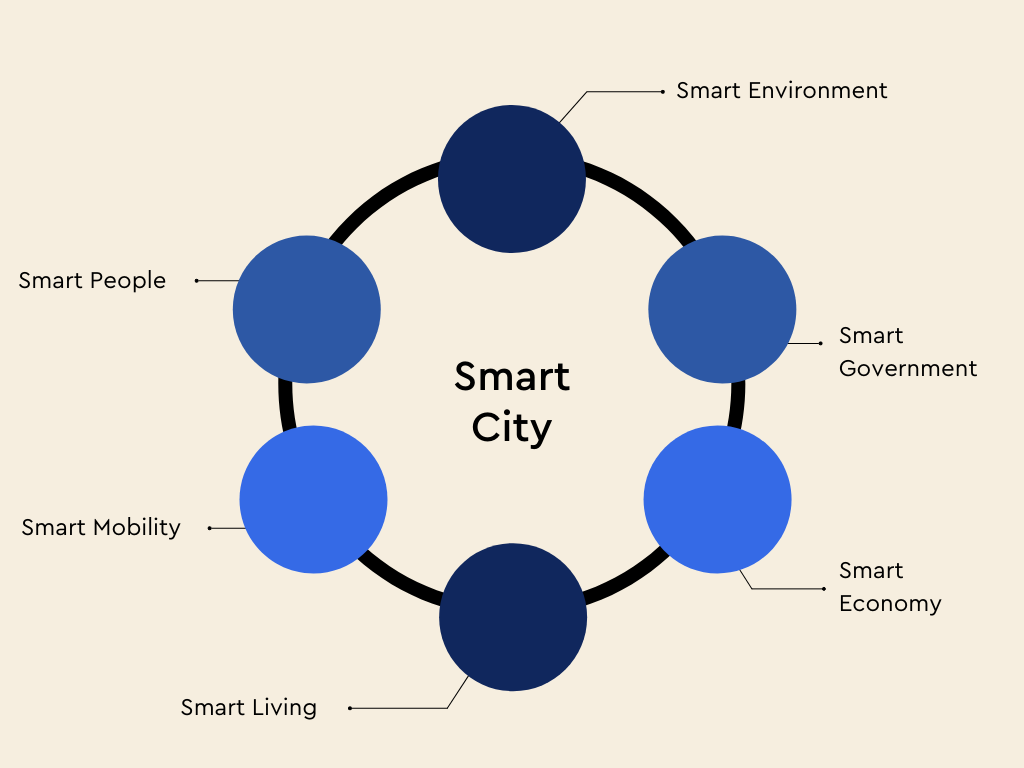
Smart Mobility in the Smart City
As cities grow, the ways people and goods move through them become increasingly important. Congestion, air pollution, road safety and unequal access to transport all affect urban life. Smart mobility uses data, digital technology and better planning to make journeys more efficient, accessible and sustainable.
What is smart mobility?
Smart mobility is an approach to transport that connects different travel options and helps people choose the most suitable way to get around. It can bring together public transport, walking, cycling, shared vehicles and on-demand services, supported by tools such as mobile apps, real-time information and digital payment systems.
In a smart city, mobility is not simply about moving traffic faster. It is about making it easier for people to reach work, education, healthcare, shops and public spaces, while reducing the environmental and social costs of travel.
How technology can improve urban journeys
Digital systems can help transport providers and travellers make better-informed decisions. Real-time updates can show when buses or trains are due, highlight service disruptions and help passengers plan connections. Sensors and traffic-management systems can monitor conditions on roads and adjust signals to reduce delays or give priority to buses and emergency vehicles.
Integrated journey-planning services can make it easier to combine modes of transport. For example, a traveller might walk to a station, take a train and complete the final part of the journey by shared bicycle. When ticketing and travel information are connected, these journeys can be simpler to plan and pay for.
Putting people and sustainability first
Technology alone does not make a city’s transport system smart. Successful smart mobility starts with people’s needs and gives priority to safe, convenient and low-carbon travel. Well-designed pavements, protected cycle routes and reliable public transport can reduce dependence on private cars and make streets more welcoming.
Electric buses, cars and delivery vehicles can help reduce tailpipe emissions, particularly when supported by suitable charging infrastructure and cleaner energy. Shared mobility services may also help make better use of vehicles, although their benefits depend on how they are managed and whether they complement public transport rather than compete with it.
Accessibility must be considered from the outset. Transport information should be easy to understand, services should cater for people with different mobility needs, and affordable options should be available across neighbourhoods. A system that works only for confident smartphone users or residents in well-served areas cannot meet the needs of the whole city.
Using data responsibly
Data can help cities understand travel patterns, identify gaps in transport provision and plan services more effectively. However, collecting mobility data raises important questions about privacy, security and public trust. Cities and transport providers should be clear about what data they collect, why they need it and how it is protected.
Planning should also avoid relying on digital tools alone. Not everyone has a smartphone, reliable internet access or the same confidence using online services. Keeping non-digital ways to access information and services is an important part of inclusive transport.
Challenges and opportunities
Building smart mobility systems can require significant investment and coordination between local authorities, transport operators, technology providers and communities. Different services do not always share compatible systems, and new technology can become outdated quickly. Cities also need to measure whether new initiatives are genuinely improving journey times, safety, access and air quality.
These challenges are an opportunity to take a joined-up approach. Clear goals, public engagement and careful evaluation can help ensure that technology supports long-term transport plans rather than becoming an end in itself. Small, well-tested improvements can also provide useful lessons before changes are introduced more widely.
Conclusion
Smart mobility can help cities create transport networks that are cleaner, safer and more convenient. Its success depends not on the number of apps or sensors a city installs, but on whether people can travel easily and affordably, with a genuine choice of options. By combining thoughtful urban planning with responsible use of technology, cities can make everyday journeys work better for residents, visitors and businesses alike.
Enhancing Urban Life: 9 Benefits of Smart Mobility in Modern Cities
- Reduces traffic congestion.
- Cuts transport emissions.
- Improves air quality.
- Makes public transport more reliable.
- Supports safer streets.
- Connects different travel options.
- Provides real-time journey updates.
- Improves access for more people.
- Helps cities plan transport effectively.
Challenges of Smart Mobility in Urban Environments: Costs, Privacy, and Inclusivity Concerns
- High setup and maintenance costs.
- Privacy risks from collecting travel data.
- Digital services may exclude some residents.
Reduces traffic congestion.
Smart mobility can help reduce traffic congestion by making it easier for people to choose alternatives to driving alone. Real-time travel updates, integrated journey planning and coordinated public transport allow residents to find quicker routes and connect smoothly between buses, trains, cycling and walking. Smart traffic signals can also respond to changing road conditions, helping traffic flow more efficiently and giving priority to buses or emergency vehicles when needed. Together, these measures can reduce unnecessary car journeys and make better use of a city’s transport network.
Cuts transport emissions.
Smart mobility can cut transport emissions by making low-carbon journeys easier and more appealing. Reliable public transport, safer walking and cycling routes, and well-connected shared mobility services can reduce reliance on private cars. Real-time information and smarter traffic management can also limit unnecessary idling and congestion, while electric buses and vehicles help lower tailpipe pollution. Together, these measures can make urban travel cleaner and improve air quality.
Improves air quality.
Smart mobility can improve air quality by making low-emission travel easier and more attractive. Reliable public transport, safe walking and cycling routes, and well-managed shared or electric vehicles can reduce reliance on petrol and diesel cars. Smart traffic systems can also ease congestion and cut unnecessary idling. Together, these measures help lower harmful emissions and create cleaner, healthier streets for people who live, work and travel in the city.
Makes public transport more reliable.
Smart mobility can make public transport more reliable by using real-time data to track services, spot delays and respond to changing conditions. Transport operators can adjust timetables, manage traffic signals to give buses priority and provide passengers with accurate updates about arrivals and disruptions. This helps people plan their journeys with greater confidence and can make public transport a more dependable alternative to travelling by car.
Supports safer streets.
Smart mobility can help create safer streets by using real-time data to identify hazards, manage traffic and improve road design. Smart signals can reduce dangerous conflicts at busy junctions, while sensors and connected systems can alert drivers to pedestrians, cyclists or changing conditions ahead. By supporting lower speeds, safer crossings and better routes for walking and cycling, smart mobility helps make streets more secure and welcoming for everyone.
Connects different travel options.
Smart mobility connects different travel options, making it easier to combine public transport, walking, cycling and shared vehicles in a single journey. Integrated journey planners can show routes, timetables and connections in real time, while unified ticketing can simplify payment across services. This helps people choose convenient, efficient ways to travel without relying on a car for every journey.
Provides real-time journey updates.
Smart mobility gives travellers real-time journey updates, helping them make informed decisions while on the move. Live information about arrival times, delays, cancellations and connections can make public transport easier to use and reduce uncertainty. When plans change, passengers can quickly compare alternative routes or transport options, saving time and making journeys across the city more reliable.
Improves access for more people.
Smart mobility can improve access for more people by making it easier to plan and complete journeys across a city. Real-time travel information, integrated ticketing and better connections between buses, trains, walking and cycling can help people reach work, education, healthcare and other essential services. When designed with affordability and accessibility in mind, these systems can also better support disabled people, older residents and those living in areas with limited transport options.
Helps cities plan transport effectively.
Smart mobility helps cities plan transport more effectively by providing reliable, up-to-date information about how people travel and where demand is greatest. Data from public transport, traffic systems and shared travel services can help planners identify busy routes, underserved neighbourhoods and changing travel patterns. With this insight, cities can make better-informed decisions about where to improve services, build cycle lanes or upgrade infrastructure, directing investment to where it can benefit residents most.
High setup and maintenance costs.
One significant drawback of smart mobility is its high set-up and maintenance costs. Introducing connected traffic systems, real-time information platforms, sensors, electric-vehicle charging points and integrated ticketing requires substantial initial investment. These systems also need ongoing maintenance, software updates, cybersecurity measures and skilled staff. For cities with limited budgets, the expense can delay projects or divert funding from other essential services, while poorly maintained technology may quickly become unreliable or outdated.
Privacy risks from collecting travel data.
Smart mobility systems often collect detailed travel data, such as journey routes, travel times and the services people use. If this information is not properly protected, it could be accessed, shared or used without people’s consent, potentially revealing sensitive details about their routines and whereabouts. Cities and transport providers should be transparent about data collection, limit how much information they retain, and apply strong security and privacy safeguards.
Digital services may exclude some residents.
Digital mobility services can make journeys more convenient, but they may exclude residents who do not have a smartphone, reliable internet access or the confidence to use apps and online payment systems. Older people, disabled people and those on lower incomes may be particularly affected if essential travel information or services are available only digitally. Smart cities should therefore offer accessible, affordable non-digital alternatives—such as staffed help points, printed information and cash or contactless payment options—so everyone can benefit from improved mobility.