The Brundtland Report: Pioneering Sustainability
In 1987, the World Commission on Environment and Development, also known as the Brundtland Commission, released a groundbreaking report that defined the concept of sustainability in a comprehensive and influential way. Led by former Norwegian Prime Minister Gro Harlem Brundtland, the commission aimed to address pressing global environmental issues while promoting economic and social development.
The Brundtland Report introduced the term “sustainable development,” which it defined as “development that meets the needs of the present without compromising the ability of future generations to meet their own needs.” This definition emphasises the interconnectedness of environmental protection, economic prosperity, and social equity.
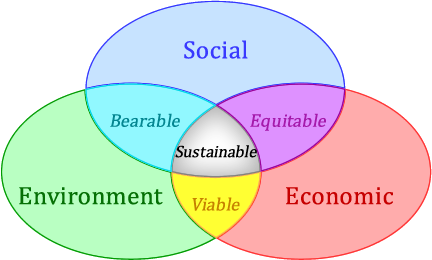
One of the key contributions of the report was its recognition that environmental degradation and economic development are not mutually exclusive. It argued that sustainable development requires a balance between economic growth, social progress, and environmental protection. This holistic approach laid the foundation for modern sustainability efforts.
The Brundtland Report highlighted several critical challenges facing humanity, including climate change, deforestation, loss of biodiversity, and poverty. It called for urgent action to address these issues through international cooperation and long-term planning.
Decades after its publication, the principles outlined in the Brundtland Report continue to shape global discussions on sustainability. Its emphasis on intergenerational equity and integrated decision-making remains highly relevant as we confront complex environmental and social challenges in the 21st century.
As we strive to build a more sustainable world for future generations, we can look back at the Brundtland Report as a pioneering document that laid the groundwork for a new vision of development—one that prioritises harmony between people, planet, and prosperity.
Understanding the Brundtland Report: Key Questions on Sustainability and Its Global Impact
- What is the Brundtland Report?
- Who led the World Commission on Environment and Development?
- What is the definition of sustainable development according to the Brundtland Report?
- What are the key principles of sustainability outlined in the report?
- What challenges did the Brundtland Report address?
- How has the Brundtland Report influenced global discussions on sustainability?
- Why is intergenerational equity important in sustainable development?
- How can individuals contribute to achieving sustainability goals inspired by the Brundtland Report?
What is the Brundtland Report?
The Brundtland Report, officially known as the World Commission on Environment and Development report, is a seminal document released in 1987 that introduced the concept of sustainable development to the global stage. Led by former Norwegian Prime Minister Gro Harlem Brundtland, the report defined sustainable development as meeting present needs without compromising the ability of future generations to meet their own needs. It emphasised the interconnectedness of economic growth, social progress, and environmental protection, setting a precedent for holistic approaches to addressing pressing global challenges. The Brundtland Report remains a cornerstone in discussions on sustainability and continues to influence policies and practices aimed at creating a more equitable and environmentally conscious world.
Who led the World Commission on Environment and Development?
The World Commission on Environment and Development, commonly known as the Brundtland Commission, was led by former Norwegian Prime Minister Gro Harlem Brundtland. As the head of the commission, Gro Harlem Brundtland played a pivotal role in shaping the concept of sustainability through the publication of the influential Brundtland Report in 1987. Her leadership and commitment to addressing global environmental challenges while promoting economic and social progress have left a lasting impact on the discourse surrounding sustainable development.
What is the definition of sustainable development according to the Brundtland Report?
The Brundtland Report, published in 1987 by the World Commission on Environment and Development, defines sustainable development as “development that meets the needs of the present without compromising the ability of future generations to meet their own needs.” This definition underscores the importance of balancing economic growth, social progress, and environmental protection to ensure a harmonious coexistence between current and future generations. By emphasising the interconnectedness of these elements, the Brundtland Report advocates for a holistic approach to development that considers long-term sustainability alongside immediate needs.
What are the key principles of sustainability outlined in the report?
The Brundtland Report outlined several key principles of sustainability that have since become foundational in global discussions on sustainable development. These principles include the concept of meeting the needs of the present without compromising the ability of future generations to meet their own needs, known as intergenerational equity. The report also emphasised the importance of balancing economic growth, social progress, and environmental protection to achieve sustainable development. Furthermore, it highlighted the interconnectedness of environmental, economic, and social issues, advocating for integrated decision-making and international cooperation to address pressing global challenges.
What challenges did the Brundtland Report address?
The Brundtland Report addressed a range of critical challenges that were becoming increasingly pressing in the late 20th century. These challenges included environmental degradation, such as climate change, deforestation, and loss of biodiversity, as well as social issues like poverty and inequity. The report recognised the interconnected nature of these challenges and emphasised the importance of finding sustainable solutions that would not only meet the needs of the present but also safeguard the wellbeing of future generations. By highlighting these urgent issues and advocating for a balanced approach to development that considers economic, social, and environmental factors, the Brundtland Report laid the groundwork for a more holistic understanding of sustainability.
How has the Brundtland Report influenced global discussions on sustainability?
The Brundtland Report has had a profound impact on shaping global discussions on sustainability. By introducing the concept of sustainable development as a harmonious balance between environmental protection, economic growth, and social equity, the report provided a comprehensive framework for addressing pressing global challenges. Its emphasis on intergenerational equity and the interconnectedness of environmental, social, and economic factors has guided policymakers, businesses, and communities in their efforts to promote sustainability. Decades after its publication, the Brundtland Report continues to serve as a foundational document that inspires action and dialogue towards a more sustainable future for all.
Why is intergenerational equity important in sustainable development?
Intergenerational equity plays a crucial role in sustainable development by ensuring that the needs and rights of present and future generations are considered and balanced. By prioritising intergenerational equity, sustainable development aims to create a legacy of well-being, environmental stewardship, and social justice that can be passed on to future generations. This approach acknowledges that the actions we take today have long-term consequences for those who will inherit the planet tomorrow. By promoting fairness and responsibility across generations, intergenerational equity fosters a sense of shared responsibility for preserving resources, protecting the environment, and promoting social progress for all.
How can individuals contribute to achieving sustainability goals inspired by the Brundtland Report?
Individuals play a crucial role in contributing to achieving sustainability goals inspired by the Brundtland Report. By making conscious choices in their daily lives, such as reducing energy consumption, minimising waste, supporting sustainable products and practices, and advocating for environmental protection, individuals can have a significant impact. Additionally, raising awareness about the importance of sustainable development and encouraging others to take action can help create a collective effort towards a more sustainable future. By aligning personal behaviours with the principles of the Brundtland Report, individuals can contribute to building a more resilient and equitable world for present and future generations.