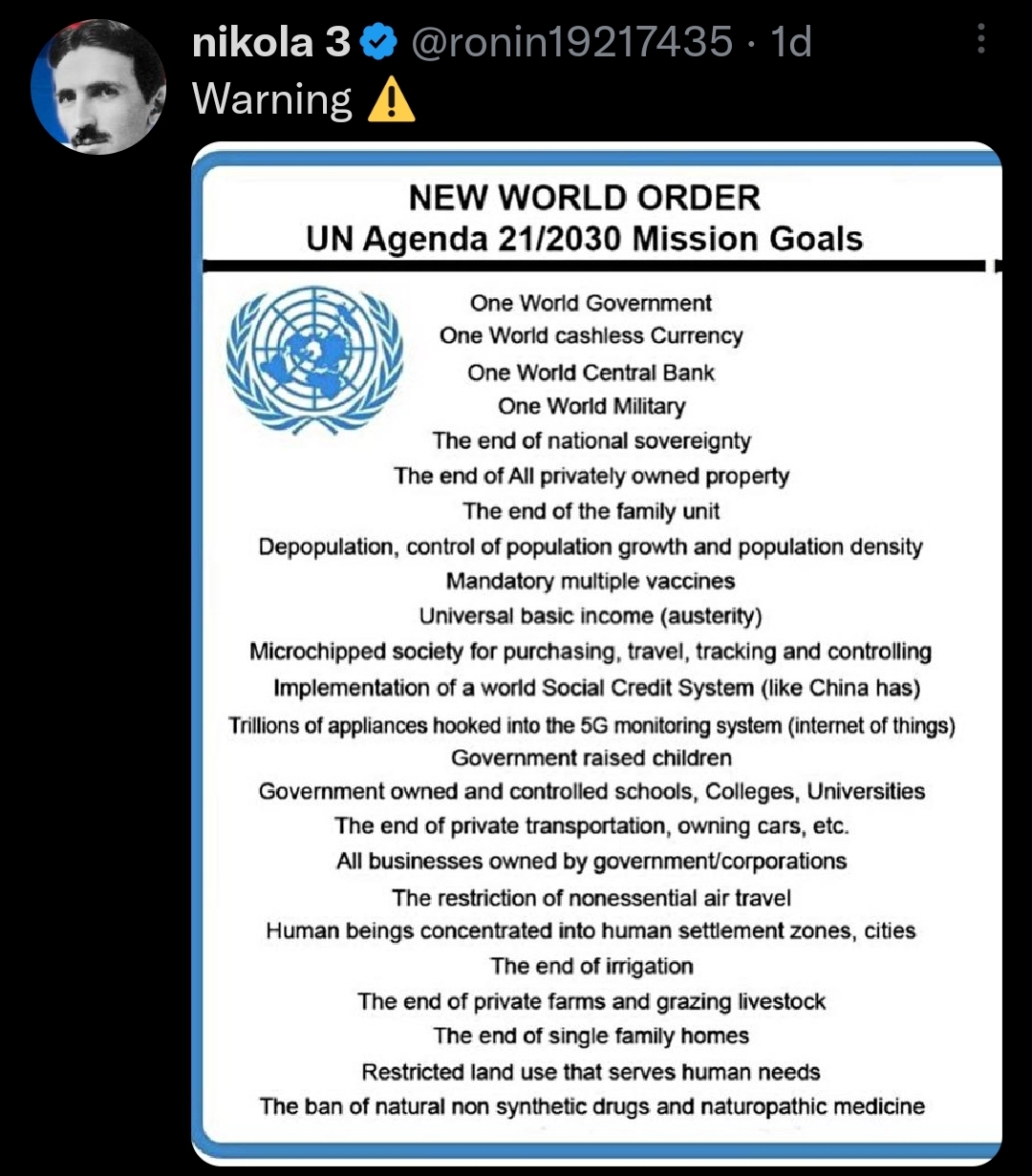
The UN 2030 Agenda and the Sustainable Development Goals
The United Nations 2030 Agenda for Sustainable Development is a global plan to improve people’s lives, protect the planet and promote peace and prosperity. Adopted by all UN Member States in 2015, it sets out a shared ambition: to build a fairer, more sustainable world by 2030.
At the heart of the Agenda are 17 Sustainable Development Goals (SDGs), supported by 169 targets. They address challenges ranging from poverty and hunger to climate change, inequality and access to justice. The goals apply to every country, regardless of income or level of development, and recognise that progress in one area often depends on progress in others.
The 17 Sustainable Development Goals
- No Poverty: End poverty in all its forms everywhere.
- Zero Hunger: End hunger, achieve food security and improved nutrition, and promote sustainable agriculture.
- Good Health and Well-being: Ensure healthy lives and promote well-being for all at all ages.
- Quality Education: Ensure inclusive and equitable quality education and promote lifelong learning opportunities for all.
- Gender Equality: Achieve gender equality and empower all women and girls.
- Clean Water and Sanitation: Ensure the availability and sustainable management of water and sanitation for all.
- Affordable and Clean Energy: Ensure access to affordable, reliable, sustainable and modern energy for all.
- Decent Work and Economic Growth: Promote sustained, inclusive and sustainable economic growth, full and productive employment, and decent work for all.
- Industry, Innovation and Infrastructure: Build resilient infrastructure, promote inclusive and sustainable industrialisation, and foster innovation.
- Reduced Inequalities: Reduce inequality within and among countries.
- Sustainable Cities and Communities: Make cities and human settlements inclusive, safe, resilient and sustainable.
- Responsible Consumption and Production: Ensure sustainable consumption and production patterns.
- Climate Action: Take urgent action to combat climate change and its impacts.
- Life Below Water: Conserve and sustainably use the oceans, seas and marine resources.
- Life on Land: Protect, restore and promote the sustainable use of terrestrial ecosystems, manage forests sustainably, combat desertification, and halt and reverse land degradation and biodiversity loss.
- Peace, Justice and Strong Institutions: Promote peaceful and inclusive societies, provide access to justice for all, and build effective, accountable and inclusive institutions.
- Partnerships for the Goals: Strengthen the means of implementation and revitalise the global partnership for sustainable development.
A connected approach to global challenges
The SDGs are designed to be considered together, rather than as separate tasks. Expanding access to education, for example, can support better health, reduce poverty and open up employment opportunities. Likewise, efforts to grow the economy need to take account of environmental limits and the quality of work being created.
The Agenda also emphasises inclusion. Its commitment to “leave no one behind” means that progress should reach people who face the greatest barriers, including those affected by poverty, discrimination, conflict or disability. Reliable data is important for identifying who is benefiting and where further action is needed.
How progress is made
Responsibility for achieving the goals is shared. National and local governments shape policies and services; businesses can influence jobs, supply chains and investment; and civil society, researchers and communities contribute expertise, scrutiny and practical action. International cooperation is also essential, particularly on challenges that cross borders, such as climate change, disease and financial stability.
The UN monitors progress through a framework of indicators and regular reporting. Countries use these measures to assess their own progress and identify areas requiring attention. The goals are not legally binding, but they provide a common reference point for planning, cooperation and accountability.
The challenge of reaching 2030
Progress towards the goals has been uneven. Conflict, economic shocks, the effects of the COVID-19 pandemic and worsening environmental pressures have set back development in many places. At the same time, the scale and interconnected nature of the goals make sustained funding, effective institutions and international cooperation crucial.
The 2030 Agenda is both a destination and a framework for action. Its goals offer a way to connect social progress, economic development and environmental protection, while measuring whether efforts are making a difference. Reaching them requires long-term commitment from governments and organisations, as well as meaningful participation by the people whose lives the goals are intended to improve.
Eight Benefits of the UN’s 2030 Agenda for Sustainable Development
- Provides a shared global framework for sustainable development.
- Aims to reduce poverty and hunger.
- Promotes access to quality education and healthcare.
- Supports gender equality and human rights.
- Encourages clean energy and climate action.
- Promotes sustainable cities and communities.
- Highlights the importance of reducing inequality.
- Encourages international cooperation and accountability.
Key Limitations of the UN’s 2030 Agenda Goals
- The goals are not legally binding, so countries face limited consequences for falling behind.
- There is no guarantee that every country will have enough funding to meet the targets.
- The 17 goals are broad and can be difficult to measure consistently.
- Progress can be slowed by conflict, political changes and competing national priorities.
Provides a shared global framework for sustainable development.
The UN 2030 Agenda provides a shared global framework for sustainable development, giving countries, organisations and communities a common set of goals and priorities. This makes it easier to coordinate action, compare progress and work together on challenges that cross borders, while allowing each country to adapt its approach to local needs.
Aims to reduce poverty and hunger.
One of the key benefits of the UN 2030 Agenda is its commitment to reducing poverty and hunger. Sustainable Development Goals 1 and 2 call for an end to poverty in all its forms and for everyone to have access to safe, nutritious food. Achieving these aims can improve health and wellbeing, widen opportunities for education and employment, and help communities build greater resilience. By also supporting social protection and sustainable agriculture, the Agenda seeks to tackle both the immediate effects and the underlying causes of poverty and hunger.
Promotes access to quality education and healthcare.
The UN 2030 Agenda promotes access to quality education and healthcare as essential foundations for people’s wellbeing and opportunity. Its goals call for inclusive, equitable education and lifelong learning, alongside access to healthcare and support for healthy lives at every age. Progress in these areas can help people gain skills, prevent and treat illness, and participate more fully in their communities. By encouraging countries to address barriers such as poverty, inequality and limited services, the Agenda supports a fairer chance for everyone to learn, stay healthy and reach their potential.
Supports gender equality and human rights.
The UN 2030 Agenda supports gender equality and human rights by calling for discrimination and violence to be addressed, and for everyone to have equal opportunities and access to essential services. Sustainable Development Goal 5 focuses specifically on gender equality and empowering women and girls, while human rights principles run throughout the wider agenda. Together, these commitments encourage governments and communities to tackle barriers, strengthen protections and ensure that progress benefits everyone.
Encourages clean energy and climate action.
One important benefit of the UN 2030 Agenda is that it encourages the development of clean energy and stronger action on climate change. By promoting affordable renewable power, energy efficiency and investment in low-carbon technologies, the goals can help reduce greenhouse gas emissions and air pollution. This supports a more sustainable energy system while also creating opportunities for innovation, jobs and healthier communities.
Promotes sustainable cities and communities.
The UN 2030 Agenda promotes sustainable cities and communities by encouraging urban areas to become more inclusive, safe, resilient and environmentally responsible. Its goals support access to affordable housing and public transport, protect cultural and natural heritage, and encourage better planning and greener public spaces. By helping cities use resources more efficiently and prepare for challenges such as climate change, the Agenda can improve quality of life for residents while supporting communities to thrive in the long term.
Highlights the importance of reducing inequality.
The UN 2030 Agenda highlights that reducing inequality is essential to sustainable development. Sustainable Development Goal 10 calls for narrowing disparities within and between countries, while the wider goals address barriers linked to poverty, education, healthcare, gender and opportunity. By focusing on inclusion and ensuring that no one is left behind, the Agenda encourages governments and communities to create fairer policies and improve access to the resources people need to thrive.
Encourages international cooperation and accountability.
The UN 2030 Agenda encourages countries to work together on challenges that cross borders, from climate change and poverty to public health and inequality. Its shared goals provide a common framework for cooperation, helping governments, businesses and communities coordinate their efforts and exchange knowledge. Regular monitoring and reporting also make it easier to assess progress, identify gaps and hold decision-makers accountable for their commitments.
The goals are not legally binding, so countries face limited consequences for falling behind.
A key limitation of the UN 2030 Agenda is that its Sustainable Development Goals are not legally binding. Countries are expected to report on their progress, but there are few formal consequences if they miss targets or fall behind. This can weaken accountability and make it harder to ensure that governments turn their commitments into effective action. As a result, progress may depend heavily on political will, public pressure and voluntary cooperation rather than enforceable obligations.
There is no guarantee that every country will have enough funding to meet the targets.
One challenge with the UN 2030 Agenda is that there is no guarantee every country will have enough funding to meet its targets. Delivering the Sustainable Development Goals can require substantial investment in areas such as healthcare, education, clean energy and infrastructure, yet governments have very different financial resources and priorities. Countries facing high debt, economic instability or urgent crises may struggle to fund these programmes, while international support and private investment may not fill the gap. As a result, progress could be uneven, with countries that have fewer resources finding it harder to achieve the goals by 2030.
The 17 goals are broad and can be difficult to measure consistently.
One challenge of the UN 2030 Agenda is that its 17 goals are broad and interconnected, which can make progress difficult to measure consistently. Countries may interpret targets differently, use varying data sources or have unequal capacity to collect reliable information. As a result, comparisons between places and over time can be difficult, and it may not always be clear whether reported progress reflects meaningful change. Clear indicators, consistent data and transparent reporting are therefore essential for assessing how well the goals are being achieved.
Progress can be slowed by conflict, political changes and competing national priorities.
Progress towards the UN 2030 Agenda can be slowed by conflict, political change and competing national priorities. Wars and instability can divert funding and attention away from essential services and sustainable development, while changes in government may lead to policies or commitments being revised. Countries must also balance the goals with immediate economic and social pressures, making it harder to maintain consistent action across all 17 objectives.