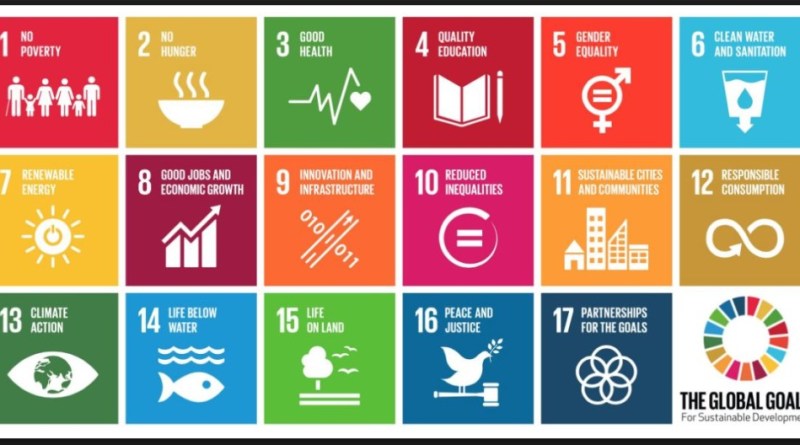
Global Goal 2: Zero Hunger
Global Goal 2, known as Zero Hunger, is one of the United Nations’ 17 Sustainable Development Goals. Adopted in 2015, the goals set out a shared plan for a fairer, healthier and more sustainable world by 2030. Goal 2 aims to end hunger, achieve food security, improve nutrition and promote sustainable agriculture.
Why Zero Hunger matters
Access to sufficient, safe and nutritious food is essential for health and wellbeing. Hunger can affect a person’s growth, learning and ability to work, while malnutrition can have lasting consequences throughout life. Its effects are often most severe for children, pregnant women and people living in poverty or in areas affected by conflict and climate-related disasters.
Food insecurity is not simply a matter of producing more food. Poverty, inequality, conflict, displacement, economic shocks and disruptions to supply chains can all prevent people from getting the food they need. Climate change also makes farming less predictable through droughts, floods, heat and changing growing seasons.
What Goal 2 aims to achieve
Goal 2 sets out a broad programme of action. Its targets include ending hunger and ensuring everyone has access to safe, nutritious and sufficient food throughout the year. It also calls for an end to all forms of malnutrition, including meeting internationally agreed targets for children under five and addressing the nutritional needs of adolescent girls, pregnant and breastfeeding women, and older people.
The goal also focuses on sustainable agriculture. This means supporting farming that can produce food while protecting soil, water and biodiversity, and helping farmers adapt to changing conditions. Other targets include improving the incomes and productivity of small-scale food producers, preserving the genetic diversity of seeds and livestock, and investing in rural infrastructure, agricultural research and technology.
Food systems need to be sustainable and fair
Achieving Zero Hunger depends on food systems that work for both people and the planet. Farmers need access to land, training, finance, markets and suitable technology. Communities also benefit from diverse, locally appropriate crops and farming methods that build resilience to droughts, pests and other risks.
Reducing food loss and waste is another important part of the picture. Food can be lost during harvesting, storage and transport, or wasted by retailers and households. Better storage, transport and planning can help more food reach the people who need it, while reducing the resources used to produce food that is never eaten.
Progress requires shared action
Governments have a central role in tackling poverty, supporting farmers, strengthening social protection and ensuring that food is safe and affordable. Businesses can improve supply chains, reduce waste and uphold responsible farming and labour practices. Researchers and community organisations can develop practical solutions and help ensure that the voices of local people are heard.
Individuals can contribute too: planning meals, storing food well, using leftovers and choosing food produced with care can all help. These actions cannot replace broader changes to policies and food systems, but they can support a wider culture of sustainability.
A goal connected to many others
Zero Hunger is closely linked to other Sustainable Development Goals. Better nutrition supports health and education; fairer livelihoods can help reduce poverty; and sustainable farming can contribute to climate action and protect life on land. Progress on Goal 2 therefore depends on addressing the wider conditions that shape people’s access to food.
Ending hunger by 2030 is an ambitious challenge, but it is also achievable with sustained cooperation and investment. The aim is not only to produce enough food, but to build resilient, fair and sustainable food systems in which everyone can access the nutritious food they need.
Eight Benefits of Global Goal 2: Zero Hunger
- Helps tackle hunger worldwide.
- Promotes access to nutritious food.
- Supports healthier childhood development.
- Encourages sustainable farming.
- Helps small-scale farmers thrive.
- Builds resilience to climate change.
- Reduces food loss and waste.
- Supports a fairer, healthier future.
Barriers to Zero Hunger: Slow Progress, Climate and Conflict Risks, and Sustainable Farming Costs
- Progress towards ending hunger is uneven and too slow.
- Climate change and conflict threaten food security.
- Sustainable farming can be costly for small-scale farmers.
Helps tackle hunger worldwide.
Global Goal 2 helps tackle hunger worldwide by promoting access to safe, nutritious and sufficient food for everyone throughout the year. It encourages governments, communities and organisations to address the causes of food insecurity, support farmers and build more resilient food systems. By focusing on both immediate food needs and long-term solutions, the goal can help people lead healthier lives and reduce the risk of hunger for future generations.
Promotes access to nutritious food.
One important benefit of Global Goal 2 is that it promotes access to nutritious food for everyone. A healthy, balanced diet supports growth, strengthens wellbeing and helps people learn, work and lead active lives. By tackling hunger and malnutrition, while encouraging fairer and more sustainable food systems, Goal 2 aims to make nutritious food more available and affordable, particularly for people and communities facing disadvantage.
Supports healthier childhood development.
Global Goal 2 supports healthier childhood development by promoting reliable access to nutritious food. A balanced diet provides children with the energy and essential nutrients they need to grow, learn and thrive. Tackling hunger and malnutrition can also reduce the risk of developmental difficulties and help children take part more fully in education and daily life.
Encourages sustainable farming.
Global Goal 2 encourages sustainable farming by promoting agricultural practices that protect natural resources while producing enough nutritious food. This includes improving soil health, using water more efficiently, reducing reliance on harmful chemicals and supporting farming methods that can withstand droughts, floods and other climate-related challenges. By helping farmers produce food in ways that are kinder to the environment, Goal 2 supports long-term food security and healthier ecosystems.
Helps small-scale farmers thrive.
Global Goal 2 helps small-scale farmers thrive by promoting access to land, finance, training, technology and markets. These resources can help farmers increase their productivity, improve their incomes and build resilience to challenges such as droughts, pests and changing prices. Supporting small-scale producers also strengthens local food systems and contributes to a more reliable, sustainable food supply for their communities.
Builds resilience to climate change.
Global Goal 2 helps build resilience to climate change by promoting sustainable farming practices that protect soil and water, support biodiversity and reduce reliance on vulnerable crops. It also encourages investment in research, technology and training so farmers can adapt to changing weather patterns, droughts, floods and pests. More resilient food systems are better able to withstand climate-related shocks, helping communities maintain reliable access to nutritious food.
Reduces food loss and waste.
Reducing food loss and waste helps make more of the food already produced available to people, supporting progress towards Global Goal 2: Zero Hunger. Better harvesting, storage and transport can prevent food from being lost before it reaches shops, while careful meal planning and using leftovers can reduce waste at home. This also makes better use of the water, land and energy used to grow and transport food, helping create a more sustainable food system.
Supports a fairer, healthier future.
Global Goal 2 supports a fairer, healthier future by working towards a world where everyone can access enough safe, nutritious food, regardless of their circumstances. Better nutrition helps children grow and learn, supports people’s health and wellbeing, and gives communities a stronger foundation to thrive. By promoting sustainable agriculture and supporting small-scale food producers, the goal also aims to create fairer livelihoods while protecting the resources future generations depend on.
Progress towards ending hunger is uneven and too slow.
Progress towards ending hunger remains uneven and too slow, with some regions and communities making gains while others continue to face severe food insecurity and malnutrition. Conflict, poverty, climate-related disasters and rising food prices can reverse progress, particularly for people already at risk. Without stronger, sustained action to address these underlying causes and ensure that nutritious food is accessible to everyone, the ambition of achieving Zero Hunger by 2030 may remain out of reach.
Climate change and conflict threaten food security.
Climate change and conflict pose serious threats to food security, making it harder for communities to grow, transport and afford nutritious food. Droughts, floods and extreme heat can damage crops, reduce livestock and disrupt harvests, while conflict may force people from their homes, prevent farmers from accessing their land and interrupt supply routes. These pressures can drive up food prices and leave vulnerable households at greater risk of hunger and malnutrition, undermining progress towards Global Goal 2.
Sustainable farming can be costly for small-scale farmers.
Sustainable farming can be costly for small-scale farmers, who may need to invest in new equipment, seeds, irrigation systems or training to adopt more environmentally friendly methods. These expenses can be difficult to manage when farmers have limited access to credit, government support or reliable markets. Some sustainable techniques may also take time to improve yields, creating financial pressure in the short term. Without affordable funding and practical support, the transition can risk placing a disproportionate burden on the very farmers it is intended to help.