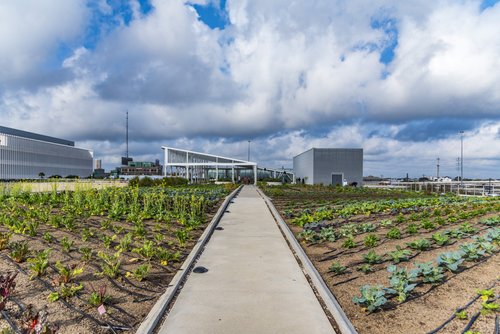
Urban Agriculture Consortia: Growing Stronger Cities Together
Urban agriculture brings food production into towns and cities, from community gardens and rooftop greenhouses to indoor farms and orchards. When these projects work together through a consortium, they can share resources, knowledge and influence—and make a greater contribution to urban life.
What is an urban agriculture consortium?
An urban agriculture consortium is a partnership of organisations and people working to support food growing in an urban area. Its members might include community groups, growers, local authorities, universities, schools, charities, businesses and public health organisations.
The consortium may coordinate projects across a neighbourhood or city, or focus on a particular goal, such as improving access to fresh food, training new growers or making use of vacant land. It does not necessarily run every project itself. Often, its main role is to connect participants and help their work achieve more together.
Why work as a consortium?
Urban growing projects can face similar obstacles: limited access to land, short-term funding, a lack of equipment or difficulty reaching new participants. Working collectively can help members tackle these challenges. A consortium can share tools and growing spaces, connect projects with funders and experts, and help members learn from one another.
A coordinated approach can also help projects complement rather than duplicate each other. For example, one organisation might provide horticultural training, another could offer land, and a local food group could help distribute the harvest. Together, they can create a more complete programme than any one organisation could deliver alone.
Benefits for cities and communities
- More accessible fresh food: Growing and distributing produce locally can improve access to fresh ingredients, particularly where healthy food is difficult to obtain.
- Skills and employment: Training, volunteering and enterprise opportunities can help people develop practical skills and explore careers in food and horticulture.
- Greener neighbourhoods: Gardens and growing spaces can add vegetation, support biodiversity and make underused sites more welcoming.
- Community connections: Shared growing activities can bring neighbours together across generations and backgrounds.
- Resilience: Local growing is not a replacement for wider food supply chains, but it can strengthen local knowledge, relationships and capacity.
Building an effective partnership
A successful consortium needs a clear purpose and a practical way of working. Members should agree on shared priorities, decide how decisions will be made and ensure that smaller community groups have a genuine voice. Regular meetings, transparent communication and clear responsibilities can help maintain trust.
It is also important to understand the needs of local residents. Plans should be shaped with the people who live and work in the area, rather than imposed upon them. This includes considering accessibility, language, cost, opening hours and whether residents have a meaningful role in setting priorities.
Challenges to consider
Collaboration takes time. Organisations may have different priorities, ways of working and expectations about how resources should be shared. Land access can be uncertain, while funding may be short-term. These issues are easier to address when agreements are clear and the consortium invests in coordination, not just individual growing projects.
Members should also be realistic about what urban agriculture can achieve. Growing food in cities can provide valuable social, educational and environmental benefits, but it cannot by itself solve food insecurity or replace large-scale agriculture. Strong consortia link growing activities with wider efforts around food access, education, planning and public health.
Looking ahead
As cities respond to climate change, pressure on green space and rising concern about food access, urban agriculture consortia can help turn separate initiatives into a connected local movement. By combining practical experience with community knowledge and institutional support, they can create growing spaces that are more inclusive, resilient and rooted in the needs of their neighbourhoods.
The strength of a consortium lies not only in how much it grows, but in the relationships it cultivates—and in its ability to help more people take part in shaping a healthier urban food system.
Eight Key Benefits of an Urban Agriculture Consortium
- Shares knowledge and expertise.
- Improves access to land and tools.
- Strengthens local food networks.
- Creates training and employment opportunities.
- Encourages community participation.
- Supports greener neighbourhoods.
- Helps projects attract funding.
- Builds resilience through collaboration.
Challenges Facing Urban Agriculture Consortia
- Coordination can be time-consuming.
- Funding may be uncertain.
- Partners may have conflicting priorities.
- Access to suitable land can be limited.
Shares knowledge and expertise.
An urban agriculture consortium brings together growers, community groups, researchers and local organisations, creating opportunities to share knowledge and expertise. Members can exchange practical advice on everything from soil health and crop planning to funding, training and community engagement. By learning from one another’s successes and challenges, they can improve their projects, avoid repeating mistakes and develop effective approaches suited to local needs.
Improves access to land and tools.
An urban agriculture consortium can make it easier for community groups and growers to access land and tools. By bringing organisations together, it can identify underused sites, connect members with landowners and coordinate access to shared equipment such as compost bins, irrigation systems and hand tools. Pooling these resources can reduce costs and barriers to getting started, helping more people take part in local food growing.
Strengthens local food networks.
An urban agriculture consortium strengthens local food networks by bringing growers, community groups, food businesses and local authorities together. By connecting local production with storage, distribution and food-sharing initiatives, it can help fresh produce reach nearby residents more efficiently. These partnerships also build trust between organisations, encourage collaboration and make the local food system more resilient.
Creates training and employment opportunities.
An urban agriculture consortium can create valuable training and employment opportunities by bringing together growers, community organisations, educational institutions and local employers. Through shared programmes, people can gain practical skills in horticulture, food production, business management and sustainable growing, while volunteering or work placements can offer a route into paid roles. By coordinating resources and connecting participants with employers, the consortium can help develop career pathways and support local livelihoods.
Encourages community participation.
An urban agriculture consortium encourages community participation by bringing residents, growers, community groups and local organisations together to shape food-growing projects. People can share ideas, contribute local knowledge and take part in activities such as planting, harvesting and distributing produce. This shared involvement helps projects reflect neighbourhood needs, builds a sense of ownership and strengthens connections between residents.
Supports greener neighbourhoods.
An urban agriculture consortium can help make neighbourhoods greener by bringing together residents, community groups and local organisations to create and care for shared growing spaces. Community gardens, orchards and rooftop farms add vegetation to built-up areas, support pollinators and other wildlife, and make underused land more welcoming. By coordinating projects across a neighbourhood, a consortium can help these spaces thrive and ensure their benefits are shared by the wider community.
Helps projects attract funding.
An urban agriculture consortium can help projects attract funding by bringing organisations together around shared goals and demonstrating a wider, coordinated impact. Funders may be more inclined to support a partnership that combines community knowledge, practical expertise and strong local connections than a single project working alone. Consortium members can also share fundraising skills, identify suitable grant opportunities and pool resources to prepare stronger applications.
Builds resilience through collaboration.
An urban agriculture consortium builds resilience by bringing growers, community groups, local authorities and other partners together to share knowledge, resources and practical support. If one project faces challenges such as funding cuts, extreme weather or limited access to land, the wider network can help find solutions and keep valuable work going. This collaboration also strengthens local skills and relationships, helping communities adapt to change and maintain more reliable, connected food-growing initiatives.
Coordination can be time-consuming.
Co-ordinating an urban agriculture consortium can be time-consuming, as partners often have different priorities, schedules and ways of working. Organising meetings, agreeing responsibilities and keeping everyone informed takes ongoing effort, which can leave less time for practical activities such as growing, training and community engagement.
Funding may be uncertain.
Funding for an urban agriculture consortium can be uncertain, as projects often rely on short-term grants, donations or temporary public funding. This makes it difficult to plan for the long term, retain skilled staff, maintain growing spaces and provide consistent support to member organisations. Developing a mix of funding sources and building realistic budgets can help, but sustained investment is essential if the consortium is to deliver lasting benefits for its community.
Partners may have conflicting priorities.
Partners in an urban agriculture consortium may have conflicting priorities, which can make it difficult to agree on shared goals and how resources should be used. Community groups might focus on affordable local food, while businesses prioritise commercial growth and local authorities emphasise planning or environmental targets. Without open communication, clear decision-making and agreed responsibilities, these differences can slow progress, create tension and weaken the partnership.
Access to suitable land can be limited.
Access to suitable land can be a major challenge for an urban agriculture consortium. Available sites may be scarce, costly or far from the communities they are intended to serve, while vacant plots may lack reliable water, healthy soil or secure tenure. Consortium members may also need to navigate planning rules and compete with housing, commercial development and other uses for urban space. Without long-term access to appropriate land, it can be difficult to invest in infrastructure, plan growing seasons and build lasting community programmes.