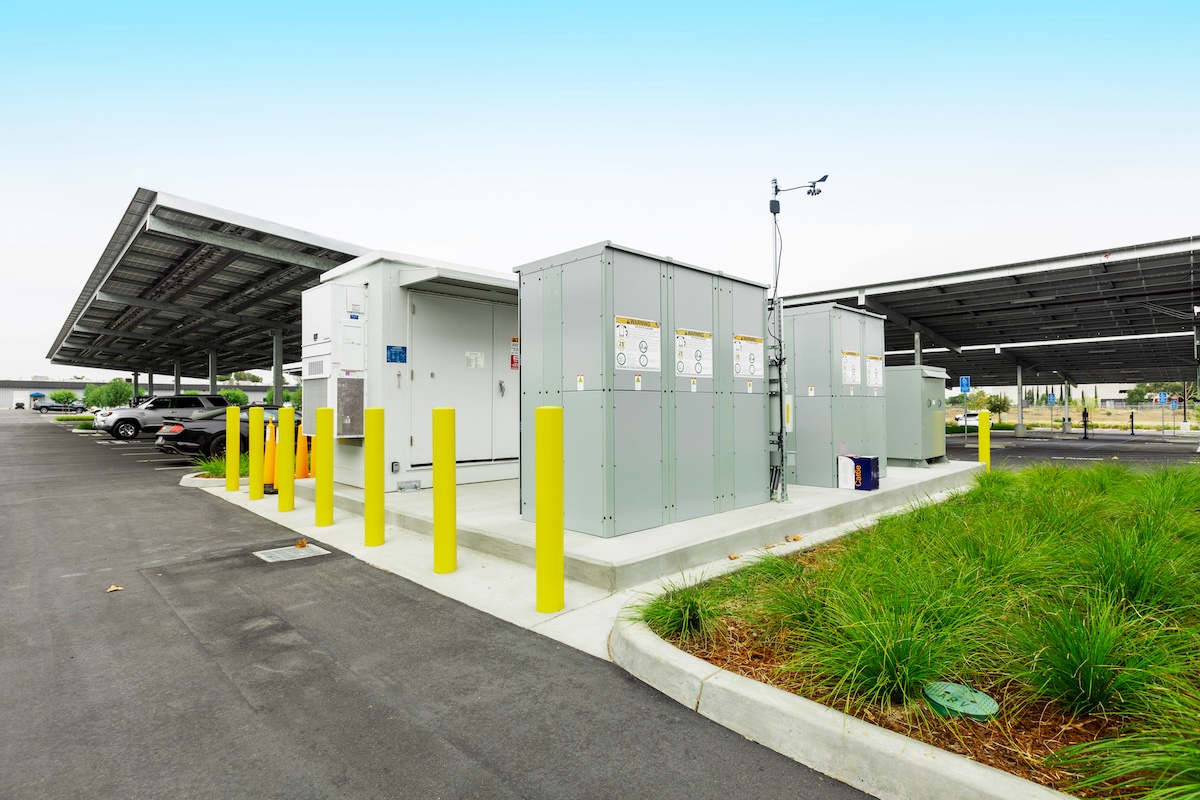
Commercial Energy Storage: Making Better Use of Energy
Commercial energy storage helps businesses manage when and how they use electricity. By storing energy and using it later, organisations can reduce pressure on their electricity supply, make better use of renewable power and improve resilience. As energy costs and demand change, storage is becoming an increasingly important part of planning for businesses, public buildings and industrial sites.
What is commercial energy storage?
Commercial energy storage refers to systems that store electricity or other forms of energy for later use. The most familiar option is a battery energy storage system, often installed in a building, plant room or outdoor enclosure. Systems range in size, from batteries supporting a single commercial premises to larger installations connected to the electricity network.
Energy can come from the grid, on-site generation such as solar panels, or a combination of sources. A control system manages charging and discharging, responding to factors such as energy demand, electricity prices and the needs of the site.
How businesses use energy storage
- Shifting energy use: A battery can charge when electricity is cheaper or more readily available, then supply power during periods when demand or prices are higher.
- Using more solar power: Businesses with solar panels can store surplus daytime generation for use later, including in the evening or during periods of higher demand.
- Managing peak demand: A system can provide part of a site’s electricity during short periods of high demand, potentially helping to manage peak-related costs. The benefit depends on the site’s tariff and how charges are calculated.
- Supporting continuity: Storage may provide backup power for selected equipment during an interruption, when designed and configured for that purpose. It is not automatically a replacement for a generator or an uninterruptible power supply.
- Providing grid services: Some larger systems can be contracted to support the electricity network. Participation depends on technical requirements, market arrangements and the system’s availability.
Potential benefits
The main advantage of energy storage is flexibility. Instead of using electricity only as it is generated or supplied, a business can shift some consumption to a more suitable time. This can help make on-site renewable generation more useful and may reduce exposure to certain costs.
Storage can also help sites with variable or intensive electricity demand, such as warehouses, factories, offices and commercial buildings with electric vehicle charging. In some cases, it may support the adoption of low-carbon technologies by helping to balance their effect on a site’s electricity supply.
However, a battery does not guarantee lower bills or emissions. Outcomes depend on factors including the system’s size, efficiency, installation cost, electricity tariff, operating pattern and the source of the electricity used to charge it.
Choosing a suitable system
There is no single storage solution for every organisation. Before investing, businesses should understand their electricity use and identify the problem they want the system to solve. Useful questions include:
- When does the site use the most electricity?
- Does it have solar panels or plans to install them?
- Are electricity costs affected by peak demand or time-based tariffs?
- Which equipment, if any, needs backup power?
- Is there enough space and suitable electrical capacity for an installation?
- Could the system provide value through grid services, and what commitments would that involve?
A site assessment should consider the battery’s power rating, which describes how quickly it can supply or absorb electricity, and its energy capacity, which describes how much it can store. The control system is also important: it determines when the battery charges and discharges, and how it responds to the site’s needs.
Costs, performance and safety
The total cost goes beyond the battery itself. It may include design, installation, electrical upgrades, software, ongoing maintenance and eventual replacement or recycling. A financial assessment should use realistic assumptions about energy prices, system performance and operating life, rather than relying on a single forecast.
Battery systems also need appropriate safety planning. This includes selecting equipment suitable for the location, following relevant standards and regulations, and ensuring that installation, monitoring and maintenance are carried out by qualified professionals. Fire precautions, ventilation, access and emergency procedures should be considered as part of the design.
The role of storage in a changing energy system
As electricity generation becomes more varied and businesses electrify heating, transport and industrial processes, the ability to store and manage energy is likely to become more valuable. Commercial storage can help organisations adapt to these changes, but it works best as part of a wider energy plan that may include efficiency measures, renewable generation, smart controls and flexible demand.
For businesses considering a system, the starting point is a clear understanding of energy use and objectives. With careful planning, commercial energy storage can provide a practical way to improve flexibility, make better use of electricity and support a more resilient energy strategy.
Optimising Commercial Energy Storage: Five Essential Tips for Businesses
- Size storage around your site’s peak demand.
- Compare battery costs with expected bill savings.
- Check grid connection limits before installation.
- Use smart controls to shift energy use off-peak.
- Plan for battery maintenance and end-of-life recycling.
Size storage around your site’s peak demand.
Size your energy storage system around your site’s peak demand by reviewing electricity data to identify when usage is highest, how long peaks last and which equipment drives them. A suitably sized battery can help supply power during these periods and reduce reliance on the grid, while avoiding the cost of a system that is larger than necessary. Consider both power capacity (how much electricity it can deliver at once) and energy capacity (how long it can sustain that output), and seek a professional assessment before choosing a system.
Compare battery costs with expected bill savings.
Compare the total cost of a battery system—including installation, maintenance and eventual replacement—with the bill savings you realistically expect it to deliver. Base your estimate on your business’s energy-use patterns, tariff and likely charging and discharging schedule, rather than headline savings or optimistic forecasts. This will help you assess the payback period and decide whether storage is a worthwhile investment for your site.
Check grid connection limits before installation.
Before installing a commercial energy storage system, check the site’s grid connection limits with the local network operator. The connection may restrict how much electricity the system can export or import, which can affect its size, operation and financial benefits. Confirming these limits early can help avoid costly redesigns, connection delays or a system that cannot operate as intended.
Use smart controls to shift energy use off-peak.
Smart controls can help businesses shift energy use to off-peak periods, when electricity is often cheaper or demand on the grid is lower. By automatically charging batteries, heating water or running flexible equipment at suitable times, these systems can reduce reliance on peak-time electricity and make better use of stored or renewable energy. The best results come from matching control settings to the site’s operating needs and electricity tariff, while ensuring essential equipment remains available when required.
Plan for battery maintenance and end-of-life recycling.
Plan for battery maintenance and end-of-life recycling from the outset. Follow the manufacturer’s guidance on inspections, monitoring and servicing to help maintain performance and identify issues early. Before installation, check how the supplier will support the system over its lifetime and arrange for safe removal, reuse or recycling when the battery reaches the end of its useful life. Clear plans can help control future costs, meet relevant safety and environmental requirements, and prevent batteries from becoming an unwanted disposal problem.