Solar Storage Solutions: Making More of Your Solar Energy
Solar panels can generate clean electricity during daylight hours, but household demand does not always match the time of peak generation. A solar storage system can help bridge that gap, allowing more of the energy produced at home to be used when it is needed.
For UK households considering solar panels, storage may improve energy independence and reduce reliance on electricity from the grid. The right solution depends on your energy use, budget, property and plans for the future.
What is solar energy storage?
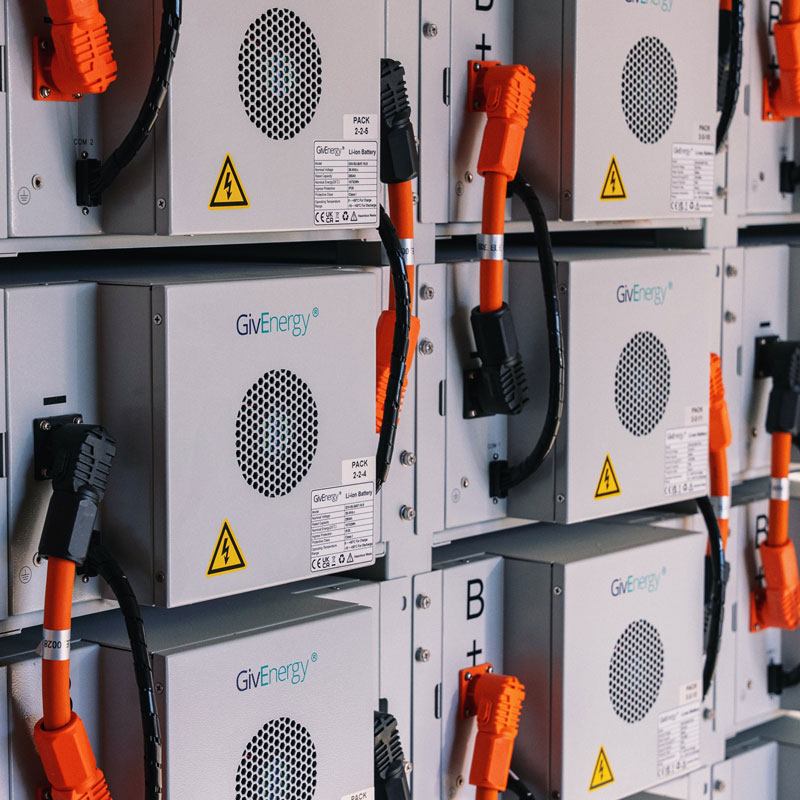
Solar storage means keeping energy generated by solar panels for later use. The most familiar option is a home battery, which stores electricity for use in the evening, overnight or during periods of low solar generation.
Storage does not have to mean a battery. A solar diverter can send surplus electricity to an immersion heater, storing energy as hot water. Some homes use a combination of technologies, depending on their heating system and energy needs.
How does a solar battery work?
During sunny periods, solar panels generate electricity. The home uses what it needs first. If the panels produce more than the household is using, the surplus can be directed to a battery rather than exported to the grid.
When solar generation falls below demand, the battery can supply some of the stored electricity. If the battery is empty, or the home needs more power than it can provide, electricity is drawn from the grid as usual.
Many systems include monitoring software, allowing householders to check generation, battery levels and electricity use through an app. Some batteries can also be charged from the grid, which may be useful with certain electricity tariffs, though this depends on the system and the household’s circumstances.
Potential benefits of solar storage
- Use more of your own solar electricity: Stored energy can be used outside daylight hours, reducing the amount of grid electricity you need to buy.
- Greater control over energy use: A battery can help households shift some electricity use to periods when solar generation is low or electricity prices are higher.
- Potential bill savings: Savings depend on your electricity tariff, how much surplus solar energy you generate, battery performance and when you use electricity.
- Backup power with compatible systems: Some installations can provide backup during a power cut. This is not automatic: the system must be designed for backup operation, and its capacity may be limited.
A battery will not necessarily be the best financial choice for every home. In some cases, exporting surplus electricity or using a solar diverter may be more suitable. Comparing realistic costs and expected savings is important before making a decision.
Choosing the right storage solution
Battery capacity
Battery capacity is usually measured in kilowatt-hours (kWh). A larger battery can store more electricity, but it also tends to cost more. The ideal size depends on how much surplus your solar panels generate and how much electricity your household uses after sunset. A system that is too large may rarely fill; one that is too small may run out quickly.
Ask an installer to assess your electricity use across the day and through the seasons, rather than sizing the battery based on annual consumption alone. Winter generation in the UK can be much lower than summer generation, so a battery cannot guarantee year-round self-sufficiency.
Power output
Capacity describes how much energy a battery can hold, while power output describes how quickly it can deliver that energy. If several appliances run at once, the battery’s power rating affects how much of the household demand it can meet at that moment.
AC-coupled and DC-coupled systems
A DC-coupled battery is connected to the solar panels before the electricity is converted for household use. An AC-coupled battery is connected to the home’s electrical system after that conversion. Both arrangements can work well. The most practical option often depends on whether you are installing a new solar system or adding a battery to existing panels.
Battery chemistry and lifespan
Home batteries use different technologies, with lithium-based batteries commonly used in residential installations. Compare the product warranty, expected operating life, usable capacity, efficiency and permitted operating conditions. Warranties vary, so check what they cover and whether any performance guarantees apply.
Battery storage or hot-water storage?
A solar diverter can use surplus solar electricity to heat water in a compatible hot-water cylinder. This can be a relatively straightforward way to make use of excess generation, particularly in a home with an immersion heater. However, it stores energy as heat rather than electricity, so it cannot power lights, appliances or other electrical equipment later.
A battery is more flexible because it can supply electricity to different parts of the home. Some households may benefit from using both approaches, but the extra equipment should be weighed against the likely savings.
Costs, tariffs and payback
The cost of a solar storage system varies according to battery size, equipment, installation requirements and whether it is being fitted alongside new solar panels. Ask for an itemised quotation and check whether it includes electrical work, monitoring, commissioning and any changes needed to your existing system.
Payback depends on several factors: the amount of solar electricity you would otherwise export, the price you pay for electricity, the value of any export payments, battery efficiency and how often the battery cycles. Export tariffs and import tariffs differ between suppliers and can change, so use current figures when comparing options. Eligible households may be able to receive payment for exported electricity through a supplier’s Smart Export Guarantee tariff, but rates and conditions vary.
Installation and safety
Choose a suitably qualified installer with experience in solar and battery systems. Before agreeing to the work, ask about system design, ventilation, location, electrical protection, monitoring, maintenance and what happens if the system needs repair. The installer should explain any limits on backup power and how the equipment will operate during a power cut.
Check that the proposed equipment is appropriate for your home and installed in line with relevant standards and manufacturer instructions. Keep documentation, warranties and commissioning details in a safe place.
Is solar storage right for your home?
Solar storage can be valuable for households that generate surplus electricity during the day and use more power in the evening. It may be less attractive if your panels rarely produce more electricity than you use, or if the cost of a battery outweighs the likely benefit.
Review your electricity bills and, if available, half-hourly usage data. Then compare a battery with alternatives such as exporting surplus electricity or heating water with a solar diverter. A well-designed system should match your household’s actual energy habits, rather than simply use the largest battery available.
With careful sizing and realistic expectations, solar storage can help households make better use of renewable electricity at home. The best solution is the one that suits your property, budget and pattern of energy use.
9 Benefits of Solar Storage Solutions: Maximising Energy Efficiency and Cost Savings
- Stores surplus solar electricity for later use
- Helps reduce reliance on grid electricity
- Can lower electricity bills
- Makes more use of home-generated energy
- Provides power after sunset
- Can help manage peak-time electricity costs
- Pairs with solar panels or can be added later
- Some systems offer backup power during outages
- Supports cleaner, more efficient energy use
Challenges of Solar Storage: Initial Costs, Diminishing Performance, and Variable Savings
- High upfront installation costs.
- Battery capacity and performance decline over time.
- Savings depend on your energy use, tariffs and solar generation.
Stores surplus solar electricity for later use
Solar storage solutions let you keep surplus electricity generated by your panels during the day and use it later, such as in the evening when solar generation is low. This can help you make more of your renewable energy at home and reduce the amount of electricity you need to buy from the grid.
Helps reduce reliance on grid electricity
Solar storage solutions can help reduce reliance on grid electricity by storing surplus energy generated during the day for use in the evening, overnight or when solar panels produce less power. This means households can use more of their own renewable electricity and may need to buy less from the grid. How much reliance is reduced depends on factors such as the size of the solar and battery systems, household energy use and seasonal conditions.
Can lower electricity bills
Solar storage solutions can help lower electricity bills by storing surplus electricity generated by your solar panels for use when the sun is not shining, such as in the evening. This can reduce the amount of electricity you need to buy from the grid. The savings depend on factors including your household’s energy use, the size of your system and your electricity tariff.
Makes more use of home-generated energy
Solar storage solutions help households make more use of the electricity their panels generate. Instead of sending all surplus energy to the grid during the day, a home battery can store it for use in the evening or when solar generation is low. This can reduce reliance on grid electricity and help households get greater value from their solar panels.
Provides power after sunset
Solar storage solutions let you use electricity generated by your solar panels after sunset. Energy stored in a home battery during the day can power lights, appliances and other household needs in the evening, helping you rely less on electricity from the grid.
Can help manage peak-time electricity costs
Solar storage can help manage peak-time electricity costs by storing surplus solar power for use when household demand or electricity prices are higher, such as in the evening. This can reduce the amount of electricity you need to buy from the grid at those times. The potential savings depend on your tariff, battery size and usage habits, so it is worth comparing these factors before investing.
Pairs with solar panels or can be added later
Solar storage solutions are flexible: they can be installed alongside a new solar panel system or added to panels you already have. Fitting a battery at the same time can simplify system design, while adding one later lets you spread the cost and see how much surplus electricity your panels produce first. Before upgrading, check that the battery is compatible with your existing inverter and electrical set-up.
Some systems offer backup power during outages
Some solar storage systems can provide backup power during a mains outage, keeping selected essentials such as lighting, refrigeration or communications running. This feature requires a compatible battery and backup configuration, so it is worth checking with your installer exactly which circuits will remain powered and for how long.
Supports cleaner, more efficient energy use
Solar storage solutions support cleaner, more efficient energy use by storing surplus electricity generated by solar panels for later, rather than letting it go unused. Using this stored power in the evening or when demand is higher can reduce reliance on grid electricity and help households make better use of renewable energy.
High upfront installation costs.
One of the main drawbacks of solar storage solutions is their high upfront installation cost. Adding a battery to a solar panel system can significantly increase the initial investment, and savings on electricity bills may take years to offset the expense. The payback period depends on factors such as battery size, household energy use, electricity tariffs and installation requirements, so it is worth comparing quotes and checking expected savings before committing.
Battery capacity and performance decline over time.
Battery capacity and performance gradually decline with use and age, meaning a solar storage system may hold less electricity and deliver it less efficiently over time. As a result, it may not cover as much of your household’s energy use as it did when new, and the battery could eventually need repair or replacement. Check the manufacturer’s warranty and expected lifespan when comparing systems, as these can help you understand the likely long-term costs.
Savings depend on your energy use, tariffs and solar generation.
The savings from solar storage depend on how much electricity your household uses, when you use it and how much surplus your panels generate. Your import and export tariffs also matter: if grid electricity is relatively cheap or exported solar power earns a favourable rate, a battery may take longer to pay for itself. Because solar generation varies with the seasons and weather, expected savings can differ from one year to the next.