Clean Energy and Sustainable Development Goal 7
Clean energy is essential to a fairer, healthier and more sustainable future. Sustainable Development Goal 7 (SDG 7) calls on the world to “ensure access to affordable, reliable, sustainable and modern energy for all”. It recognises that energy powers homes, schools, hospitals, businesses and transport—and that the way energy is produced has major consequences for people and the planet.
What does SDG 7 aim to achieve?
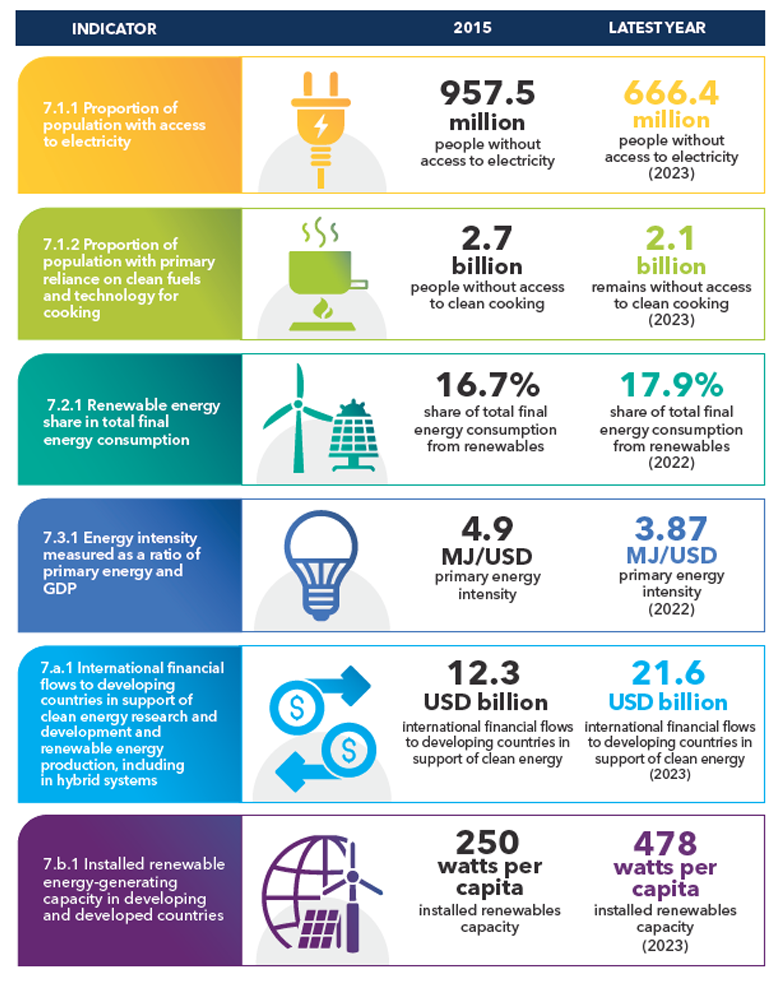
SDG 7 sets out a global ambition to improve access to modern energy while making energy systems cleaner and more efficient. Its priorities include expanding access to electricity and clean cooking, increasing the share of renewable energy, improving energy efficiency and supporting international co-operation on clean-energy technology and infrastructure.
These aims are closely connected. Reliable electricity can support education, healthcare and livelihoods, while renewable power and efficient technologies can help meet energy needs with lower greenhouse gas emissions.
Why clean energy matters
Many communities still lack dependable access to electricity or rely on polluting fuels for cooking and heating. This can affect health, safety and opportunities for education and work. Clean cooking solutions and modern energy services can reduce exposure to harmful household air pollution and ease the time and effort involved in collecting fuel.
At the same time, burning fossil fuels is a major source of greenhouse gas emissions. Expanding low-emission energy—such as solar, wind, hydropower and geothermal power—can help limit climate change. Improving efficiency also matters: using less energy to provide the same services can reduce costs, ease pressure on energy networks and lower emissions.
Building a reliable and fair energy transition
Moving to clean energy is not simply a matter of installing renewable generators. Energy systems need suitable networks, storage, skilled workers and long-term investment. They must also be designed to provide reliable power when the sun is not shining or the wind is not blowing.
Affordability and fairness are just as important. The benefits of the transition should reach rural and low-income communities, not only places where investment is already concentrated. Governments, businesses and communities can help by supporting inclusive planning, training workers, improving access to finance and ensuring that energy policies protect people who may face higher costs or changes to their employment.
How clean energy supports other goals
Progress on SDG 7 can contribute to many other Sustainable Development Goals. Clean, reliable energy can help health services store medicines and operate equipment; support schools with lighting and digital tools; enable businesses to grow; and make water treatment and sanitation systems more effective. Cleaner energy can also help cities reduce air pollution and make transport more sustainable.
These links show why energy access is not an issue for the energy sector alone. It is a foundation for development, resilience and improved quality of life.
What can be done?
- Governments can set clear energy policies, invest in grids and public transport, and support affordable access to clean electricity and cooking.
- Businesses can improve energy efficiency, use renewable power where practical and develop technologies that make clean energy more accessible.
- Communities can take part in local energy planning and explore suitable options such as community-owned renewable projects.
- Individuals can reduce energy waste, choose efficient appliances and support policies and services that accelerate a fair transition.
A shared responsibility
Achieving SDG 7 requires progress on access, affordability, reliability and sustainability together. Clean energy must be available to everyone, while energy systems become more efficient and produce fewer emissions. The transition will require sustained investment and co-operation, but its potential benefits are broad: healthier homes, stronger communities, new opportunities and a more stable climate.
Five Practical Tips for Advancing Clean Energy Goals
- Choose a renewable electricity tariff.
- Switch off lights and appliances when not in use.
- Use energy-efficient bulbs and appliances.
- Improve home insulation to reduce heating needs.
- Support policies that expand clean energy access.
Choose a renewable electricity tariff.
Choosing a renewable electricity tariff is a practical way to support SDG 7 and the transition to cleaner energy. Check your supplier’s information to understand how the tariff sources or supports renewable electricity, and compare prices, contract terms and any exit fees before switching. While a tariff alone does not guarantee that every unit of electricity used in your home comes directly from a renewable source, choosing one can help increase demand for renewable generation and encourage investment in a more sustainable energy system.
Switch off lights and appliances when not in use.
Switching off lights and appliances when they are not in use is a simple way to save electricity, reduce energy bills and lower greenhouse gas emissions. Even devices left on standby can use power, so unplug chargers and switch appliances off at the socket when it is safe to do so. Small everyday habits, shared by many people, can support the aims of Sustainable Development Goal 7 by helping to use energy more efficiently and build a cleaner, more sustainable future.
Use energy-efficient bulbs and appliances.
Choosing energy-efficient light bulbs and appliances is a simple way to support SDG 7: affordable and clean energy. LED bulbs use less electricity and last longer than traditional bulbs, while efficient appliances can provide the same service using less power. This can help lower household energy bills, reduce demand on the electricity grid and cut emissions—especially when the electricity comes from fossil fuels. When replacing an item, compare its energy rating and choose an efficient model that suits your needs.
Improve home insulation to reduce heating needs.
Improving your home’s insulation is a practical way to support Sustainable Development Goal 7: affordable and clean energy. Well-insulated walls, roofs and floors help keep warmth inside during colder months, reducing the amount of heating needed to stay comfortable. This can lower energy bills, ease pressure on energy supplies and cut emissions—especially when heating relies on fossil fuels. Draught-proofing doors and windows can also make a noticeable difference, helping create a warmer, more energy-efficient home.
Support policies that expand clean energy access.
Support policies that expand clean energy access by backing initiatives that make renewable electricity and clean cooking affordable and reliable for everyone, including low-income and rural communities. This could mean advocating for investment in local energy networks, fair subsidies and community renewable projects. Wider access helps reduce pollution, improve health and support progress towards Sustainable Development Goal 7: affordable and clean energy for all.