Strategies for Sustainable Urban Living: Lessons from Seneca
Cities offer opportunity, connection and access to essential services, but they also concentrate challenges such as pollution, waste, high energy use and pressure on green spaces. Making urban life more sustainable depends on choices by councils, businesses and communities—as well as the everyday habits of residents.
The Roman philosopher Seneca wrote about living thoughtfully, valuing what matters and avoiding excess. He was not writing about modern environmental issues, but these ideas can offer a useful perspective: sustainable living begins by considering how our choices affect both ourselves and the wider community.
Choose low-carbon ways to travel
Transport is a major part of many cities’ emissions. Walking, cycling and using public transport can reduce reliance on private cars while helping to make streets quieter and cleaner. For longer journeys, combining public transport with walking or cycling may be more practical than driving door to door.
Where a car is necessary, consider sharing journeys, planning trips efficiently or choosing an electric vehicle if it suits your needs. Residents can also support safer cycle routes, reliable buses and accessible pavements by sharing feedback with local representatives.
Use less energy at home
Small changes can reduce energy use without making a home less comfortable. Turn off lights and appliances when they are not needed, use efficient bulbs, wash clothes at lower temperatures and avoid heating empty rooms. Draught-proofing doors and windows can help keep warmth inside.
If you are choosing new appliances, compare their energy ratings and expected running costs. Renters can ask landlords about insulation, efficient heating and other improvements that could lower bills and emissions.
Buy thoughtfully and reduce waste
Urban living can make shopping convenient, but convenience can also encourage unnecessary purchases and excess packaging. Before buying something new, consider whether it can be repaired, borrowed or bought second-hand. Choosing durable products can reduce waste over time.
For food, planning meals, storing ingredients properly and using leftovers can help prevent waste. Recycling and composting are useful where local facilities are available, but reducing what is thrown away in the first place is often the best starting point.
Eat with the wider impact in mind
Food choices affect land, water use, transport and packaging. Eating more plant-based meals, choosing seasonal produce and supporting local suppliers where practical can help reduce some of these impacts. There is no single diet that suits everyone; a realistic approach is to make gradual changes that fit your health, budget and circumstances.
Make space for nature
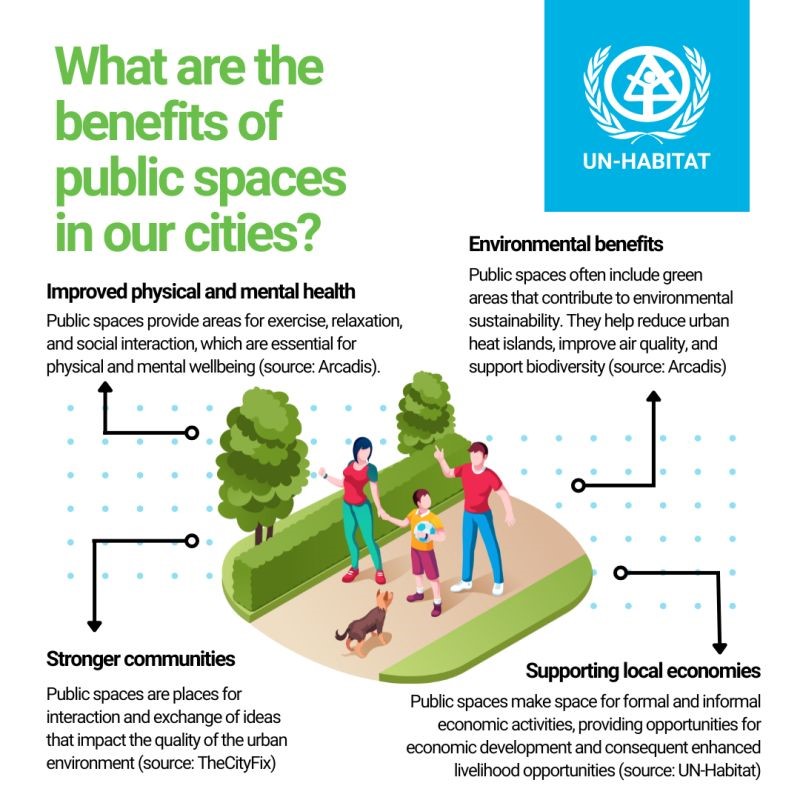
Green spaces support wellbeing, provide habitats and can help cities cope with heat and heavy rainfall. Residents can make a difference by caring for shared gardens, planting suitable flowers or herbs, and supporting local parks and tree-planting projects.
Even a balcony or windowsill can provide space for plants. When choosing what to grow, consider local conditions and favour species that support pollinators. Community gardens are another way to share skills, space and produce with neighbours.
Build stronger local communities
Sustainability is not only about individual consumption. Neighbourhoods become more resilient when people have places to meet, share resources and take part in local decisions. Tool libraries, repair cafés, community food projects and residents’ groups can help make sustainable choices more accessible.
Getting involved can be as simple as attending a local meeting, volunteering for a clean-up or asking for improvements such as safer crossings, better cycling facilities or more accessible public spaces. Collective action can achieve changes that individual habits cannot.
Make sustainable choices practical
There is no need to change everything at once. Start with one or two actions that are manageable, such as taking public transport for a regular journey or reducing food waste at home. A practical routine is more likely to last than an ambitious plan that is difficult to maintain.
Seneca’s writing can be read as an invitation to examine how we use our time and resources. Applied to city life, that means looking beyond convenience and considering what helps people and places thrive in the long term. Sustainable urban living is built through everyday decisions, supported by fairer services, thoughtful planning and a shared commitment to healthier, more liveable cities.
9 Essential Strategies for Sustainable Urban Living
- Walk, cycle or use public transport for everyday journeys.
- Choose energy-efficient appliances and switch off unused devices.
- Reduce heating demand with insulation and draught-proofing.
- Carry reusable bags, bottles and coffee cups.
- Buy seasonal food from local markets where possible.
- Eat more plant-based meals and waste less food.
- Sort recycling and compost suitable food scraps.
- Save water with shorter showers and leak-free taps.
- Support local green spaces and community projects.
Walk, cycle or use public transport for everyday journeys.
For everyday journeys, consider walking, cycling or taking public transport instead of driving. These options can reduce traffic, air pollution and carbon emissions, while walking and cycling also add gentle activity to your day. Planning your route in advance, using a cycle hire scheme or combining public transport with a short walk can make greener travel convenient and practical.
Choose energy-efficient appliances and switch off unused devices.
Choose energy-efficient appliances to reduce the electricity needed for everyday tasks and help lower your energy bills. Check the energy label when replacing items such as fridges, washing machines or kettles, and choose a model that suits your household’s needs. Remember to switch off lights and devices when they are not in use, rather than leaving them on standby where practical. Small habits, repeated consistently, can make a meaningful contribution to more sustainable urban living.
Reduce heating demand with insulation and draught-proofing.
Reducing heating demand is one of the most effective ways to make a home more sustainable. Good insulation helps keep warmth inside during colder months, while draught-proofing around doors and windows prevents heat from escaping. Together, these measures can lower energy use and heating bills, improve comfort and reduce emissions. Start by checking for gaps and cold spots, then consider affordable fixes such as draught excluders or sealing strips; for larger improvements, seek professional advice or ask your landlord about upgrades.
Carry reusable bags, bottles and coffee cups.
Carry reusable bags, bottles and coffee cups to cut down on single-use packaging when shopping or grabbing a drink. Keep them somewhere handy—such as by the front door or in your everyday bag—so they’re easy to remember. Reusing what you already own is a simple, practical way to reduce waste and make everyday city life more sustainable.
Buy seasonal food from local markets where possible.
Buying seasonal food from local markets, where possible, is a simple way to make urban living more sustainable. Seasonal produce often needs less energy-intensive storage and can travel shorter distances, while shopping locally helps support nearby growers and independent traders. It can also introduce you to fresh ingredients at their best. Availability and prices vary, so choose what suits your budget and make the most of seasonal produce when it is convenient.
Eat more plant-based meals and waste less food.
Eating more plant-based meals and wasting less food can make urban living more sustainable. Try adding beans, lentils, vegetables and wholegrains to meals, and plan your shopping around what you already have at home. Storing food properly, using leftovers and freezing extra portions can help prevent edible food from going to waste, saving money as well as resources.
Sort recycling and compost suitable food scraps.
Sort recycling and compost suitable food scraps to reduce the amount of waste sent to landfill and make better use of valuable materials. Check your local council’s guidance, as accepted recycling and compostable items can vary. Rinse containers where needed, keep food waste separate from recycling, and compost fruit and vegetable peelings, coffee grounds and other approved scraps. A small, consistent habit can help keep neighbourhoods cleaner and support a more sustainable city.
Save water with shorter showers and leak-free taps.
Save water by keeping showers short and turning off the tap when it is not needed. A dripping tap or leaking pipe can waste a surprising amount over time, so repair leaks promptly or report them to your landlord or building manager. These simple habits conserve a shared resource and may also help reduce household water and heating bills.
Support local green spaces and community projects.
Support local green spaces and community projects by volunteering in a community garden, joining a neighbourhood clean-up or helping care for a local park. These shared spaces offer room for nature to thrive, bring neighbours together and make urban areas more pleasant and resilient. Even small contributions—such as planting flowers for pollinators or supporting a local environmental group—can help create greener, healthier communities.